Edition 163
November 20, 2026
From reaching Mercury to a "cure" for cancer & saving ecosystems, this edition brims with groundbreaking achievements!
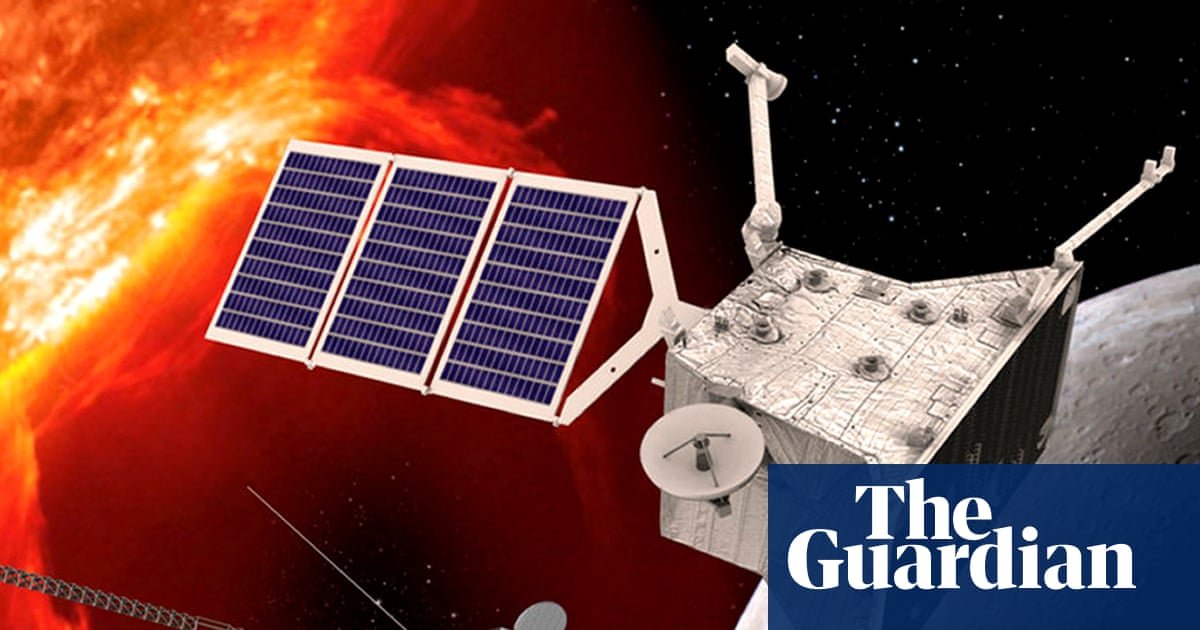
Spacecraft reaches Mercury on second-ever mission to enter its orbit
After an 8-year journey, the BepiColombo spacecraft has arrived at Mercury, preparing to orbit and unlock the secrets of this extreme, under-explored planet. Scientists are eager to study its formation, magnetic field, and icy craters, expecting groundbreaking discoveries.
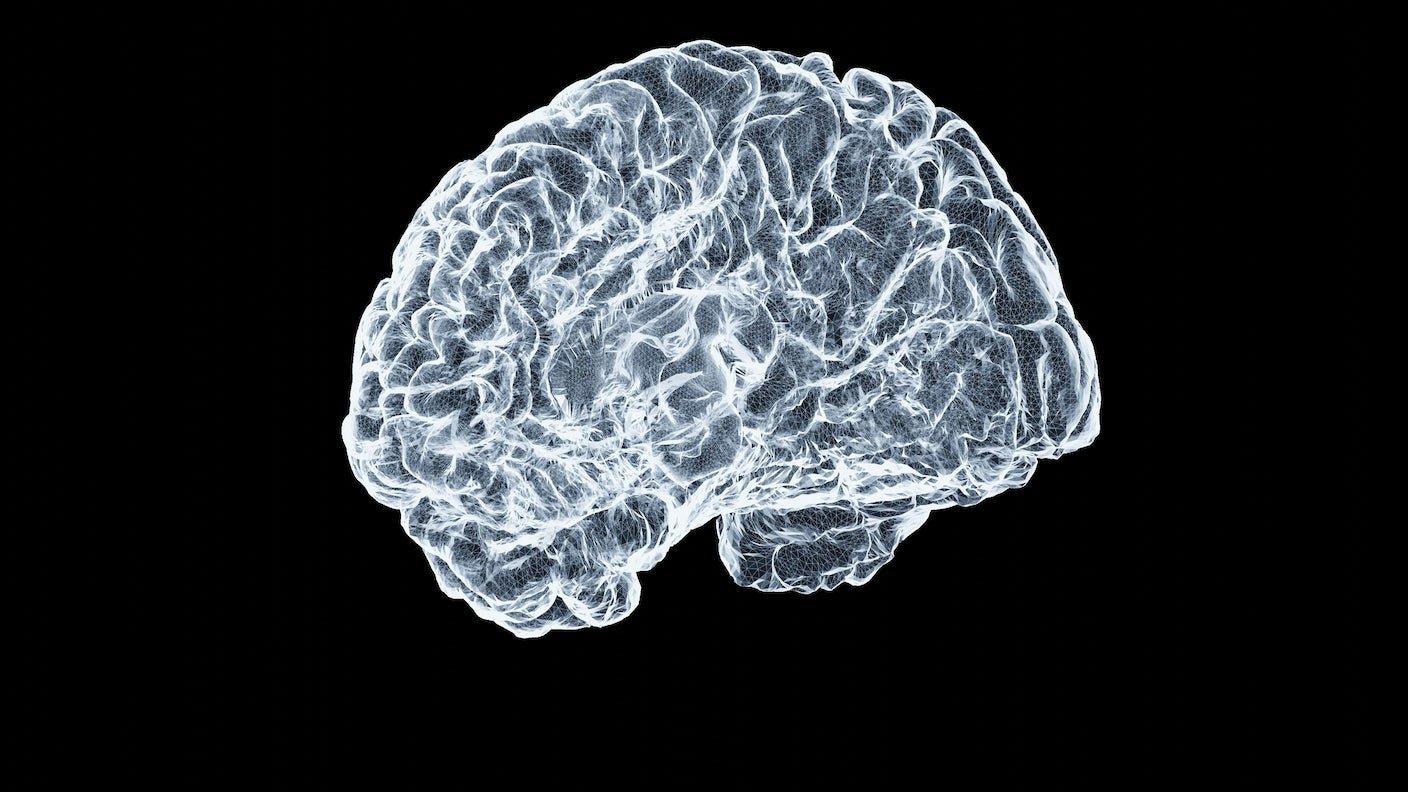
Novel Gene Therapy Nearly Erases ‘Drug Resistant’ Seizures
A groundbreaking gene therapy drastically reduced severe seizures in a small trial. This new approach uses a "dimmer switch" protein to control brain activity, offering hope for those unresponsive to medication.

New pancreatic cancer drug hailed as ‘closest thing to a cure’
A new drug combined with chemotherapy has shown unprecedented results in advanced pancreatic cancer trials. Tumors disappeared in some patients, offering "the closest to cure" seen for this disease.
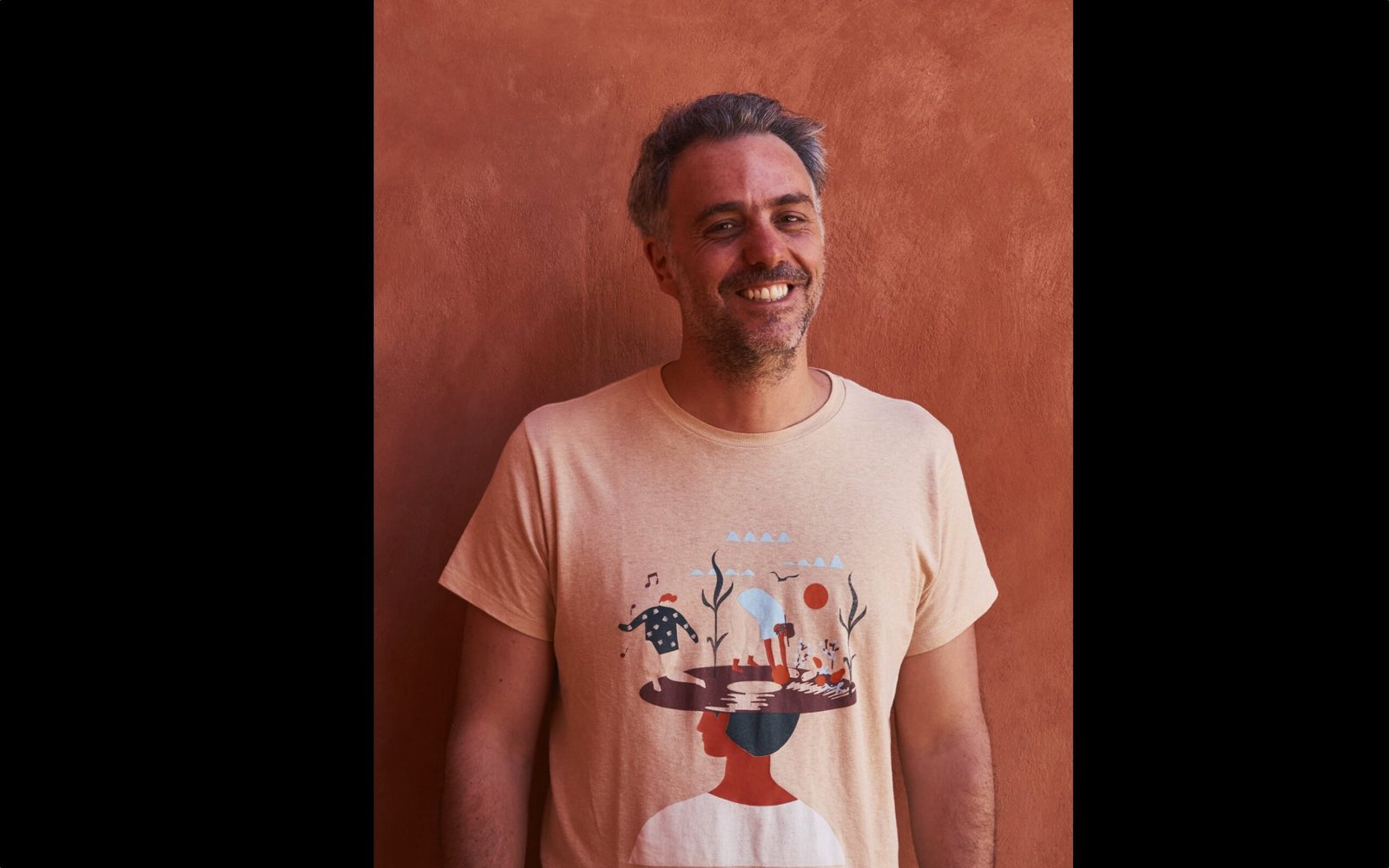
Lucio Usobiaga wins 2026 ‘Nobel Prize of Gastronomy’ for protecting Mexico’s chinampas ecosystem
Chef Lucio Usobiaga wins prestigious culinary award for his work preserving Mexico's ancient chinampa farming system. His project connects farmers and chefs, saving vital ecosystems and unique flavors.
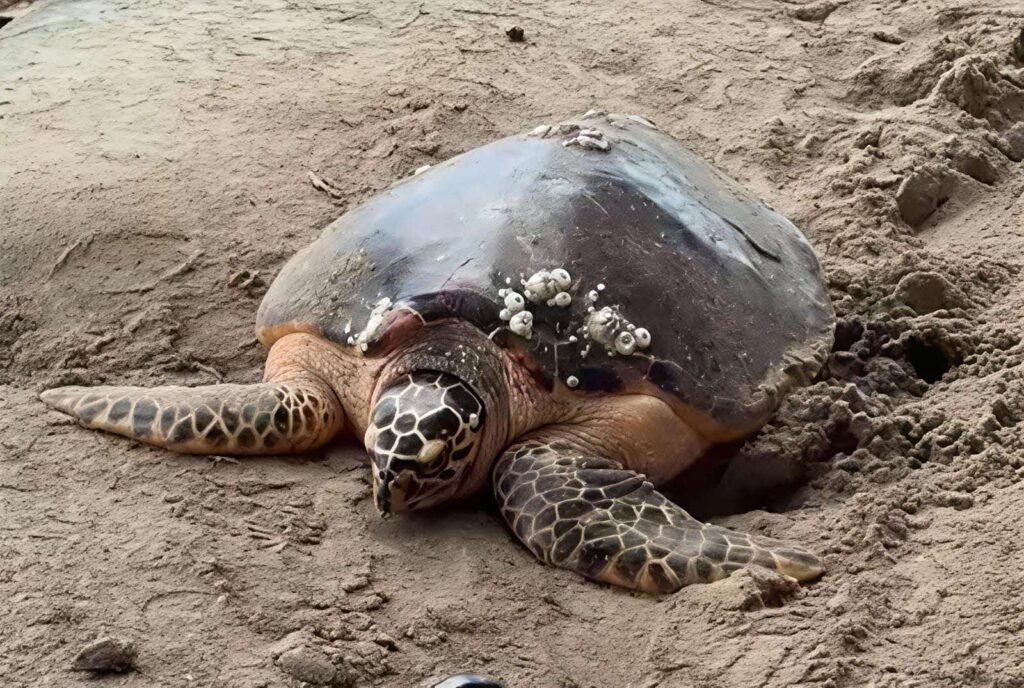
Singapore’s Southern Islands and the Strait of Sicily and Tunisian Plateau Named Mission Blue Hope Spots®
Singapore's Southern Islands and the Strait of Sicily & Tunisian Plateau are now recognized as crucial marine Hope Spots. These areas highlight successful conservation efforts and the vital importance of protecting biodiversity in busy maritime regions.