Edition 164
November 23, 2026
From world records and wildlife corridors to medical marvels and soundscapes, this edition celebrates incredible human spirit and innovation.
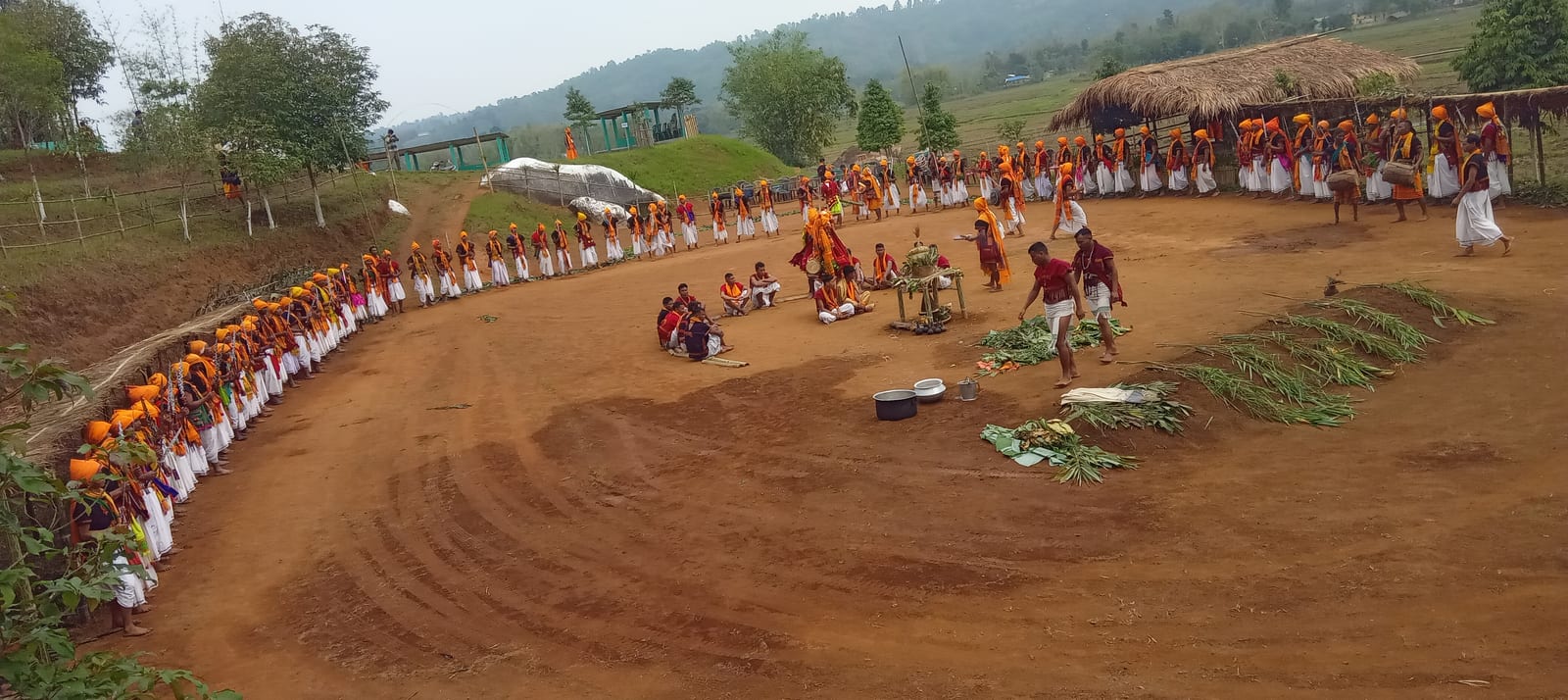
15,000+ Dancers Set a Guinness World Record in Assam
Over 15,000 dancers set a Guinness World Record in Assam, India, for the largest folk dance performance. This massive synchronized event celebrated the cultural diversity of 17 different communities.
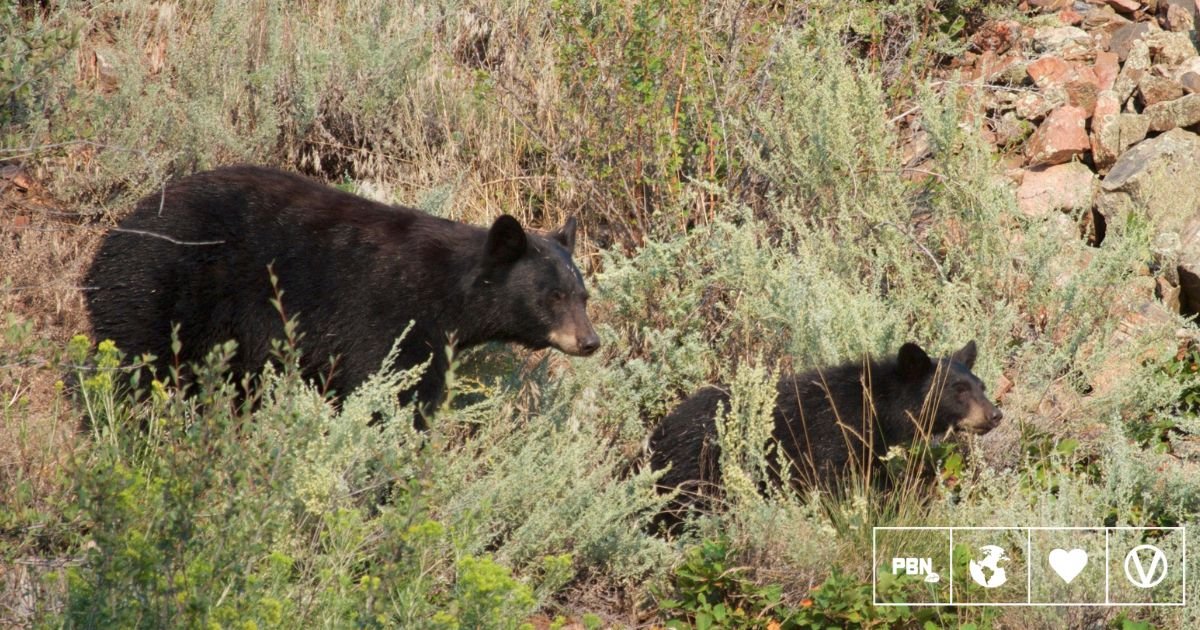
Colorado’s Huge Wildlife Overpass Has Cut Collisions By 91% In 10 Months
Colorado's massive wildlife overpass has dramatically reduced animal-vehicle collisions by 91% in less than a year. This groundbreaking structure is already helping diverse species safely traverse a busy interstate, a win for both wildlife and drivers.
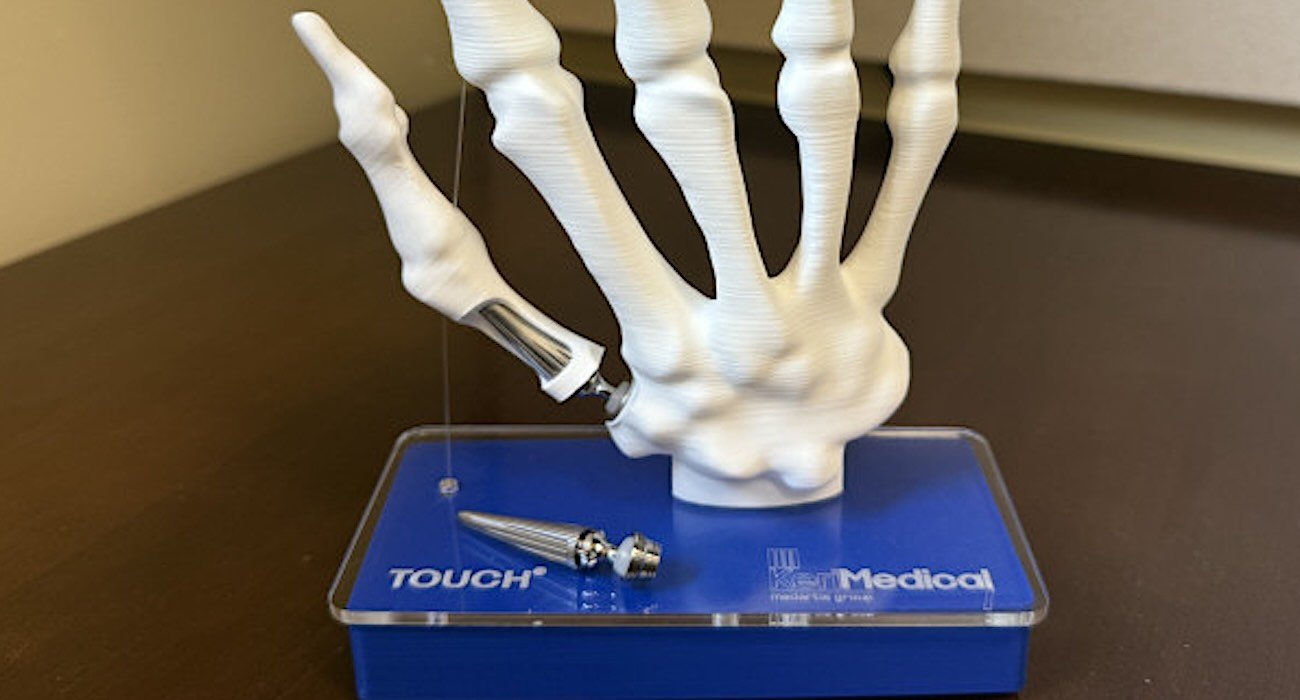
New Method Treats Severe Thumb Arthritis With Joint Replacement
A new "mini hip replacement" for the thumb is restoring function and reducing pain for arthritis sufferers. This innovative implant allows for quicker recovery and greater mobility without bone removal.
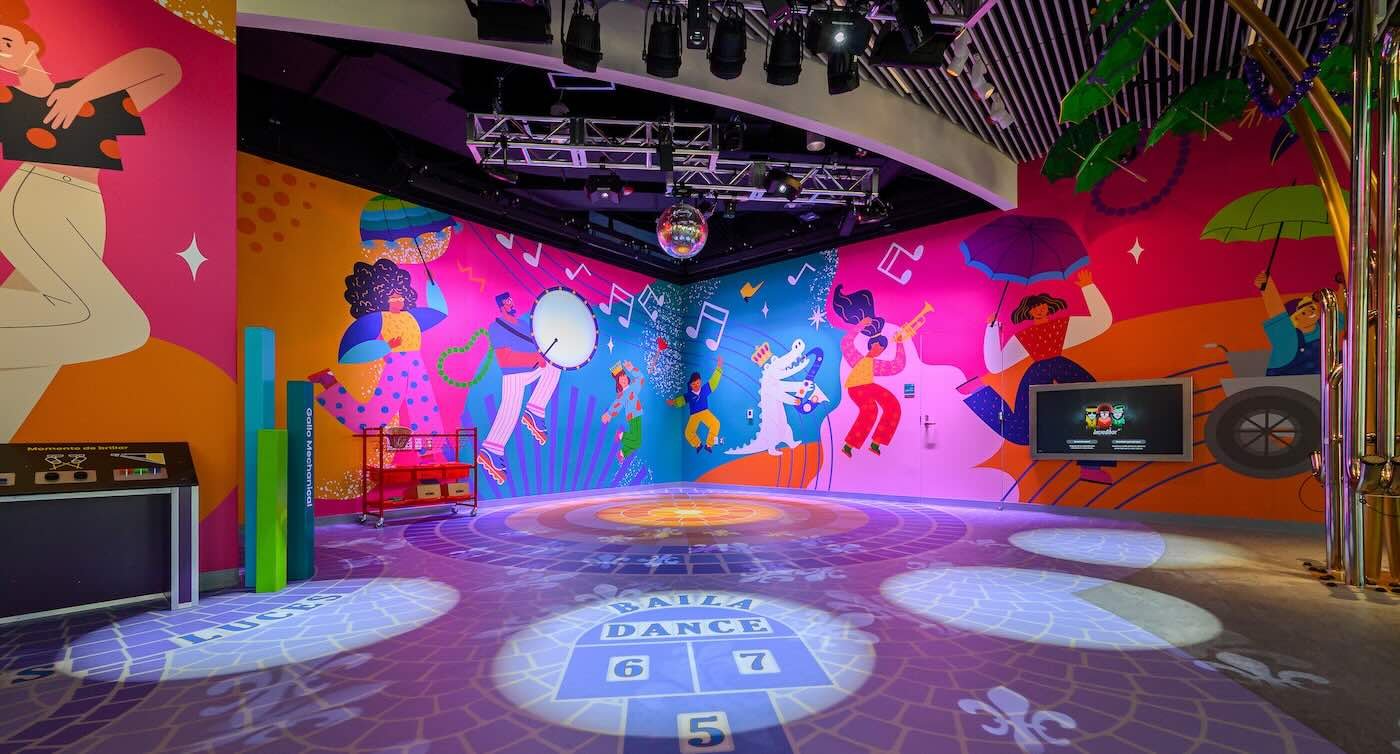
World’s First Museum Built in a Children’s Hospital Fulfills Dying Boy’s Wish For Playtime During Chemo
A hospital now boasts the world's first museum, a vibrant space designed to bring joy and distraction to young patients. Inspired by a boy's dying wish, this interactive Imaginarium offers magical escapes through art, movement, and play.
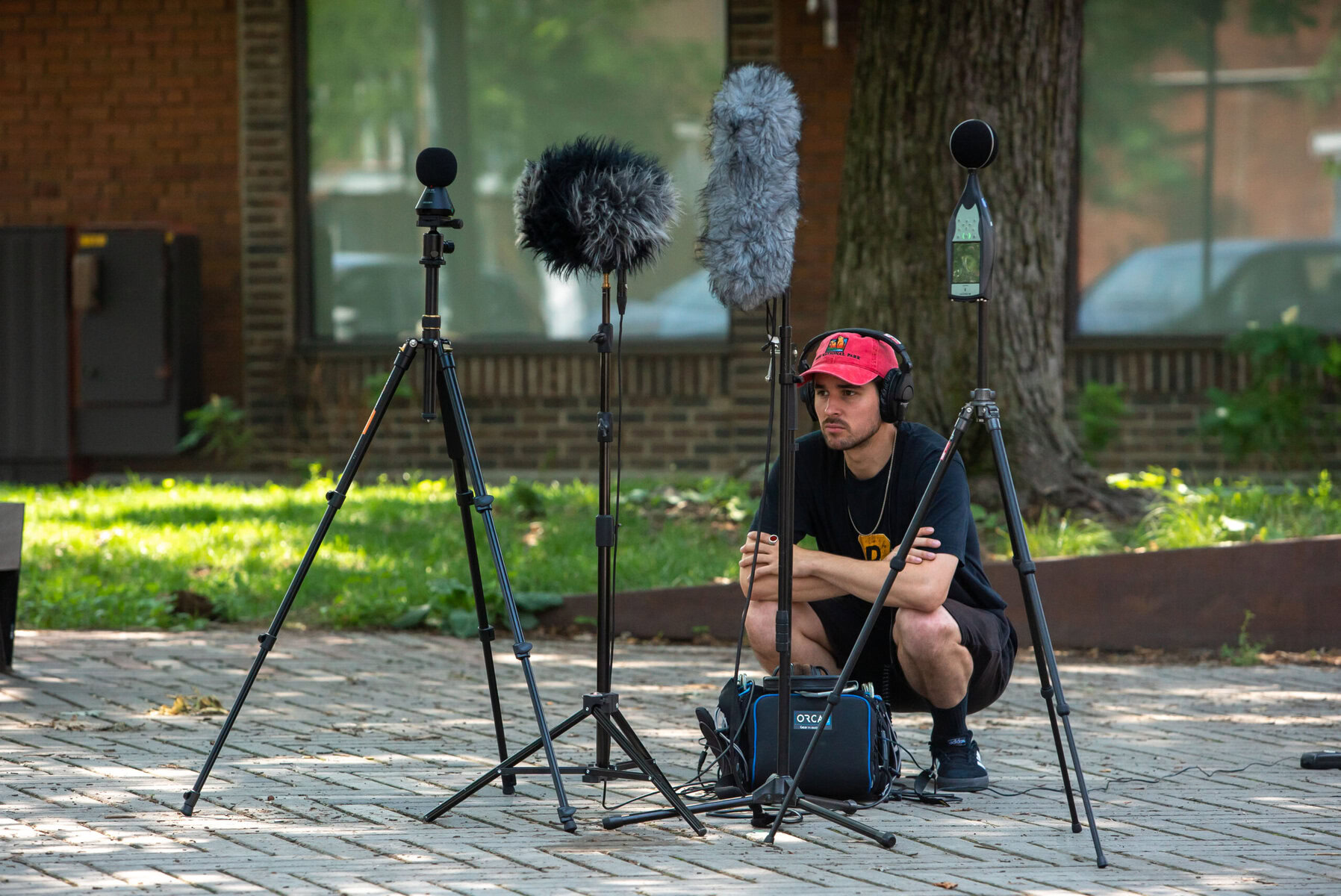
Montreal Is Harnessing Soothing Ocean Sounds to Combat Traffic Noise
Montreal is using ocean sounds to transform a noisy park into a tranquil escape. This innovative "soundscaping" project aims to improve urban living and honor community heritage.