Edition 114
September 14, 2026
From industrial revival to thriving wildlife, discover inspiring stories of nature and innovation in this edition!
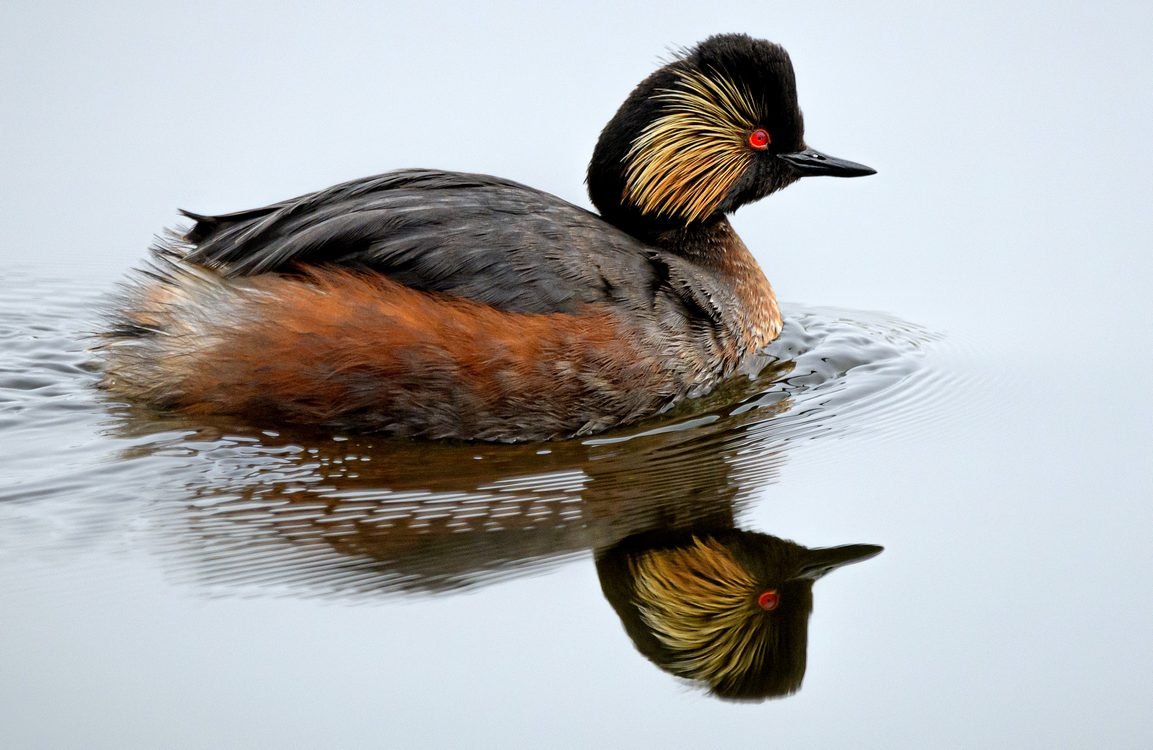
Former Industrial Ground Goes from Dump to Diversity and Hosts 64% of UK’s Black-Necked Grebes
Once a dumping ground, Woolston Eyes Nature Reserve now thrives, hosting two-thirds of the UK's black-necked grebes. This remarkable transformation showcases nature's resilience and the power of dedicated conservation efforts.
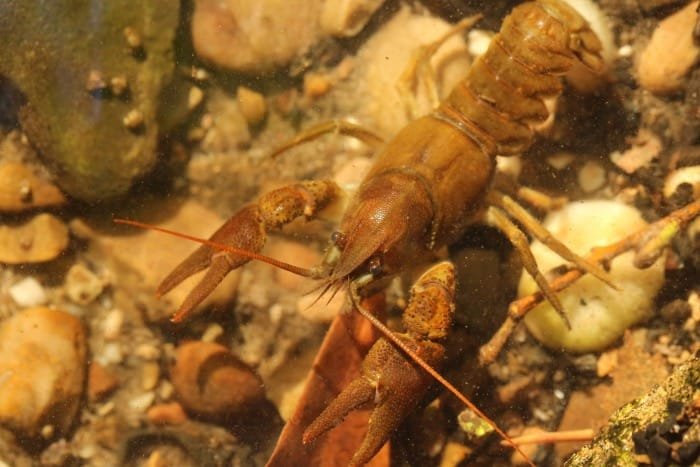
Rare white-clawed crayfish given lifeline in major conservation effort
England's native white-clawed crayfish is getting a major conservation boost from 40 organizations aiming to bring this endangered species back from the brink. This new program will focus on breeding, protecting from invasive species, and researching genetic resilience for the crayfish's future.
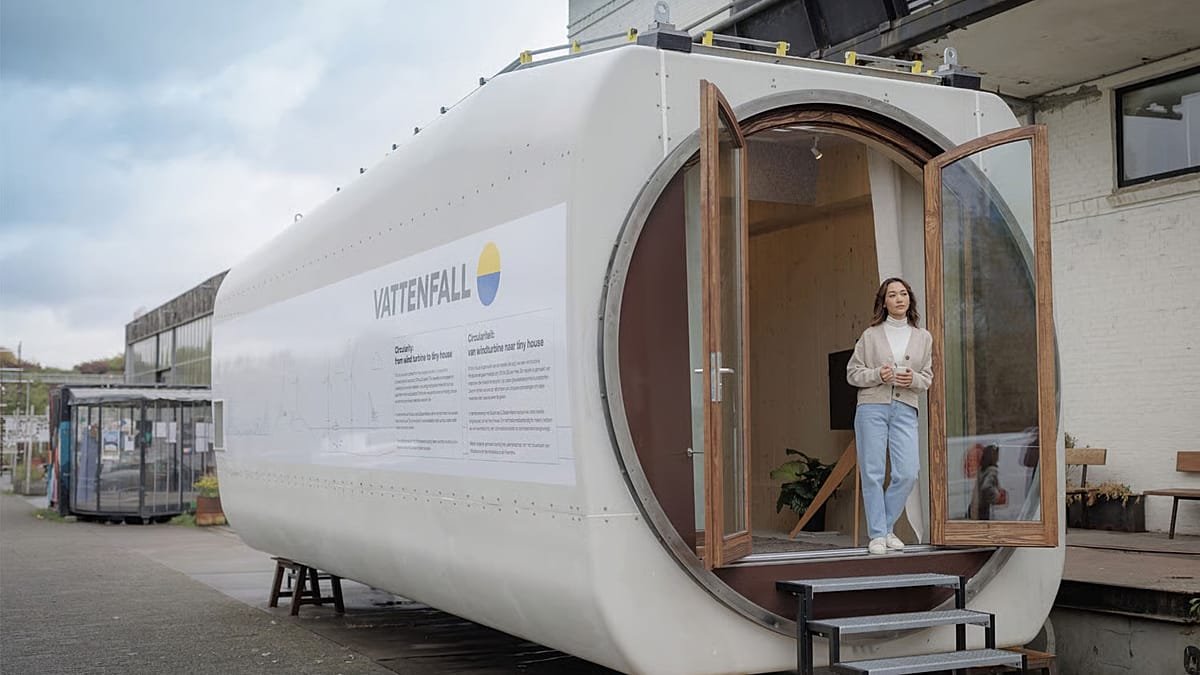
Retired wind turbines are turning into tiny homes and alpine skis
Retired wind turbine parts are getting a second life as cozy tiny homes and durable alpine skis. Innovative companies are transforming decommissioned blades and nacelles into sustainable building materials and recreational gear.
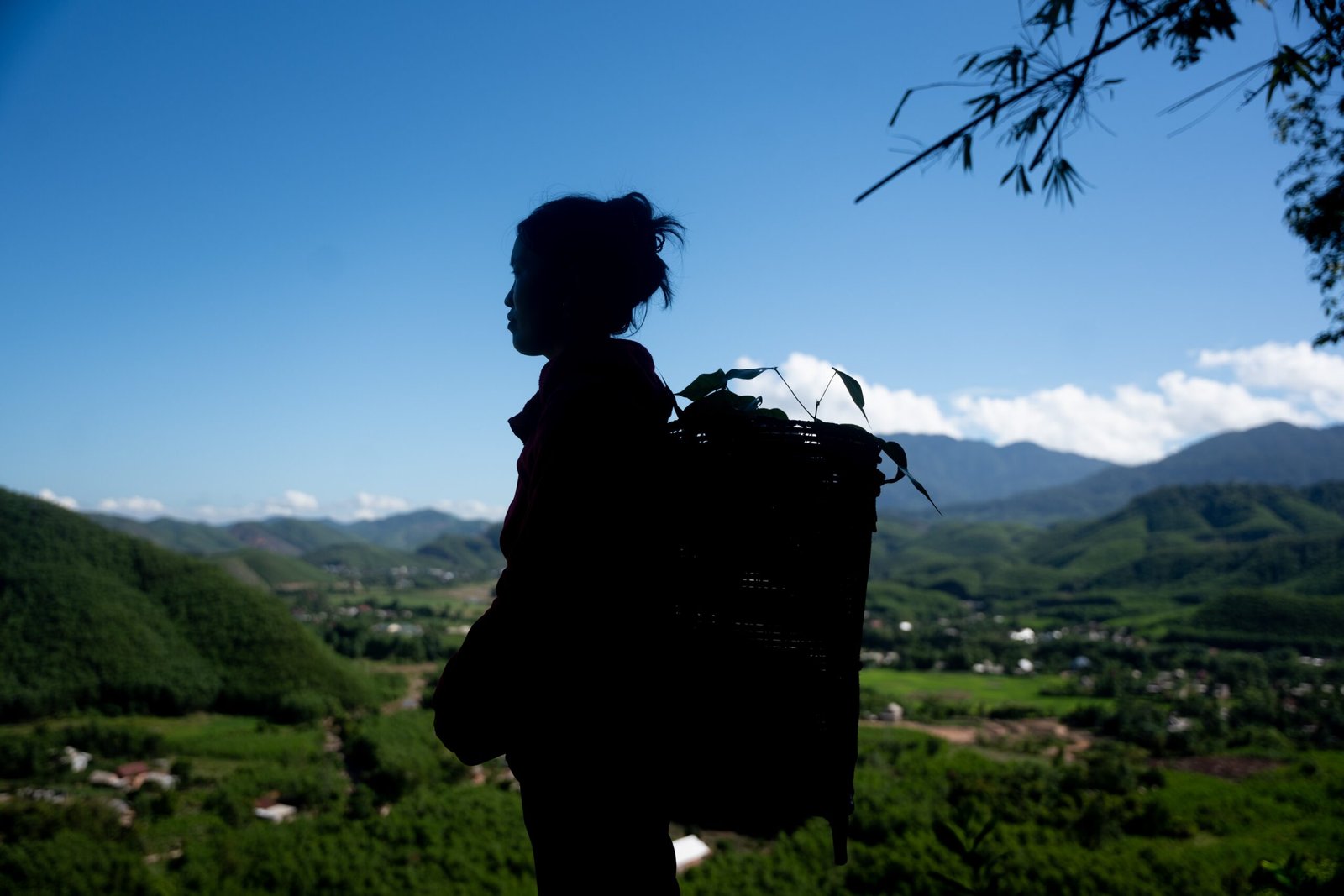
Biodiversity corridor payments boost household incomes in Vietnam’s Annamite mountains
Biodiversity corridors in Vietnam are boosting household incomes! Payments tied to conservation efforts are helping communities thrive while protecting vital habitats.
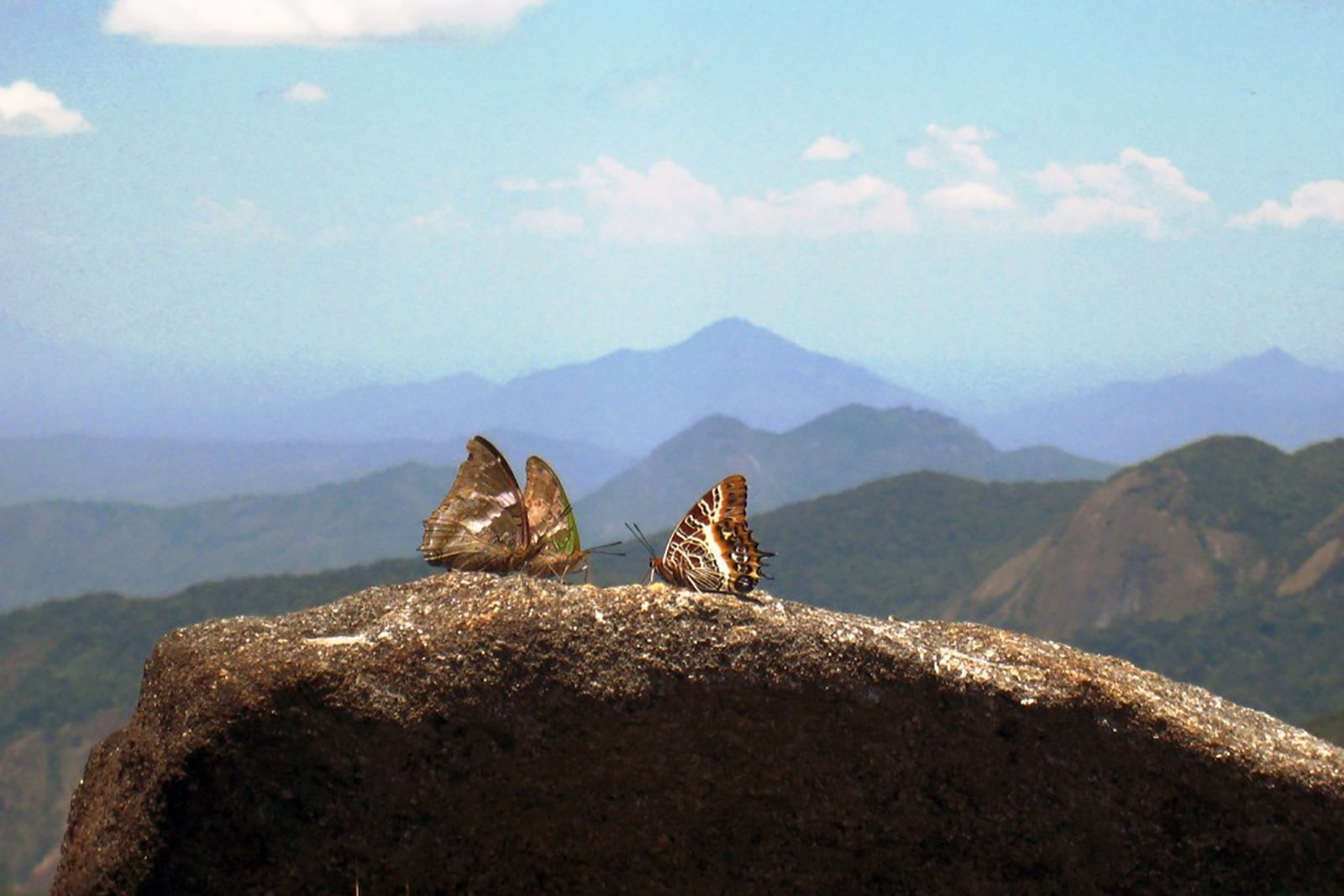
Mozambique protects Mount Mabu ‘butterfly forest’
Mozambique officially protects Mount Mabu, a "butterfly forest" rich in unique wildlife and home to over 200 butterfly species. This move recognizes and empowers local communities who have long safeguarded this vital ecosystem.