Edition 134
October 12, 2026
Hear the forests, fix economies, fund charities, and decode life's secrets in this inspiring edition!
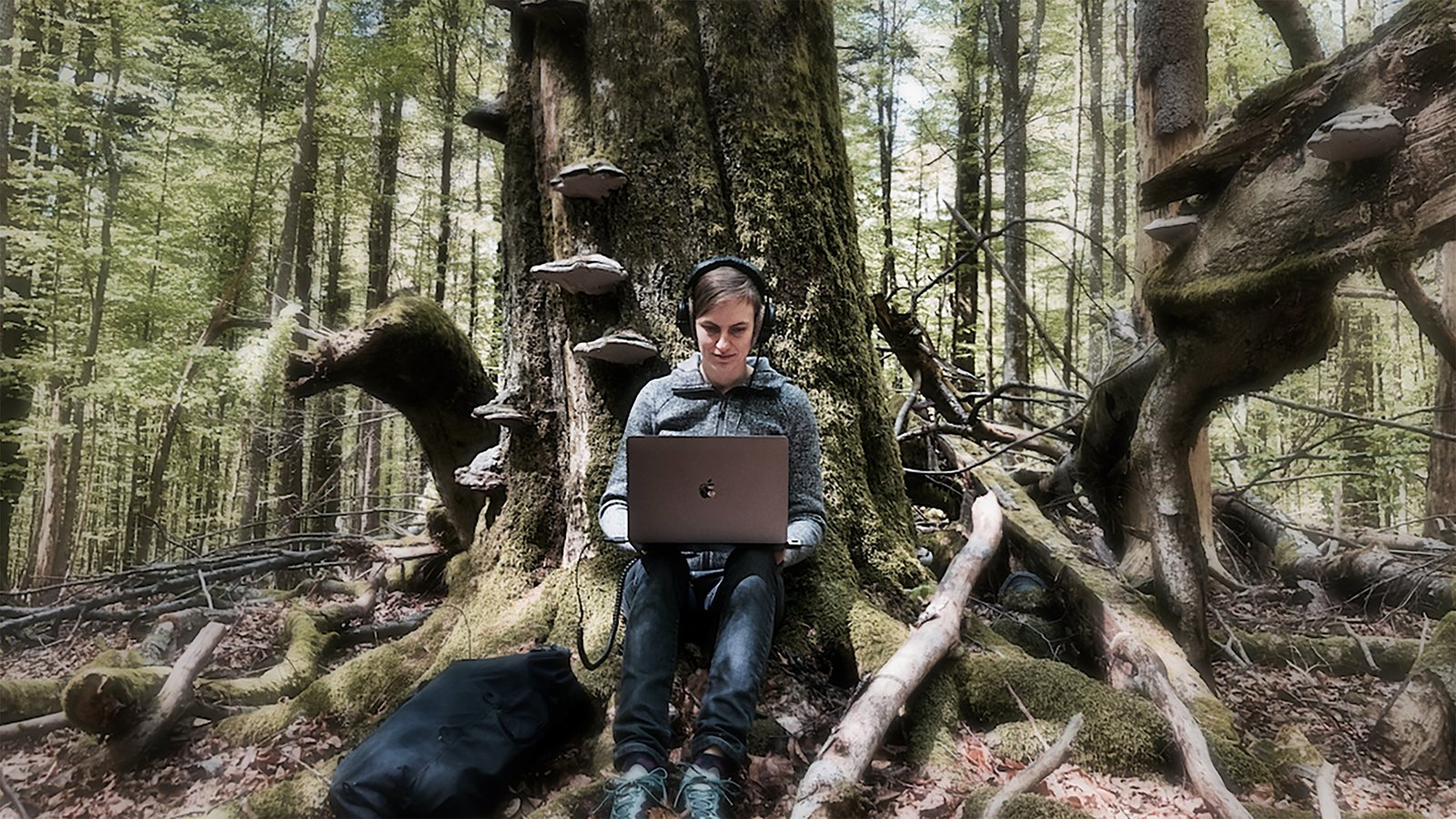
Researcher who listens to forests wins 2026 Pritzker Environmental Genius Award
Tropical forest ecologist Zuzana Burivalova wins the Pritzker Environmental Genius Award for her innovative work using sound to monitor forest health. She plans to use the prize money to expand her global soundscape monitoring projects and collaborate with more local communities.
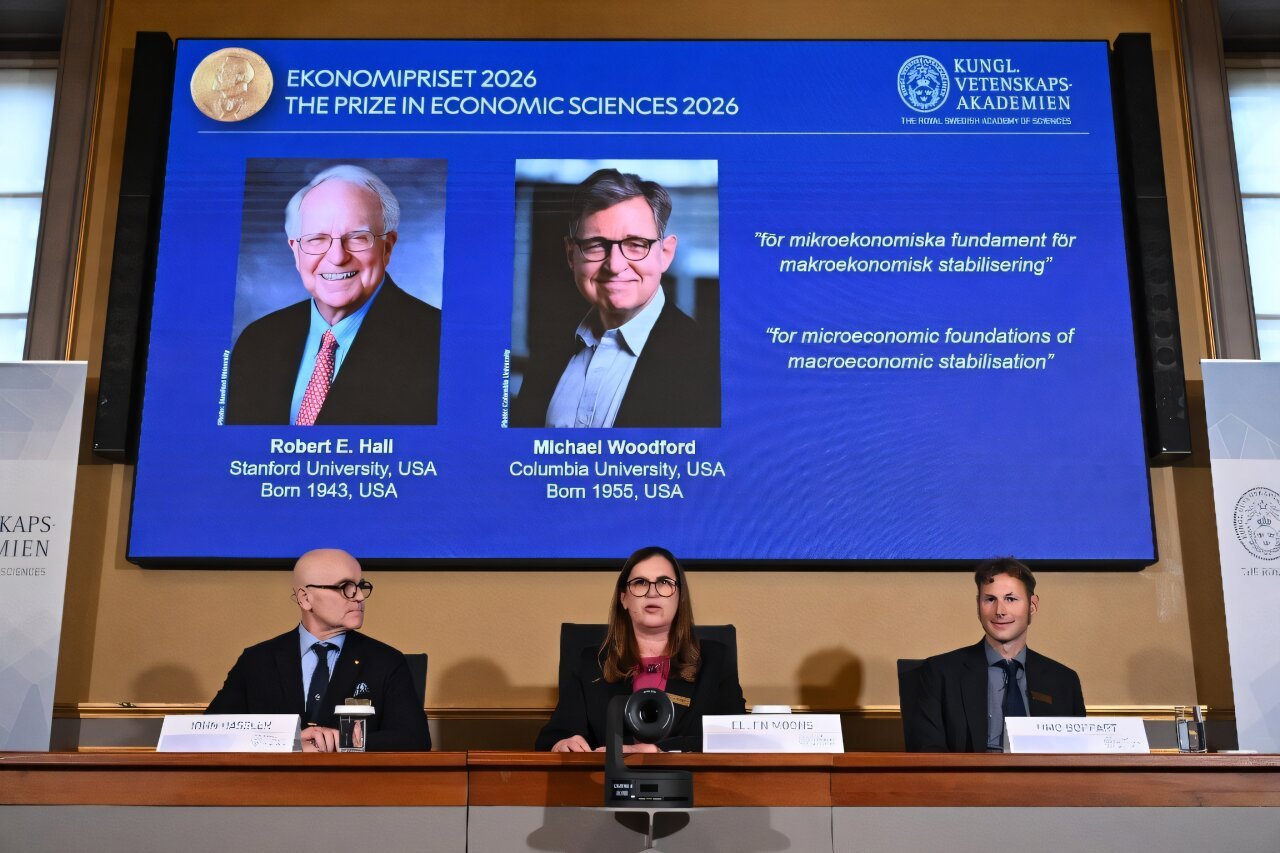
Americans Hall and Woodford win economics Nobel for stabilization models
Americans Hall and Woodford win Nobel for groundbreaking economic models. Their work helps stabilize economies during crises, guiding global policy.

Teen’s Wish to Return Kindness She Received Sees Her Lemonade Stand Become $5 Million Charity Engine
A teen's lemonade stand, inspired by a childhood gift, has grown into a charity engine raising $5 million for kids in need. What started with toys for hospital patients now provides essential items like food, clothing, and school supplies.

In Ecuador, Indigenous youth turn to rap music to defend the Amazon
Indigenous youth in Ecuador are using rap music to powerfully defend the Amazon, sharing ancestral knowledge and raising global awareness of threats to their lands. These artists blend traditional culture with urban beats to fight for their territories and cultural survival.

Scientists accidentally discover a genetic code that breaks the rules of life
Scientists accidentally found a microscopic organism that rewrites the rules of life's genetic code! It uses "stop" signals to build proteins, defying what we thought was universal.