Edition 65
July 15, 2026
Discover breakthroughs in cancer detection, ancient DNA, lost epics, borderless travel, and a roaring new monkey species!
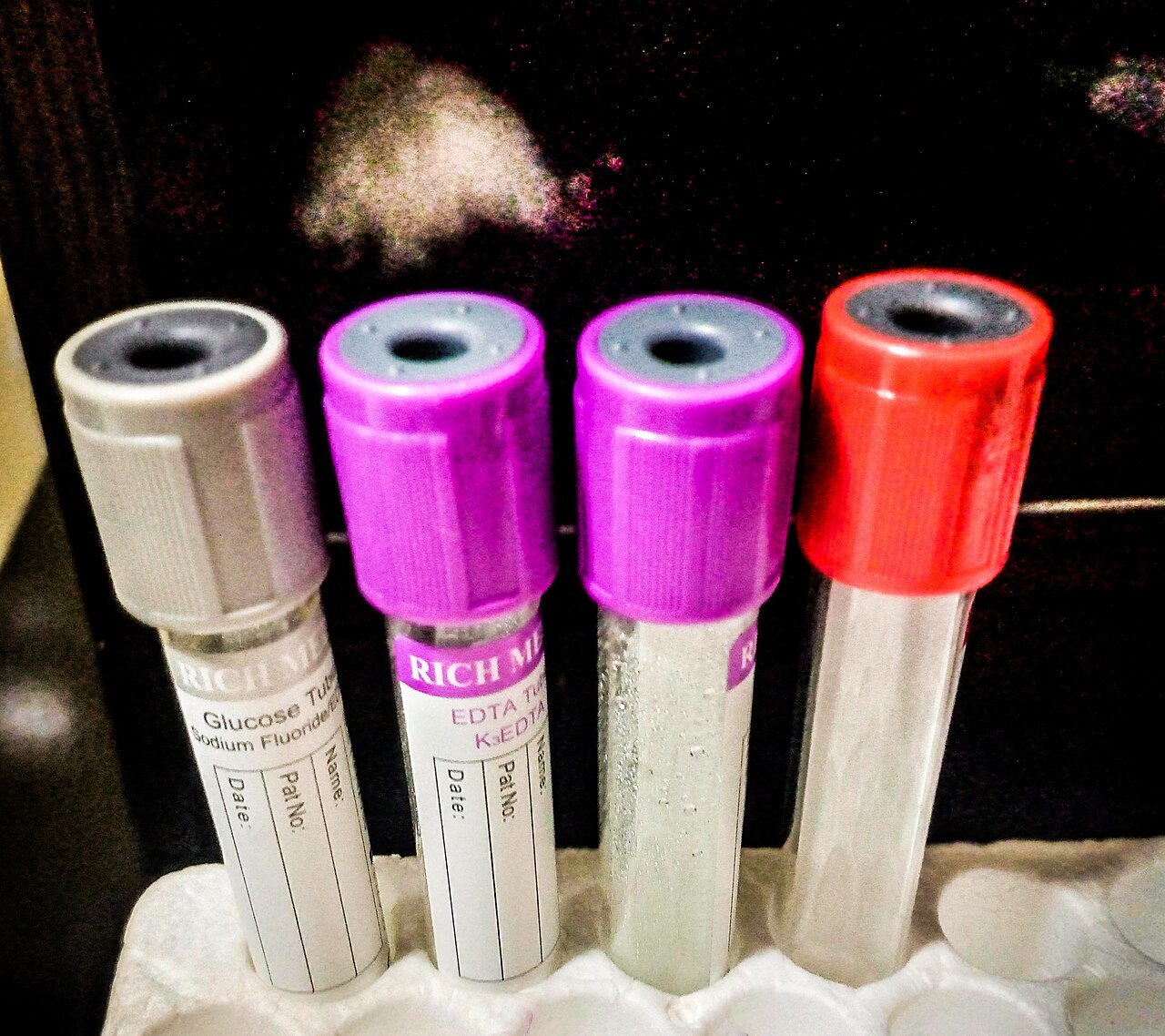
New Blood Test Detects Womb Cancer With 99% Accuracy
Revolutionary blood test detects womb cancer with 99% accuracy using AI. This breakthrough could spare thousands of women invasive ultrasounds.
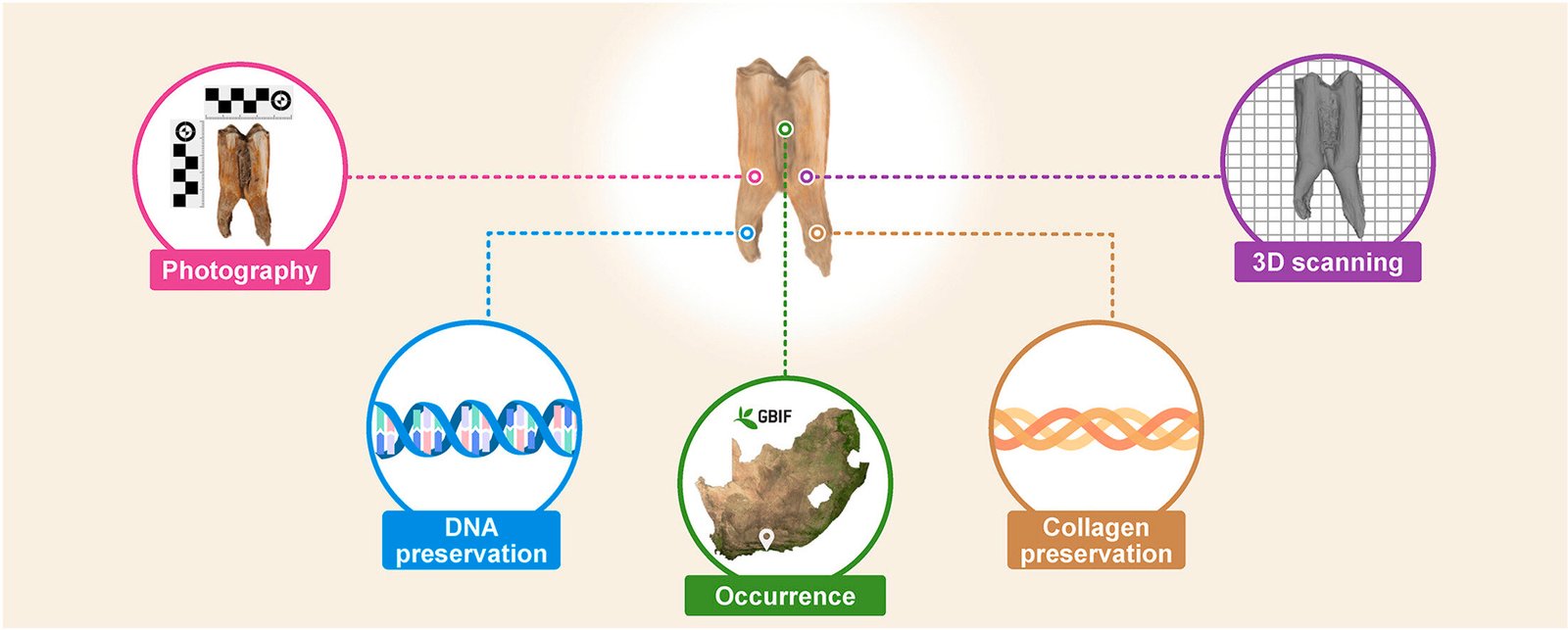
Scientists recover sub-Saharan Africa's oldest ancient animal DNA
Scientists just extracted sub-Saharan Africa's oldest ancient animal DNA, dating back 50,000 years! This breakthrough proves viable DNA recovery is possible even in warmer climates.
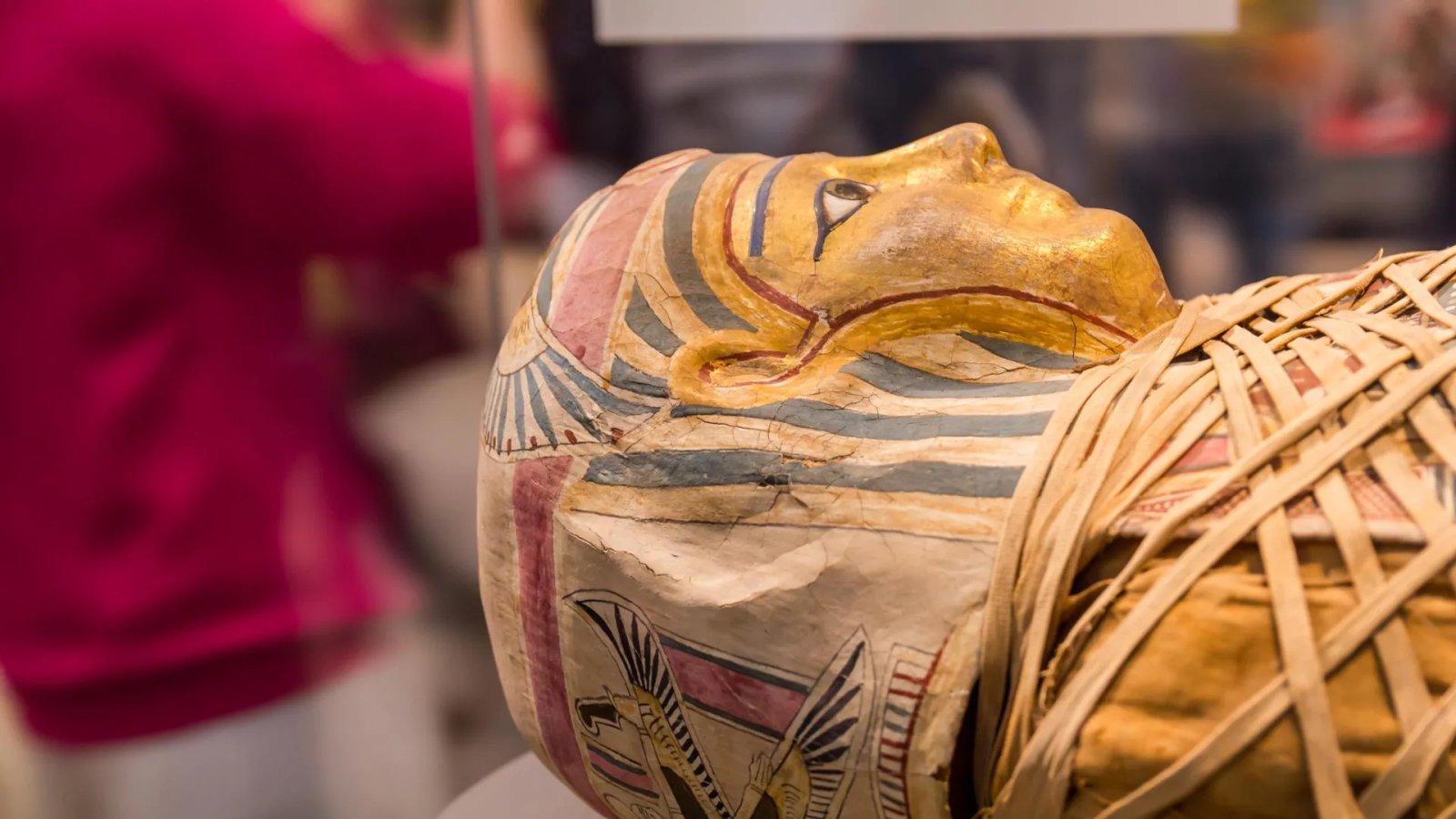
Archaeologists found Homer's Iliad inside a 1,600-year-old Egyptian mummy
Ancient Egyptian mummy found with Homer's Iliad papyrus inside! This groundbreaking discovery marks the first time a literary work was intentionally used in mummification.

Border controls scrapped between Spain and Gibraltar after 300 years
Long-standing border controls between Spain and Gibraltar have been dismantled, easing travel for thousands after a new treaty was signed. This marks a significant step towards freer movement and renewed cooperation between the two territories.
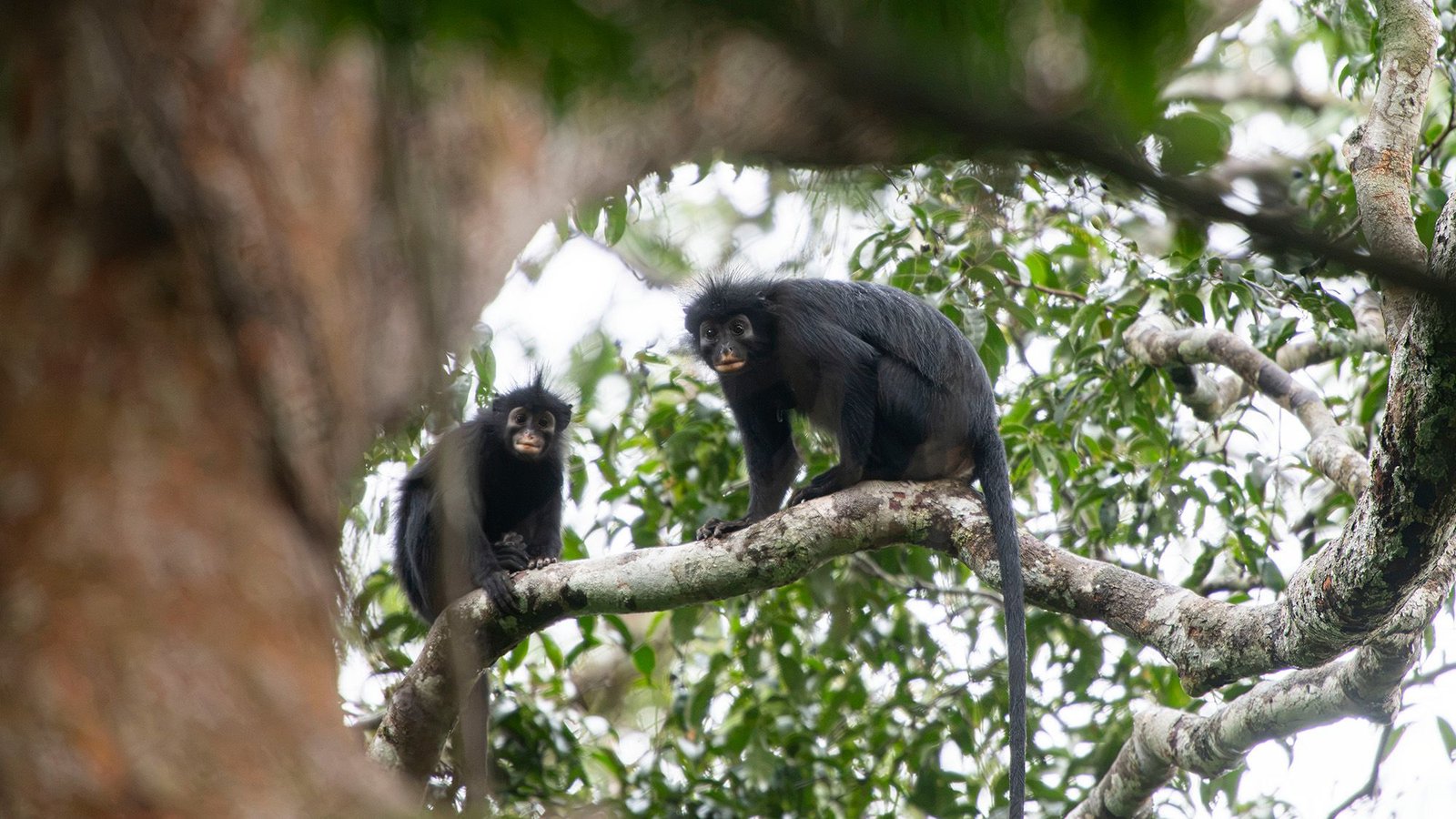
Orange-lipped monkey that roars and snorts deep in Congo rainforest is new species to science
New species alert! 🐒 Meet the "likweli," an orange-lipped monkey with a roar found deep in the Congo rainforest. This is Africa's fifth new monkey discovery in 75 years!