Edition 120
September 22, 2026
From groundbreaking science to inspiring conservation, this edition is full of exciting discoveries and world-changing innovations!
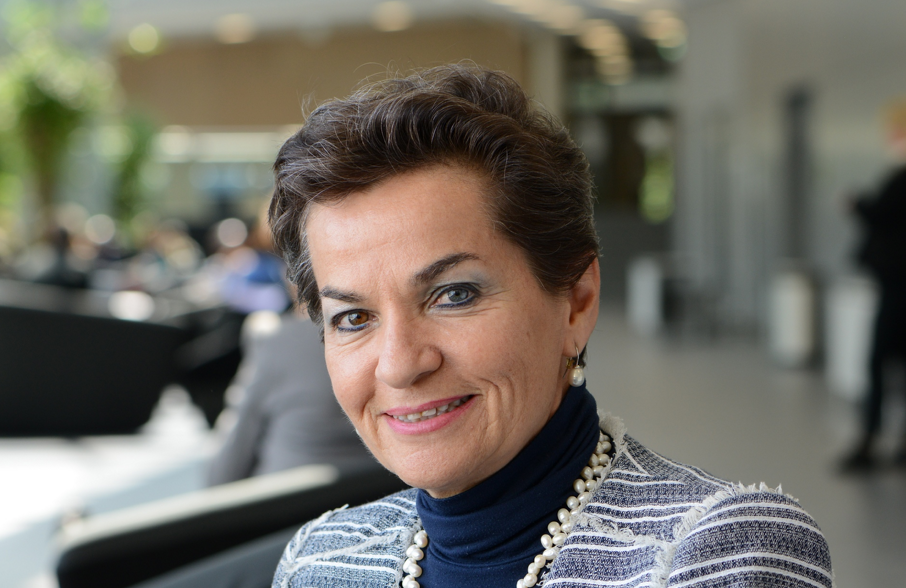
Christiana Figueres Named First Recipient of the Inaugural Jane Goodall Earth Medal
Christiana Figueres, architect of the Paris climate agreement, receives the inaugural Jane Goodall Earth Medal for her leadership in conservation and combating climate change. The award celebrates those uniting science, courage, and responsibility, honoring Goodall's legacy of environmental hope and action.
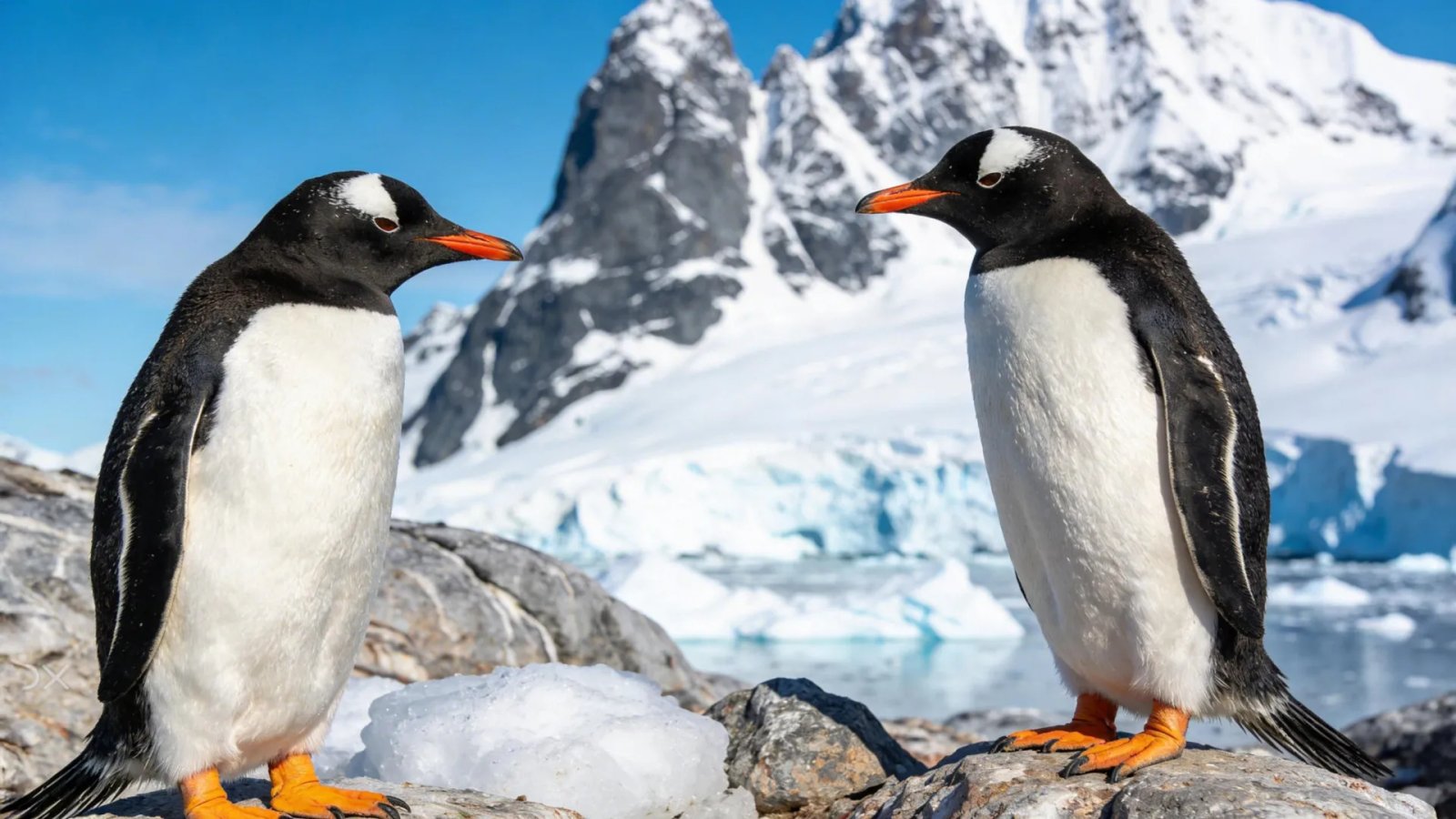
Scientists discover first new penguin species in more than 100 years
First new penguin species in over 100 years discovered! Genetic evidence reveals four distinct gentoo penguin species, with one newly identified on remote islands.
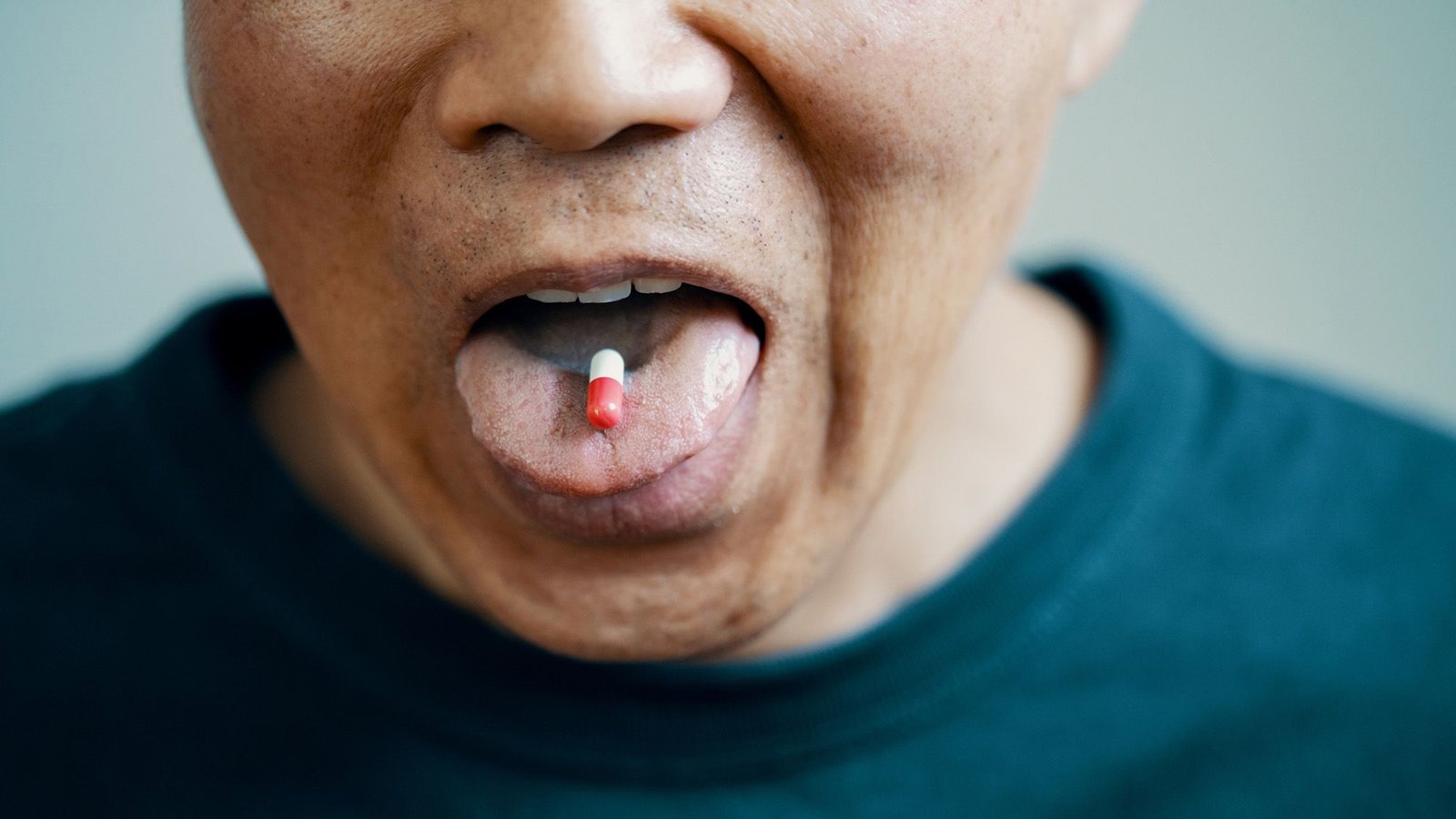
Scientists made a paper battery you can swallow to power internal medical devices
Swallowable paper batteries are here! They power internal medical devices for days and then safely dissolve, eliminating the need for surgical removal.
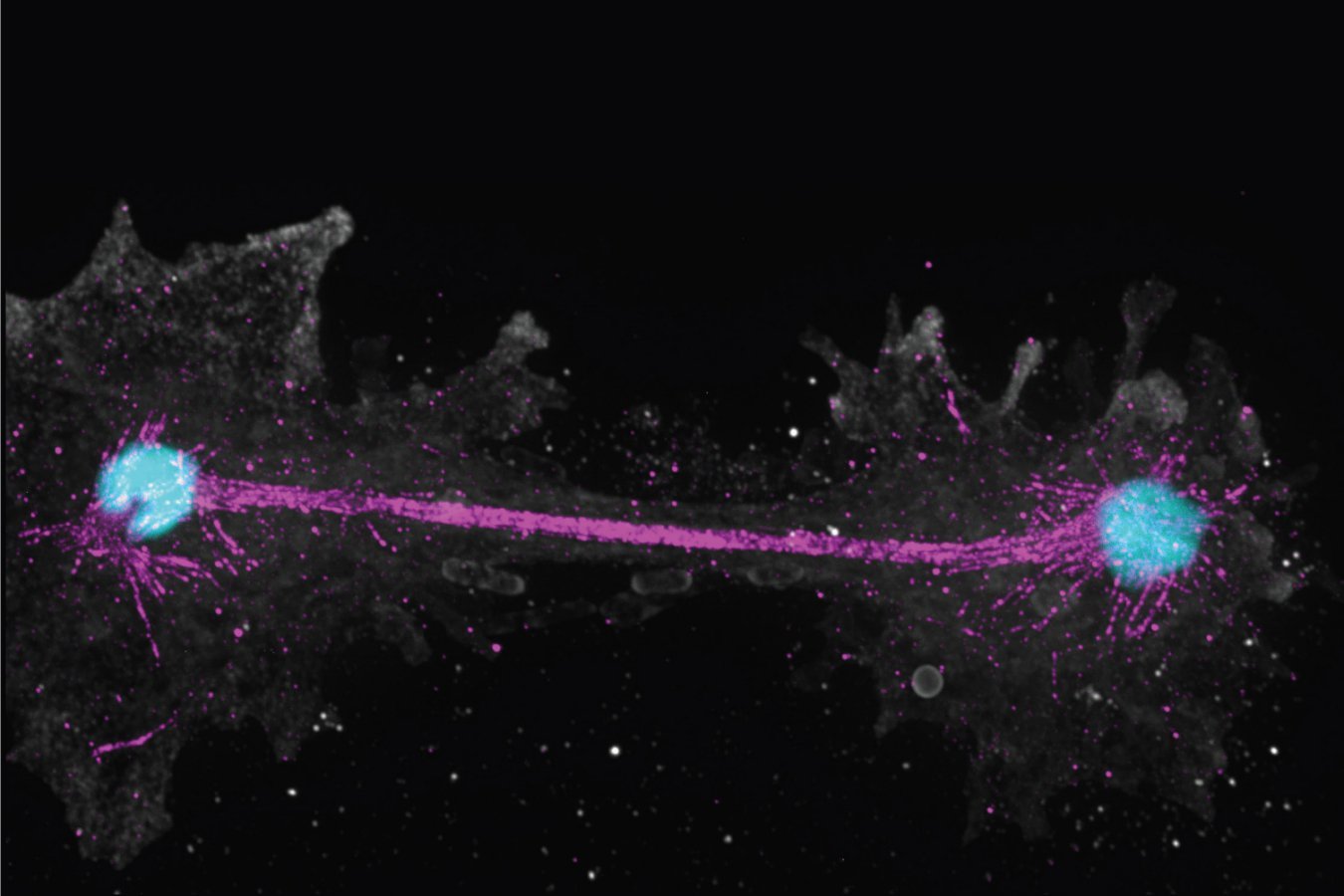
Fire amoeba breaks heat tolerance record for complex life
Meet the "fire amoeba," a complex life form breaking heat tolerance records by thriving in scorching 63°C waters! This discovery shatters previous limits for eukaryotes, proving life's incredible adaptability.

VR boosts English vocabulary scores for students with dyslexia, pilot study finds
Virtual reality learning is giving students with dyslexia a vocabulary boost! A pilot study shows VR improved English word scores and engagement more than traditional methods.