Edition 165
November 24, 2026
From surfing prodigies to lake recovery, and a breakthrough Alzheimer's jab, this digest is packed with inspiring progress and vital conservation wins!
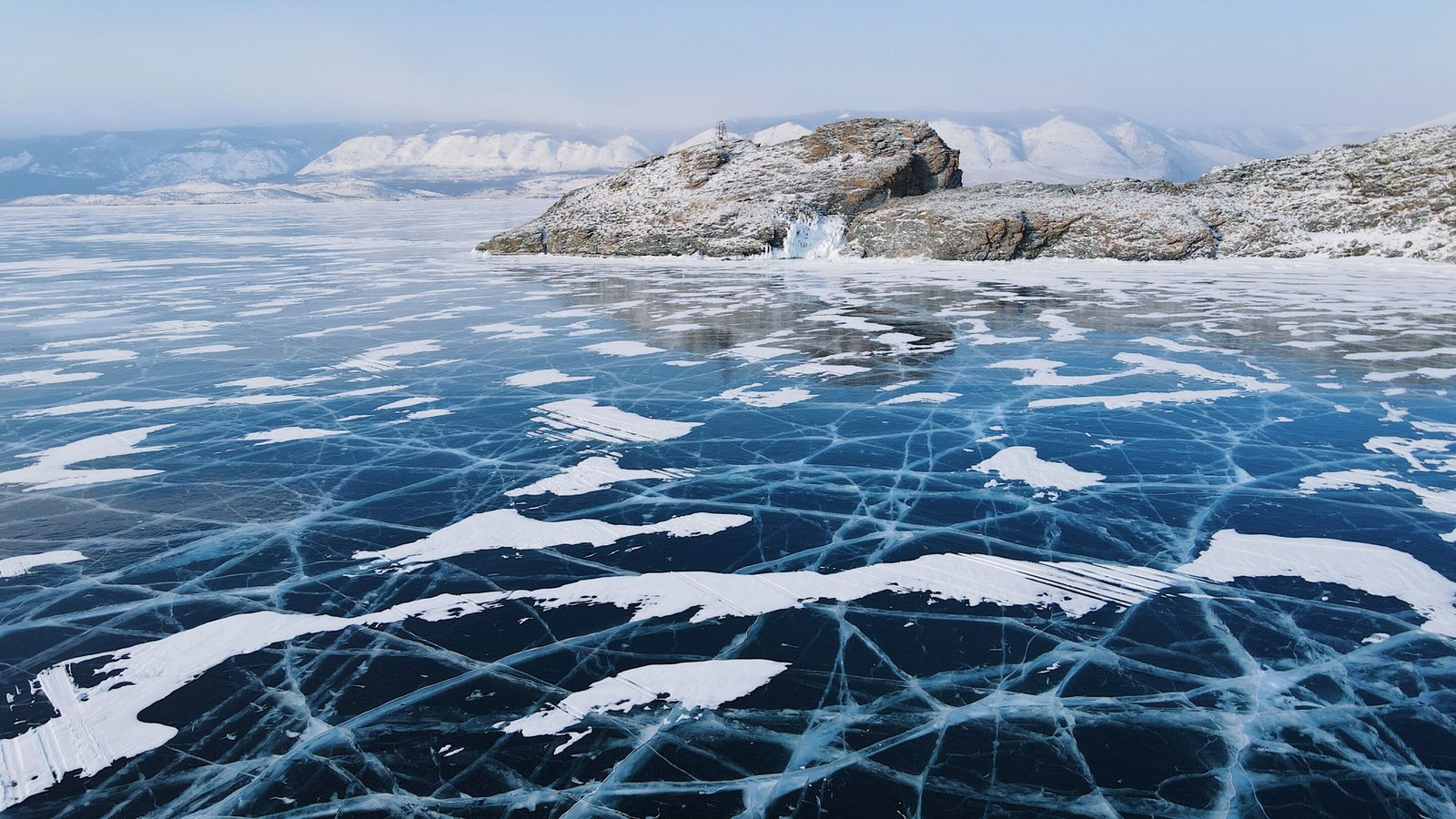
World's largest freshwater lake, a UNESCO World Heritage site, is recovering after decades of decline
Lake Baikal shows signs of recovery, with increased streamflow and rising water levels. This turnaround is linked to changing weather patterns bringing more moisture.
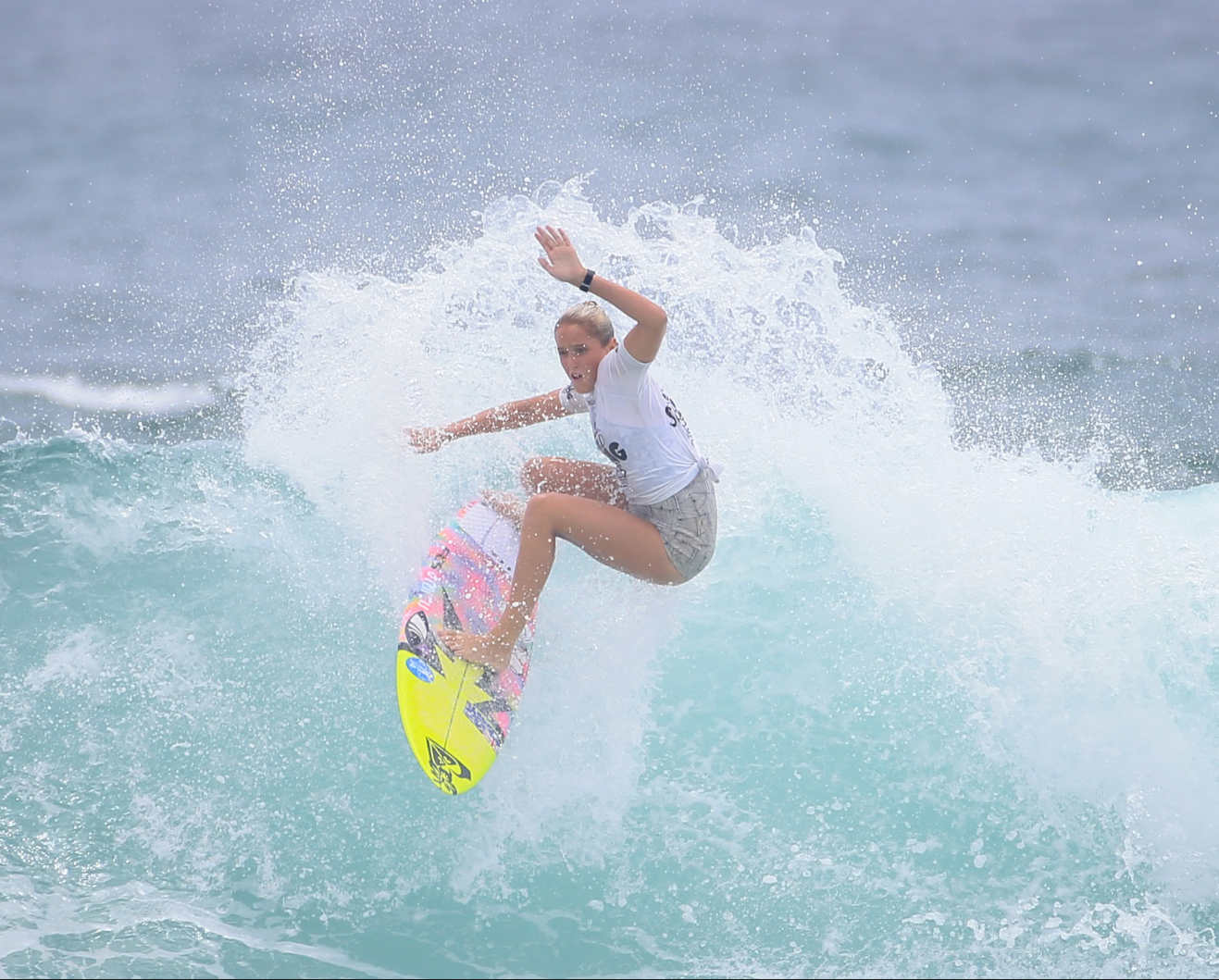
14-Year-Old Becomes Youngest World Surfing Champ
A 14-year-old phenom just became the youngest world surfing champion, stunning veterans and securing Australia an Olympic spot. She battled back from repechage rounds to claim an unbelievable gold medal, inspiring a new generation.

New Alzheimer’s Jab Halves Rate of Decline
New six-month jabs dramatically slow cognitive decline and reduce brain tangles, showing promising results for Alzheimer's treatment. Scientists are calling these findings "thrilling" as the treatment tackles the disease at its source.
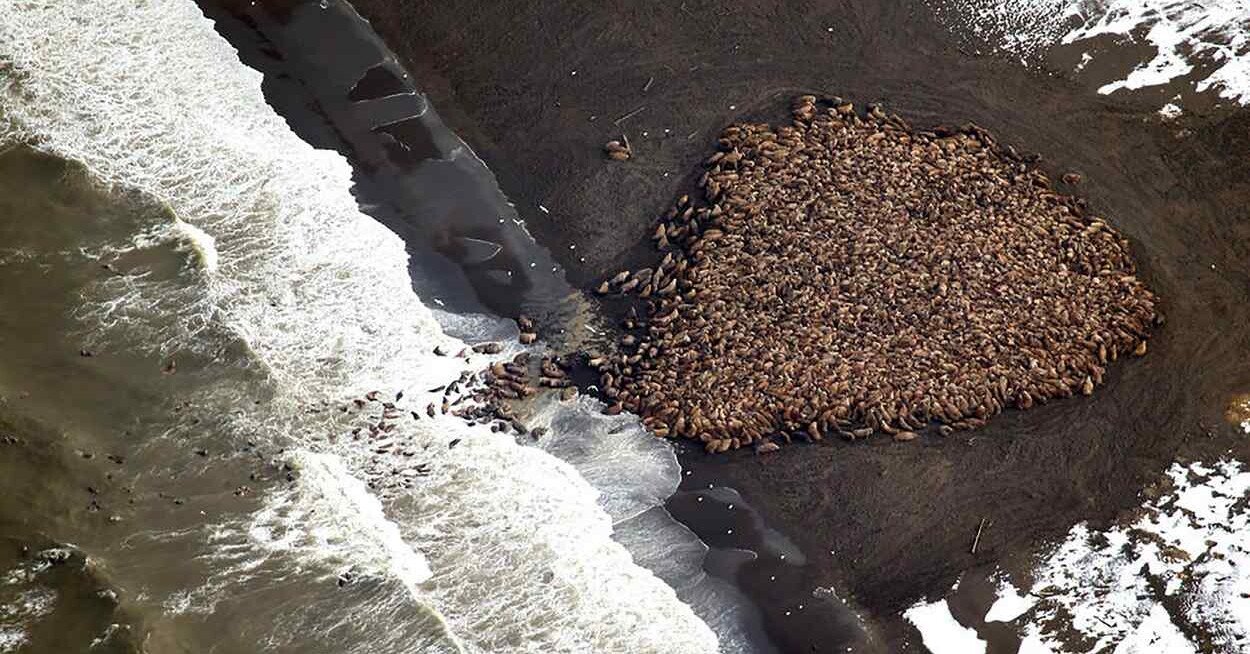
One-of-a-Kind Refuge to 200,000 Walrus Protected Forever in Alaska
Walruses now have a permanent safe haven in Alaska! These vital islands, crucial for nearly all female and juvenile Pacific walruses, are now protected from development.
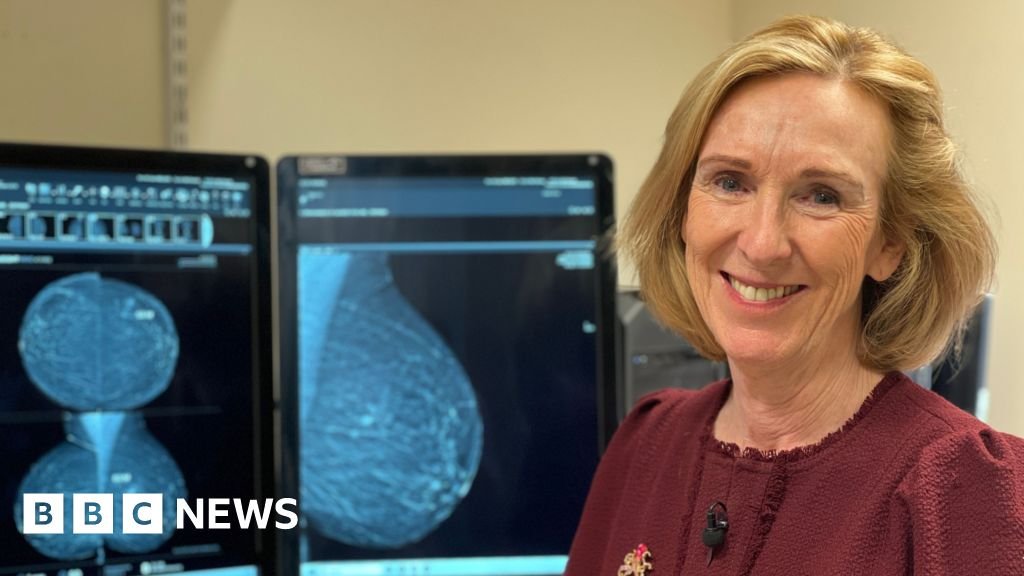
NHS launches world's largest trial for breast cancer detection using AI
UK women are invited to the world's largest trial testing AI's ability to improve breast cancer detection. This study aims to see if AI can boost early diagnosis and reduce staff workload without unnecessary recalls.