Edition 162
November 19, 2026
Inspiring record-breaking feats, a hopeful word choice, thriving whales, cancer breakthroughs, and environmental wins make for a fantastic good news edition!

6.86 Seconds: Teen Sets Limbo Skating World Record
Medical student Shrishti Sharma shattered her own world record, limbo skating 50 meters under descending poles in an astonishing 6.86 seconds! This is her second Guinness World Record in the sport.
The Cambridge Dictionary has named ‘human’ as the Word of the Year 2026
AI's rise is prompting a global re-evaluation of what makes us human, sparking conversations about our unique qualities and creativity. This heightened focus on humanity in the age of artificial intelligence has led to 'human' being named the Word of the Year.
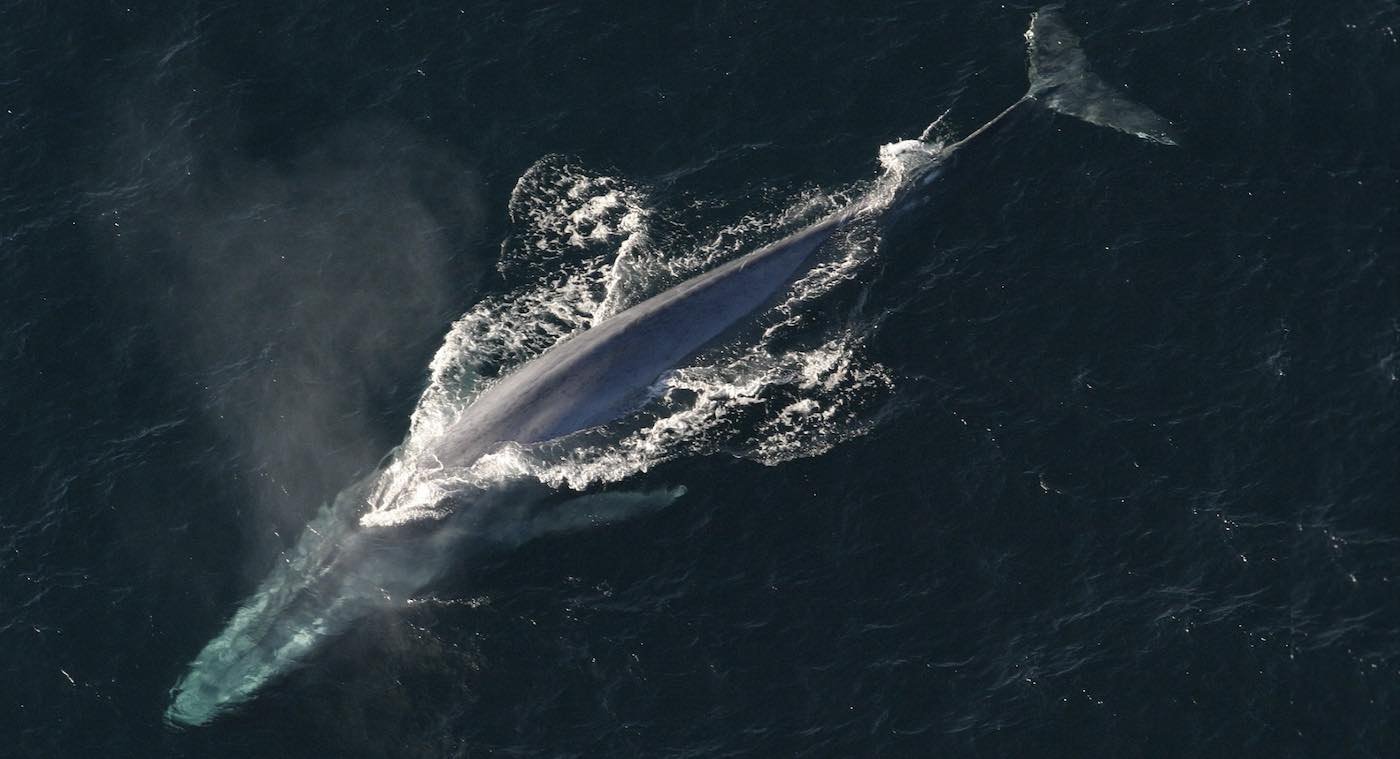
Antartic Blue Whale Population Grew 1,000% Since the End of Antarctic Whaling
Antarctic blue whales have seen a massive 1000% population boom since whaling ended. This incredible recovery highlights the resilience of these gentle giants and their vital role in ocean health.
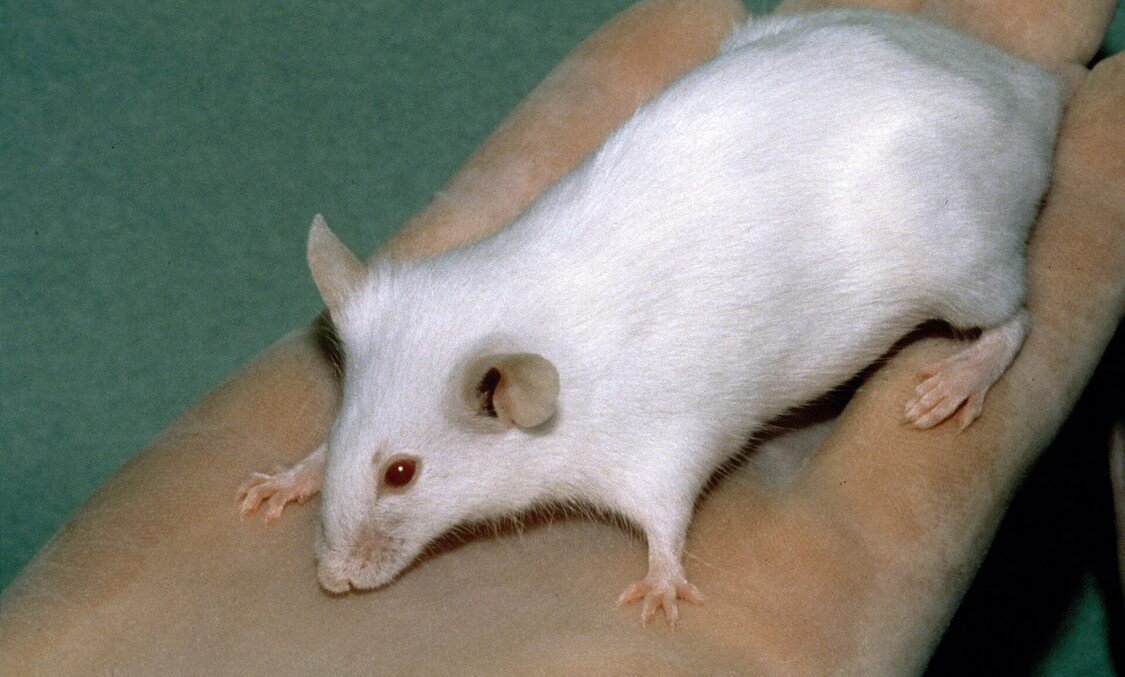
Scientists ‘Cure’ Deadly Brain Tumors in Every Mouse Tested with New Cancer Therapy
New therapy completely eliminated aggressive brain tumors in mice, offering hope for a lasting cure. Scientists are fast-tracking this promising treatment for human trials.
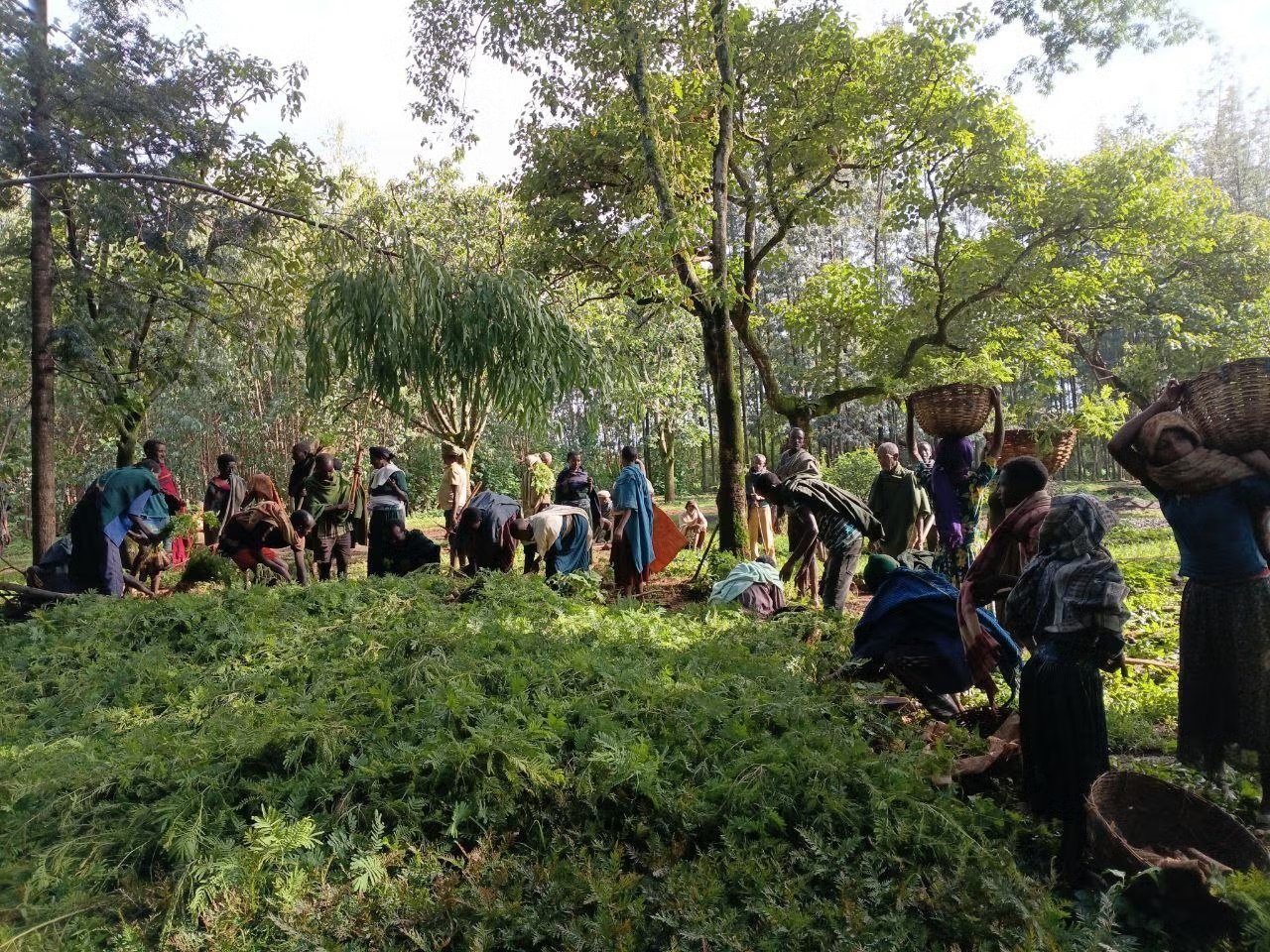
Watershed Restoration in Ethiopia Reaches First Major Milestone
Over 1,000 Ethiopians planted 150,000 trees to restore degraded watersheds feeding Lake Tana. This massive community effort aims to boost water security for millions downstream.