Edition 38
June 13, 2026
Discover groundbreaking timekeeping, arthritis cures, record-breaking adventures, vast fungal networks, and cities empowered by youth!
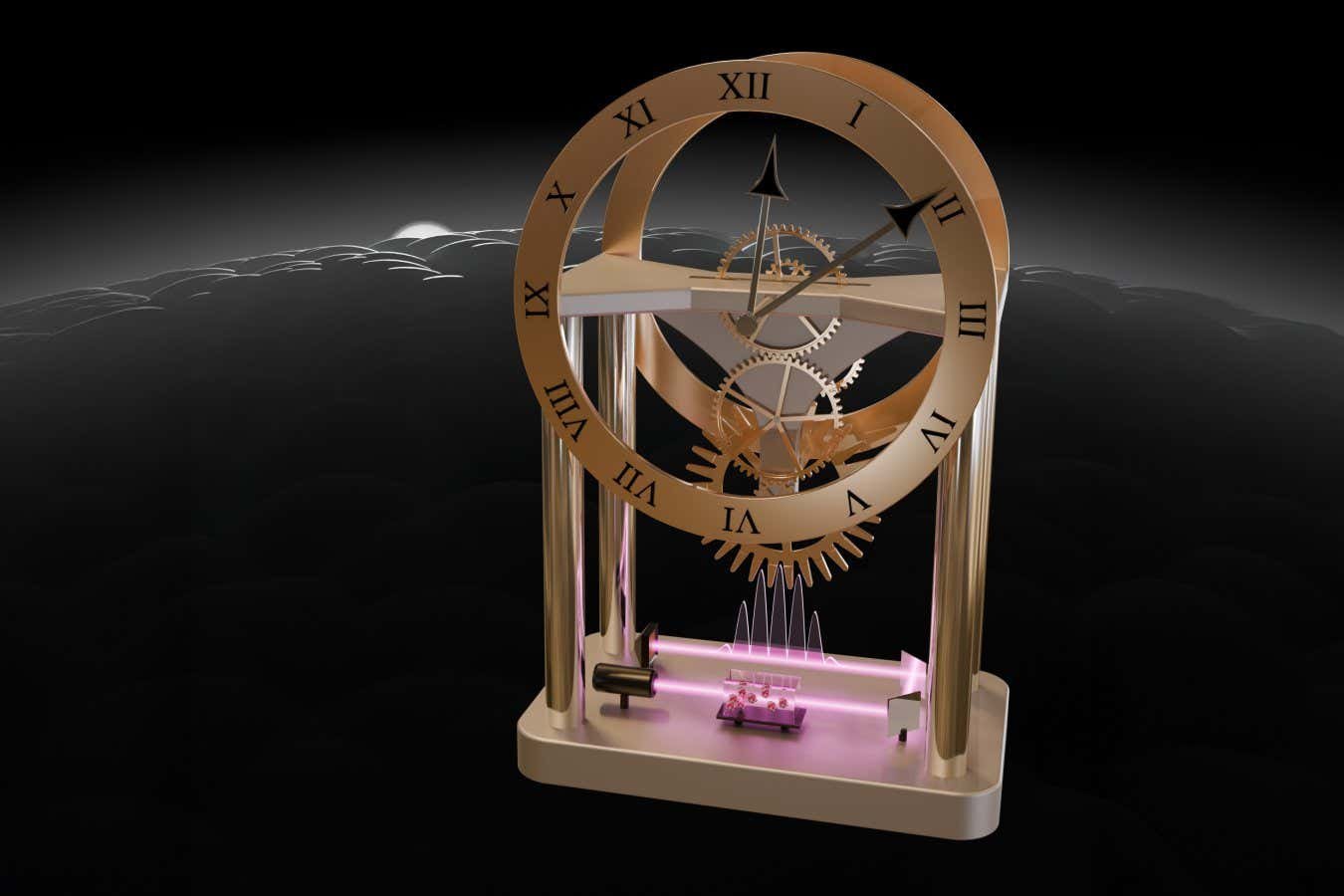
First working nuclear clock heralds a new era in timekeeping
Scientists unveil the first working nuclear clock, promising unprecedented timekeeping accuracy. This groundbreaking device uses atomic nuclei, not electrons, and could revolutionize physics experiments.
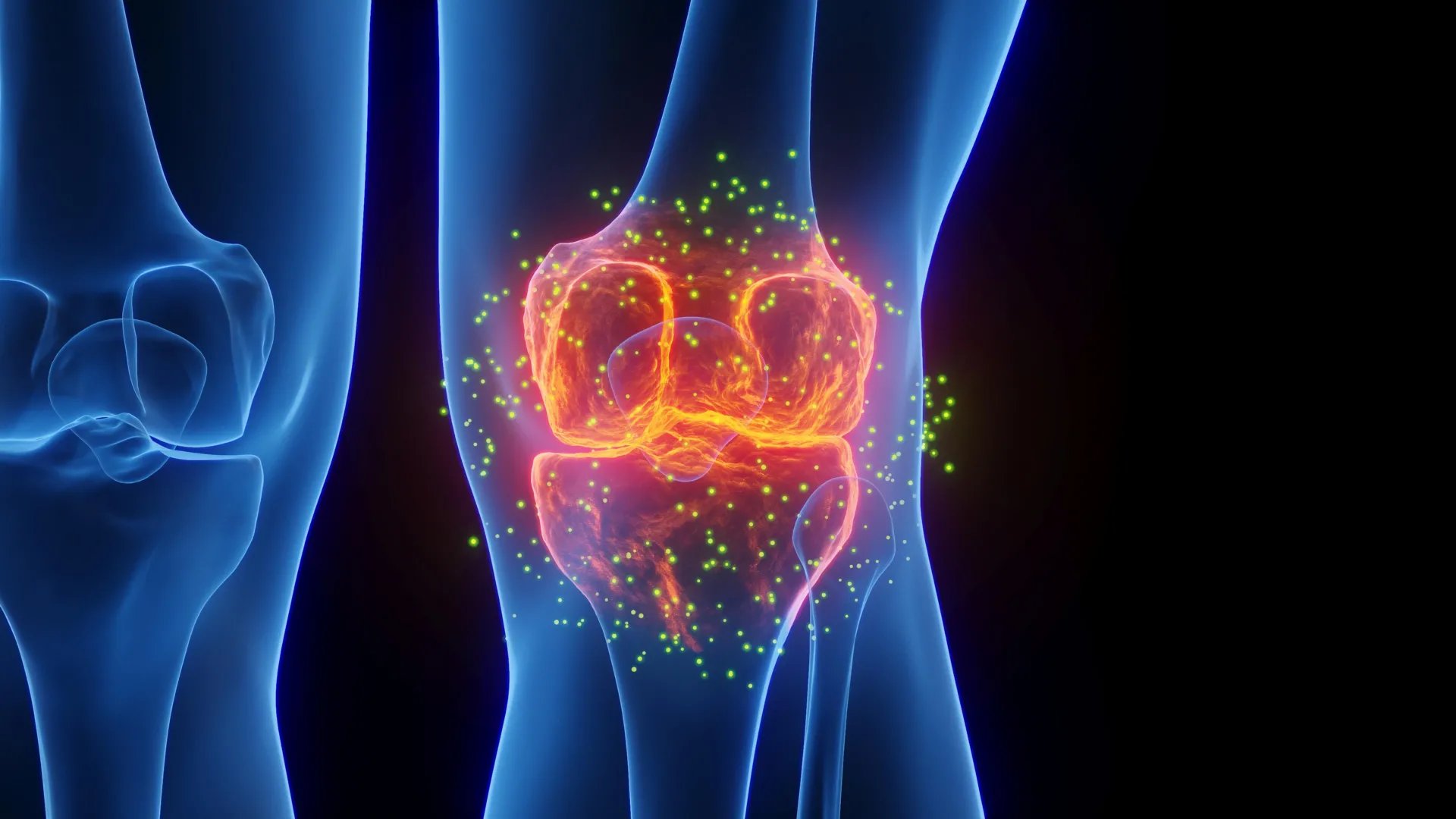
Stanford scientists regrow lost cartilage and reverse arthritis in major breakthrough
Scientists have regrown lost cartilage and reversed arthritis in mice by targeting a protein linked to aging. This breakthrough shows promise for treating cartilage damage in humans, potentially reducing the need for joint replacement surgery.
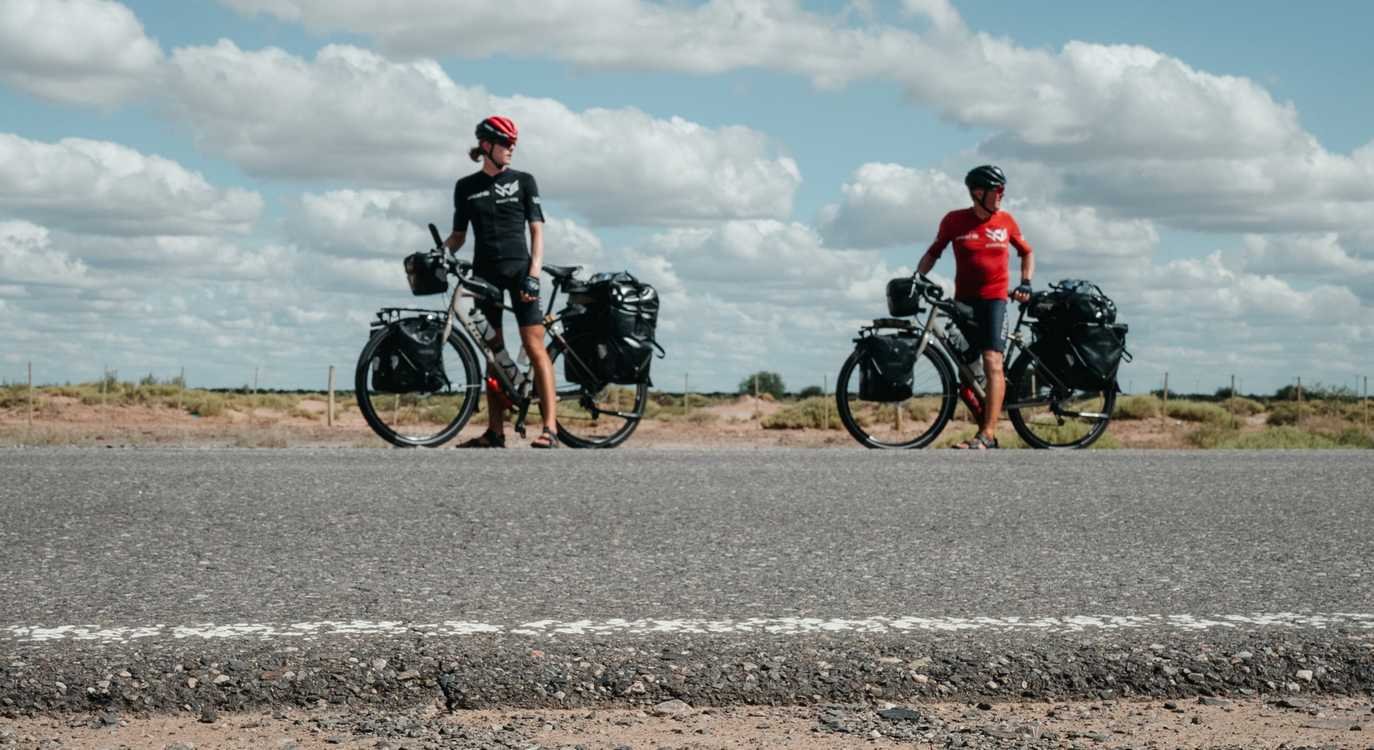
Father and Son Break Three World Records in 18,000 Mile Cycle Around the World
Father and son duo smashed 3 world records cycling 18,000 miles around the globe! They achieved the fastest circumnavigation, longest journey, and most countries visited by a father-son team.
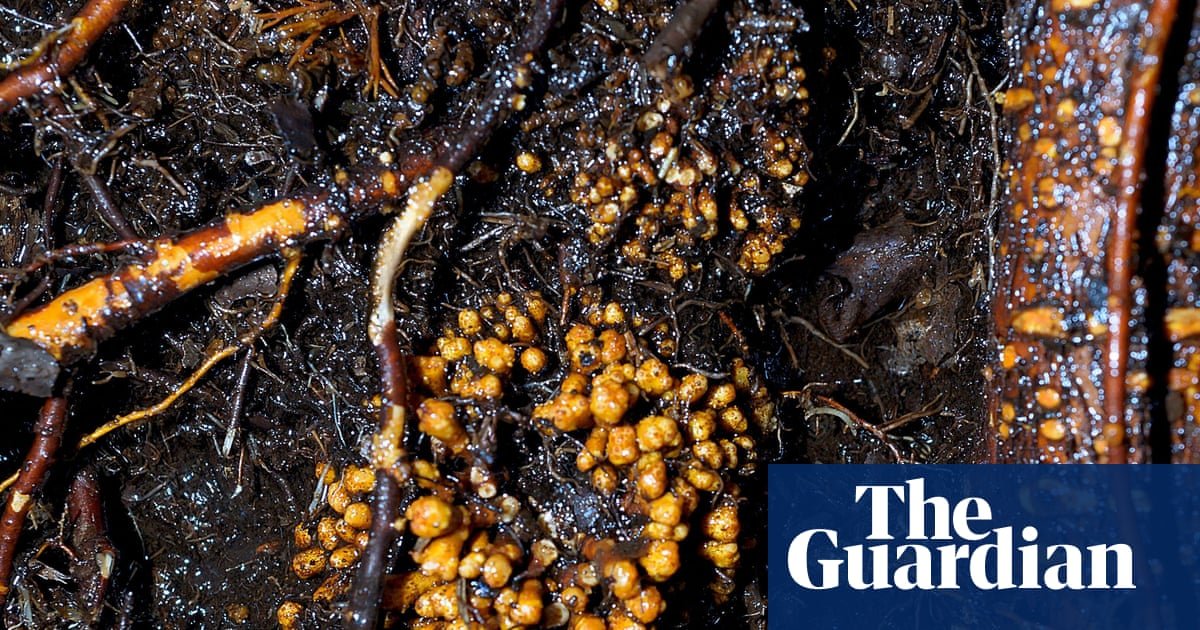
Subterranean fungi networks more than 100 quadrillion km in length, study finds
Underground fungal networks stretch 110 quadrillion km, enough to circle the sun 750 million times! Scientists are now studying ways to work with fungi to help address many of the unfolding challenges of our times, from food security to climate change.
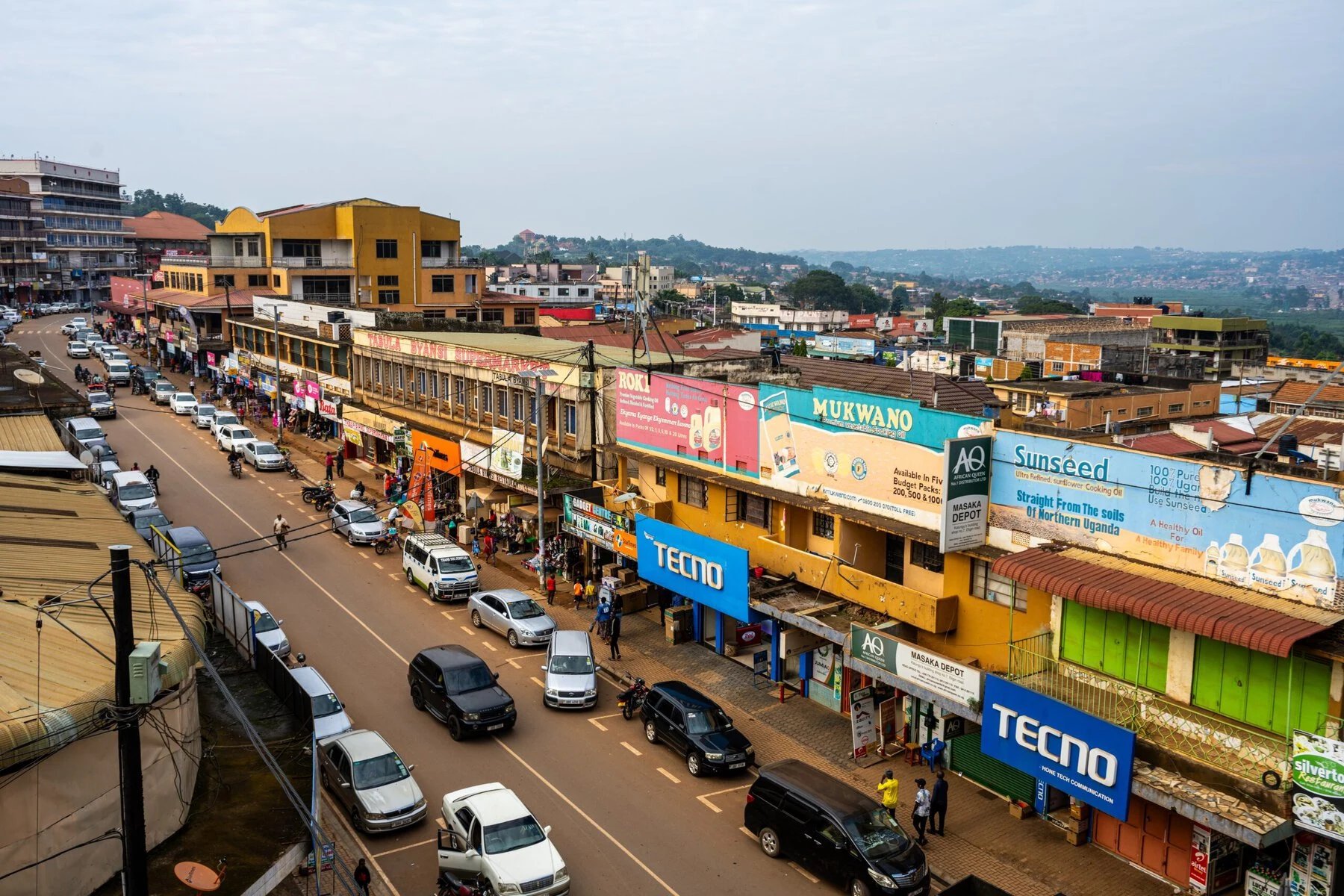
The City That Doubled Down on Listening to Its Youth
Masaka City is actively listening to its young residents, creating a dedicated desk to bridge the gap between youth concerns and local government. This initiative connects young people with opportunities and empowers them to be part of the city's solutions.