Edition 125
September 29, 2026
Young chess prodigy, ocean cleanup success, rabies-free Bhutan, underwater solar power, and a 7-day dance marathon!
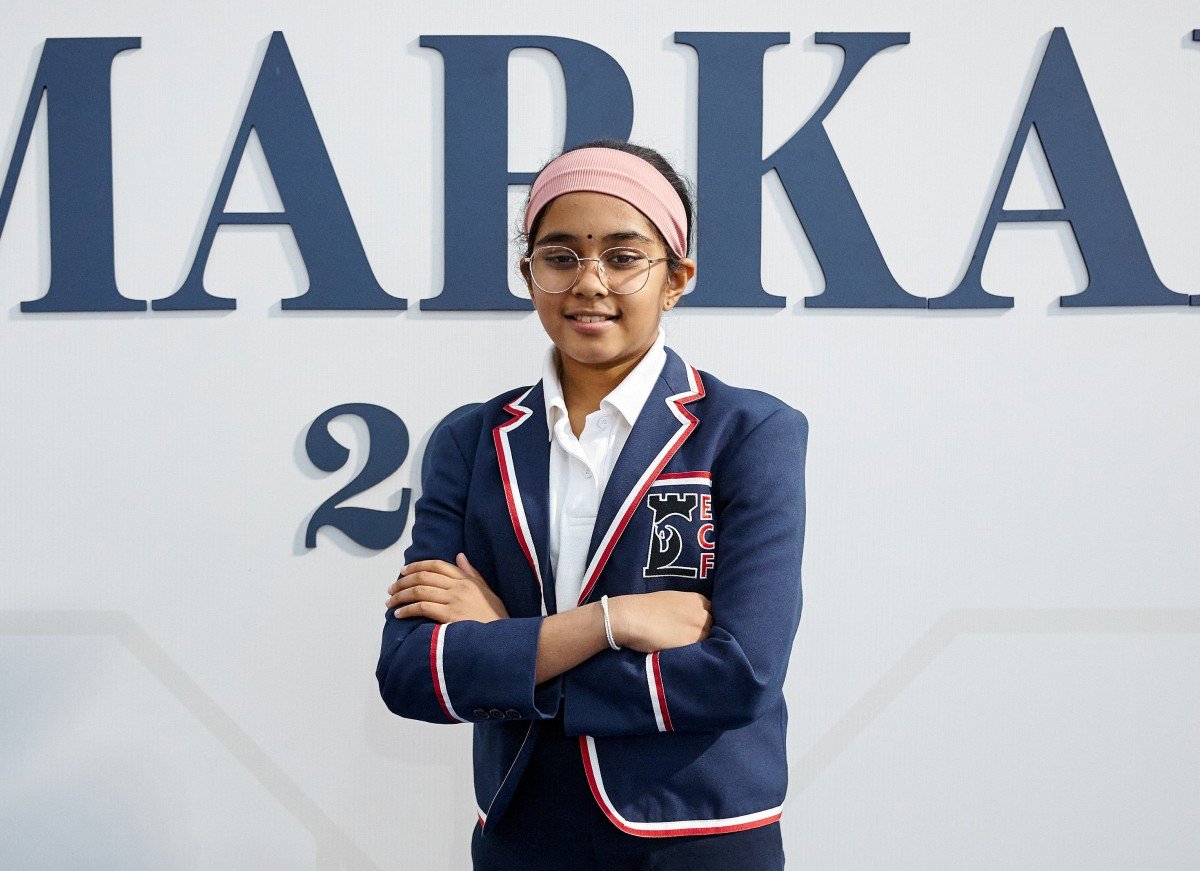
Bodhana Sivanandan: Youngest-Ever Woman Grandmaster at 11
An 11-year-old chess prodigy has become the youngest Woman Grandmaster (WGM) in history. Bodhana Sivanandan earned her WGM title with an impressive performance at the Women's Olympiad, playing on top board for England.
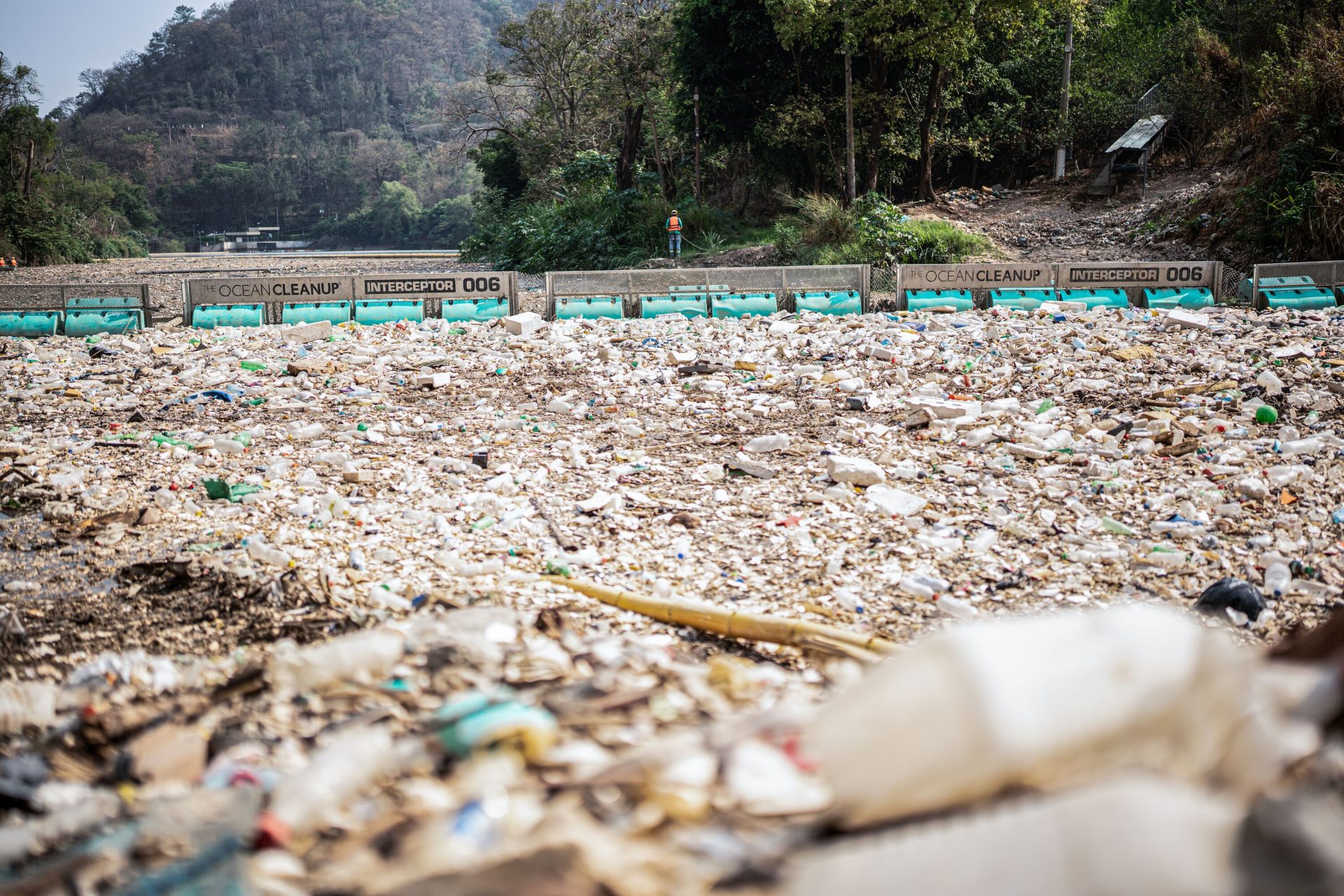
Ocean Cleanup Stops 463,000 Pounds of Trash in Guatemala
Interceptor 006 captured over 463,000 pounds of trash in Guatemala, preventing a massive flood of plastic from reaching the Caribbean Sea. This single catch demonstrates the power of intercepting pollution at its source before it harms marine life.

Bhutan recognized for eliminating dog-transmitted rabies ahead of World Rabies Day
Bhutan is the first in Southeast Asia to eliminate dog-transmitted rabies, a major win for public health. Their "One Health" approach and widespread vaccination programs paved the way for this historic achievement.

Scientists generate solar power 10 metres beneath the sea
Scientists just powered devices 10 meters underwater using sunlight! This breakthrough uses special solar cells to capture light that reaches deeper ocean depths.

Nigeria's Ben Dancer dances non-stop for seven days in world record bid
Nigerian "Ben Dancer" has smashed the world record for the longest dance marathon, dancing for an incredible 168 hours straight! His incredible feat celebrated Nigeria's vibrant dance culture and inspired a nation.