Edition 17
May 20, 2026
Record-breaking whales, giant wind turbines, hidden hydrogen, new species, and wildlife bridges — nature's amazing feats abound!
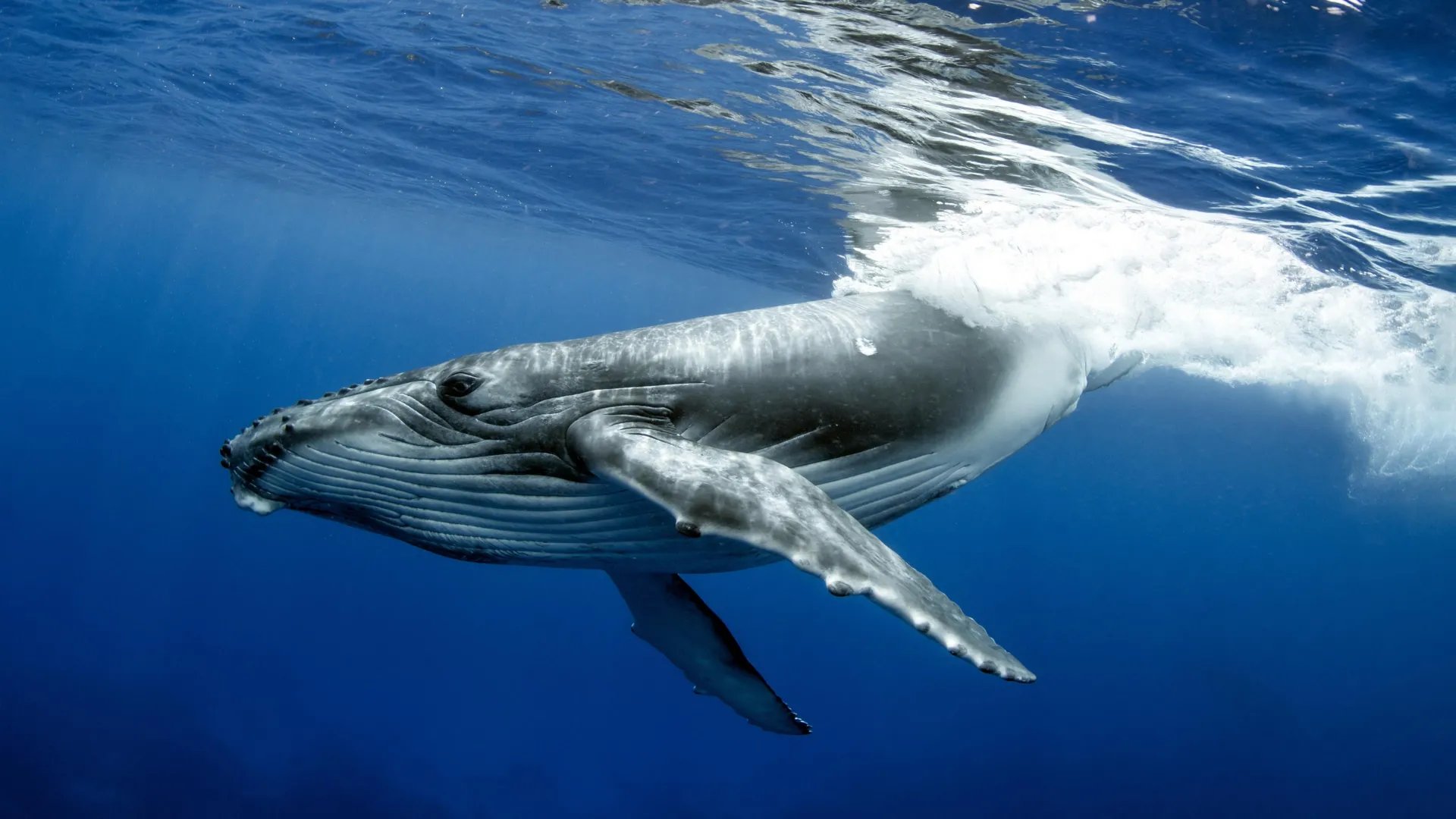
Humpback whale breaks migration record with 15,000 kilometer ocean journey
Humpback whale smashes migration record, traveling over 15,000 km between Australia and Brazil! This incredible journey highlights the importance of whale conservation and scientific research.
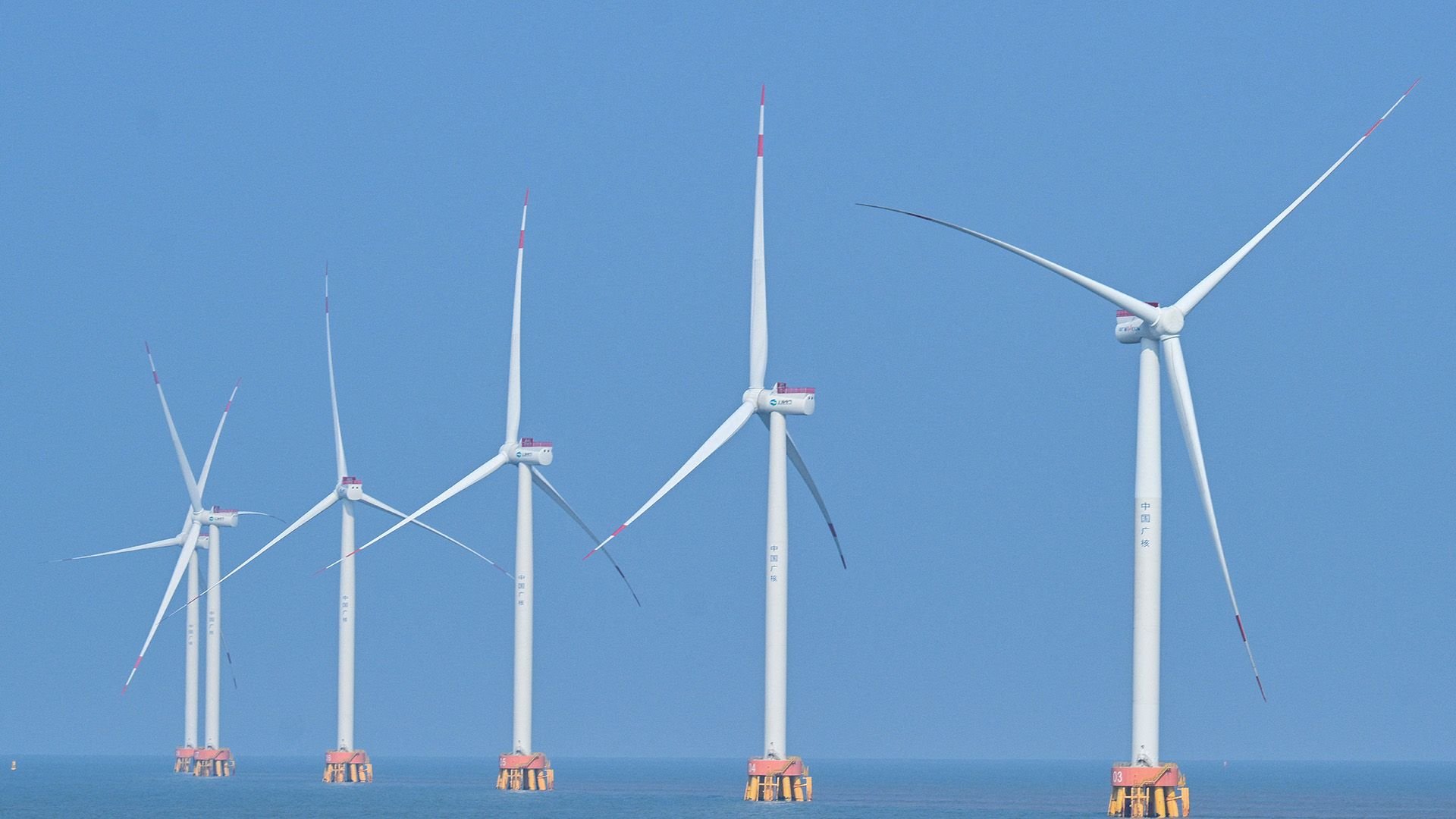
China installs world's largest floating wind turbine in deep water test — it generates enough energy to power 4,200 homes annually
China just launched the world's largest floating wind turbine, capable of powering 4,200 homes annually! This giant 16MW marvel tackles deep-water challenges and extreme weather.
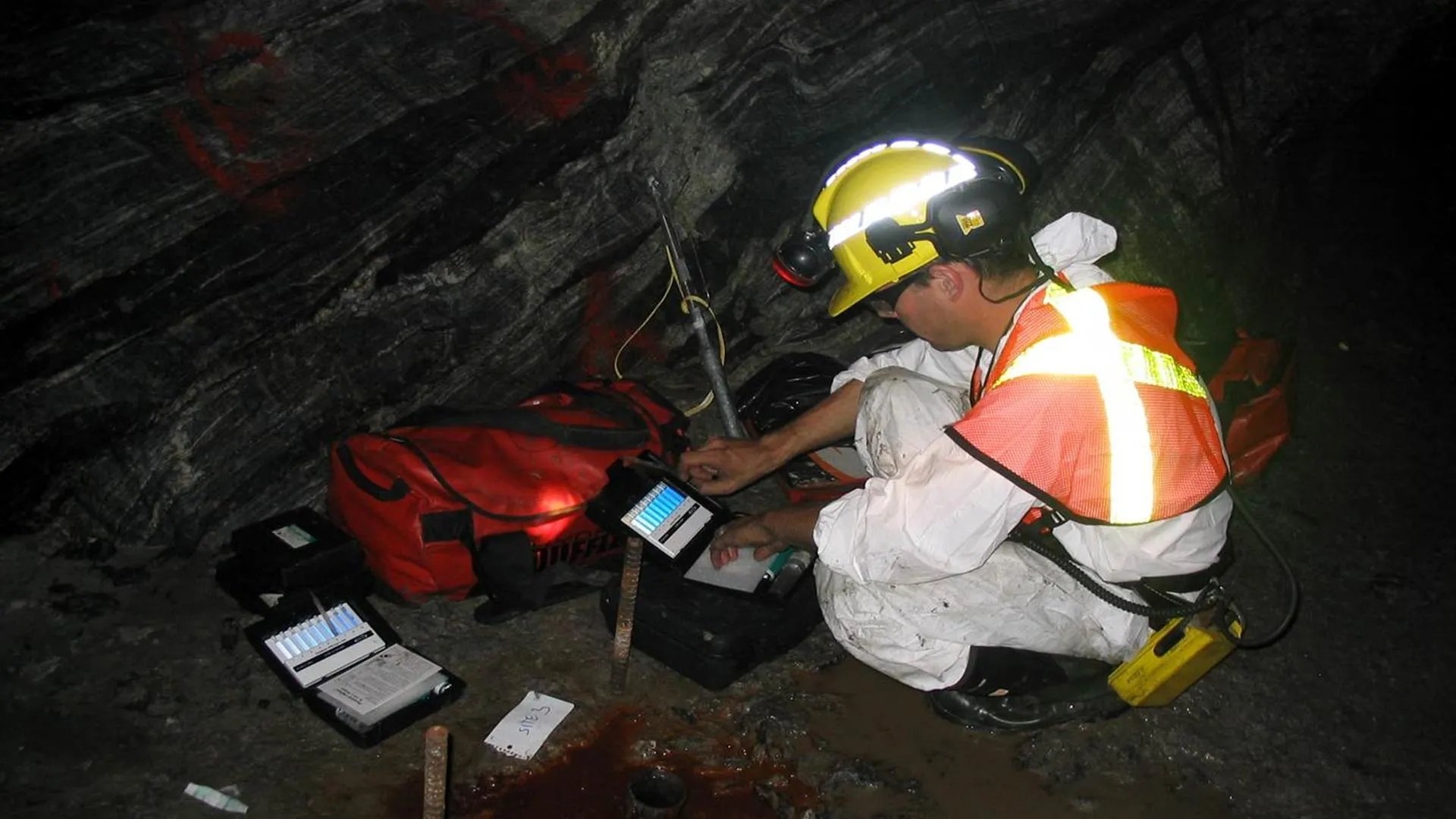
Scientists discover massive natural hydrogen source beneath Canada
Canada's ancient rocks are releasing vast amounts of natural hydrogen, a potential clean energy source. This discovery could unlock a "made in Canada" energy solution, reducing reliance on fossil fuels.
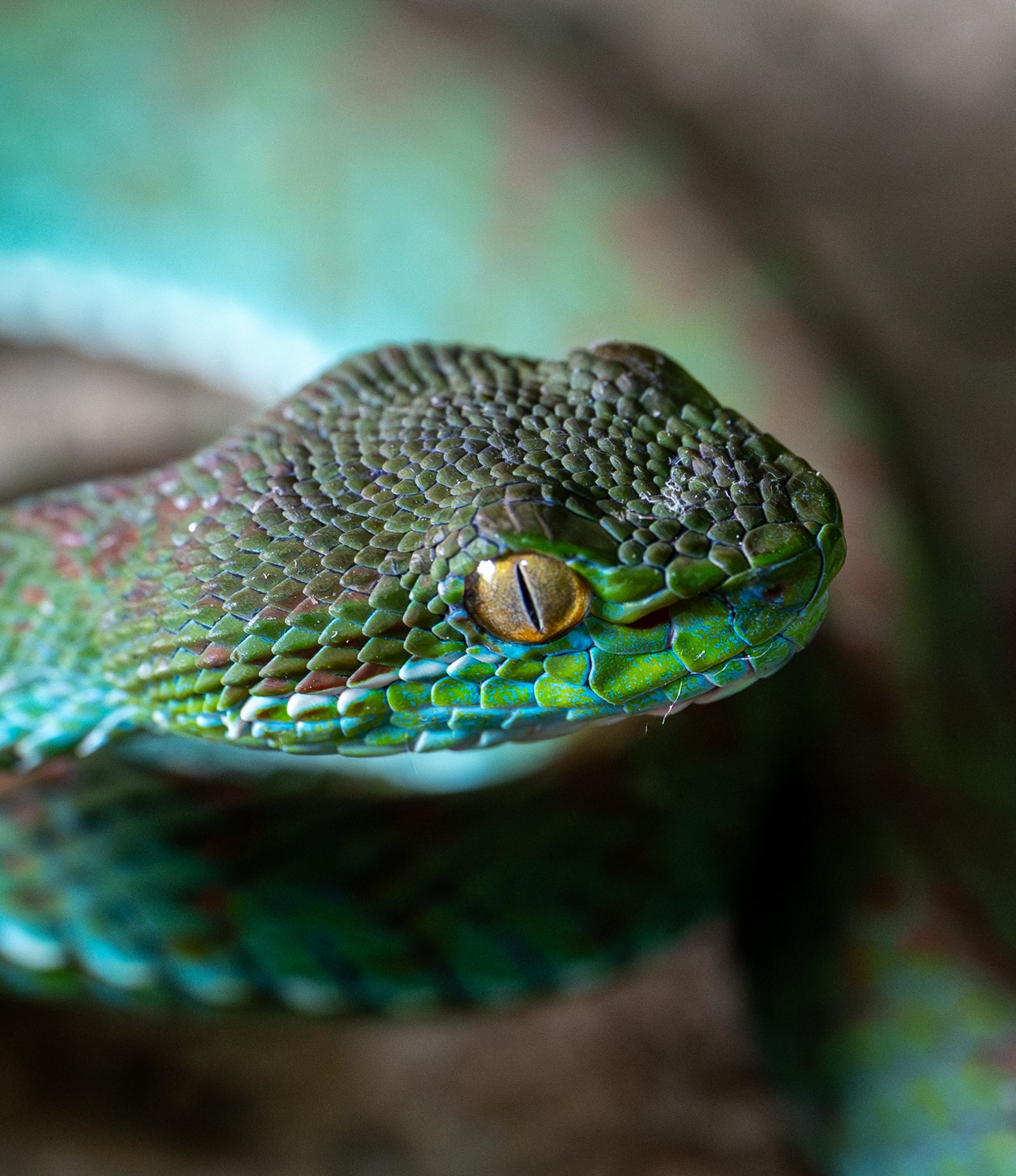
New animals discovered in Cambodian caves
Scientists have discovered at least 11 new species in Cambodia’s karst ecosystems - dramatic landscapes of caves and rocks that create isolated habitats.
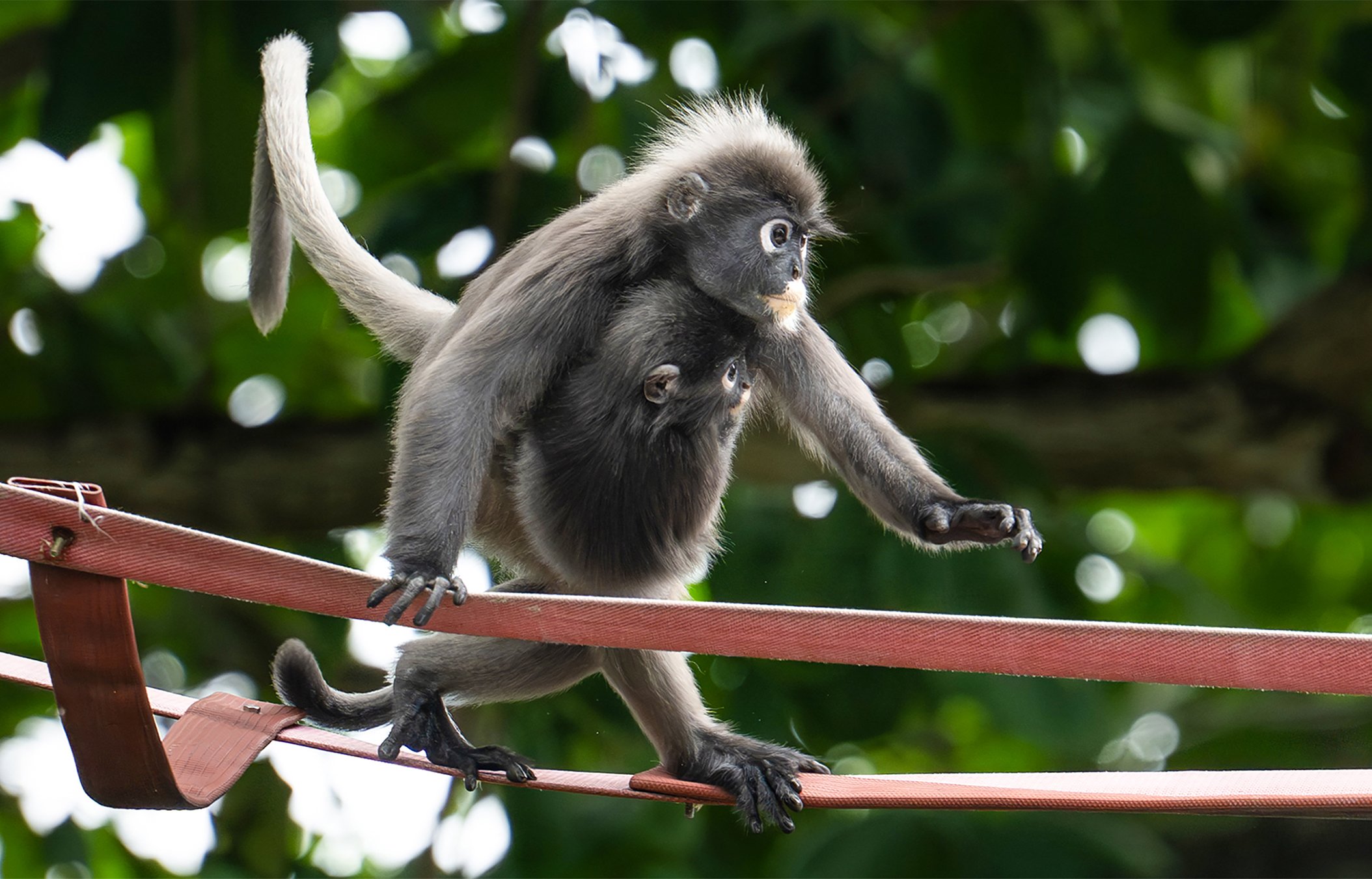
In Malaysia, a bridge helps endangered langurs and humans coexist
A new canopy bridge is helping endangered langurs safely cross a busy road, reducing human-wildlife conflict and fostering coexistence. This innovative solution allows the monkeys to access more territory, easing pressure on residential areas.