Edition 60
July 9, 2026
From DNA writing chips to cyborg cockroaches, discover groundbreaking science and conservation triumphs!
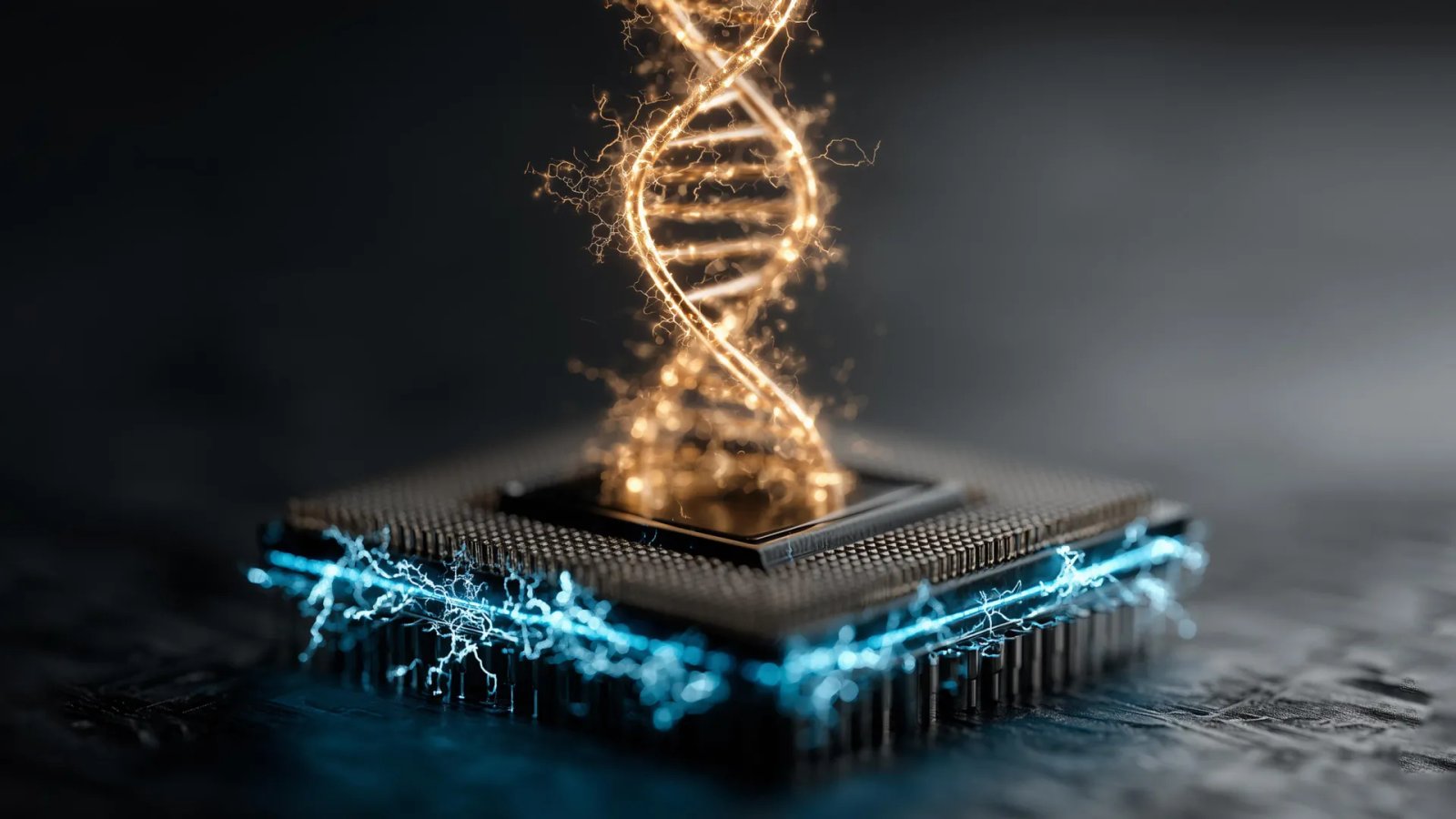
Harvard scientists turn a silicon chip into a DNA writing machine
Harvard scientists have developed a silicon chip that can write 64 unique DNA sequences at once using a water-based, eco-friendly method. This breakthrough could revolutionize DNA synthesis for fields like medicine and data storage.
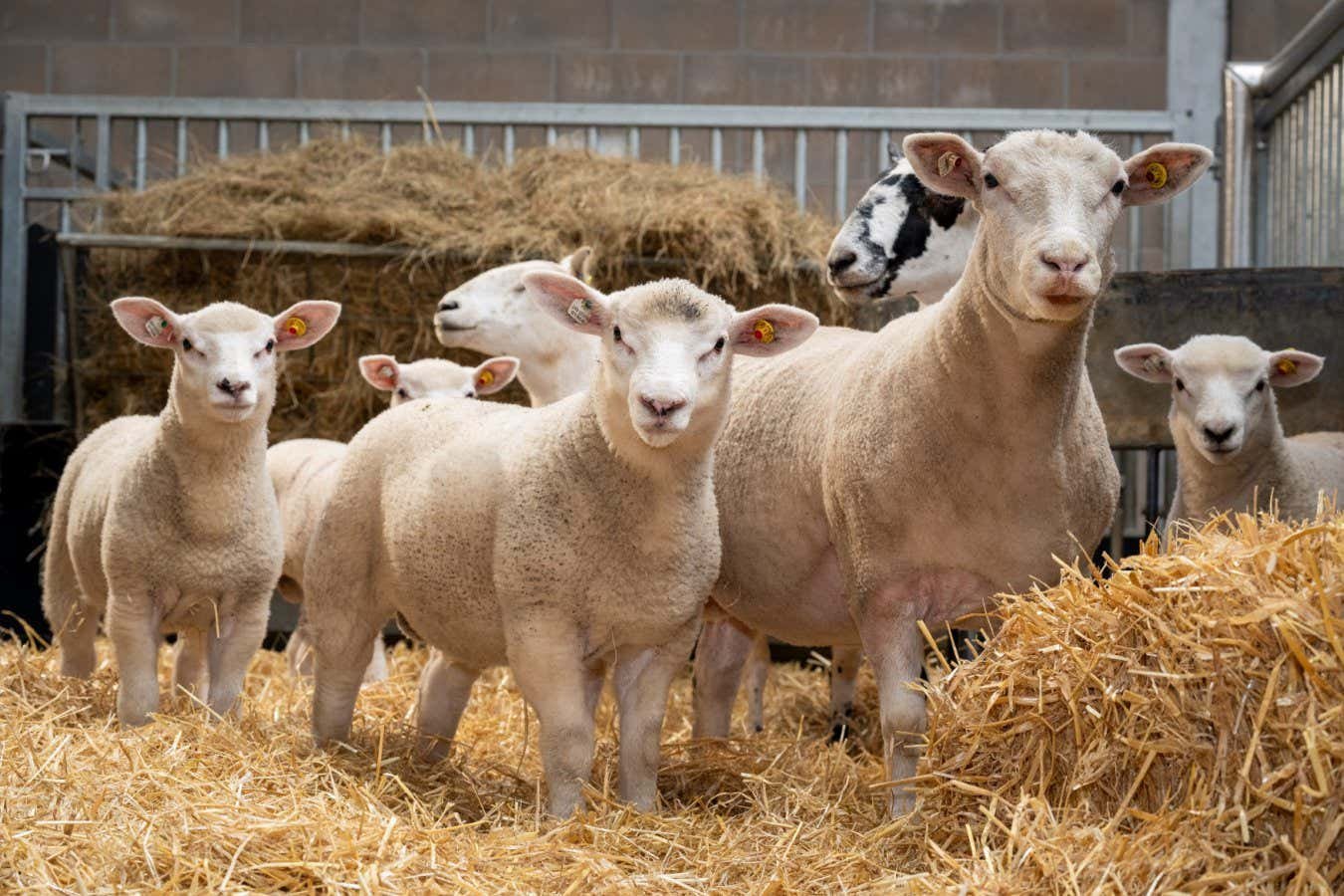
Lambs born via IVF using highly immature eggs in major breakthrough
Breakthrough IVF technique creates lambs from immature eggs, boosting hopes for human fertility treatment. This method could significantly increase egg availability and success rates for those with damaged ovaries.
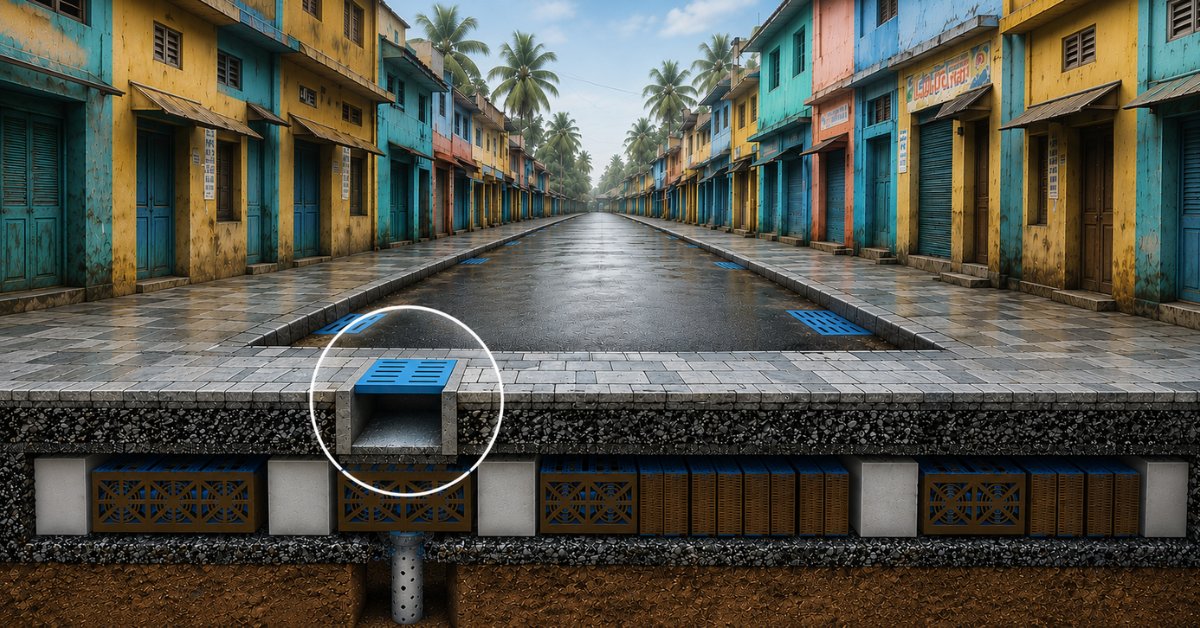
Made From Waste Plastic, This Coimbatore Drain Has Saved 50 Million Litres of Rainwater
This innovative drain made from recycled plastic captures 96% of rainwater, preventing floods and saving millions of liters for future use. It's a cost-effective solution already installed in thousands of locations across India.
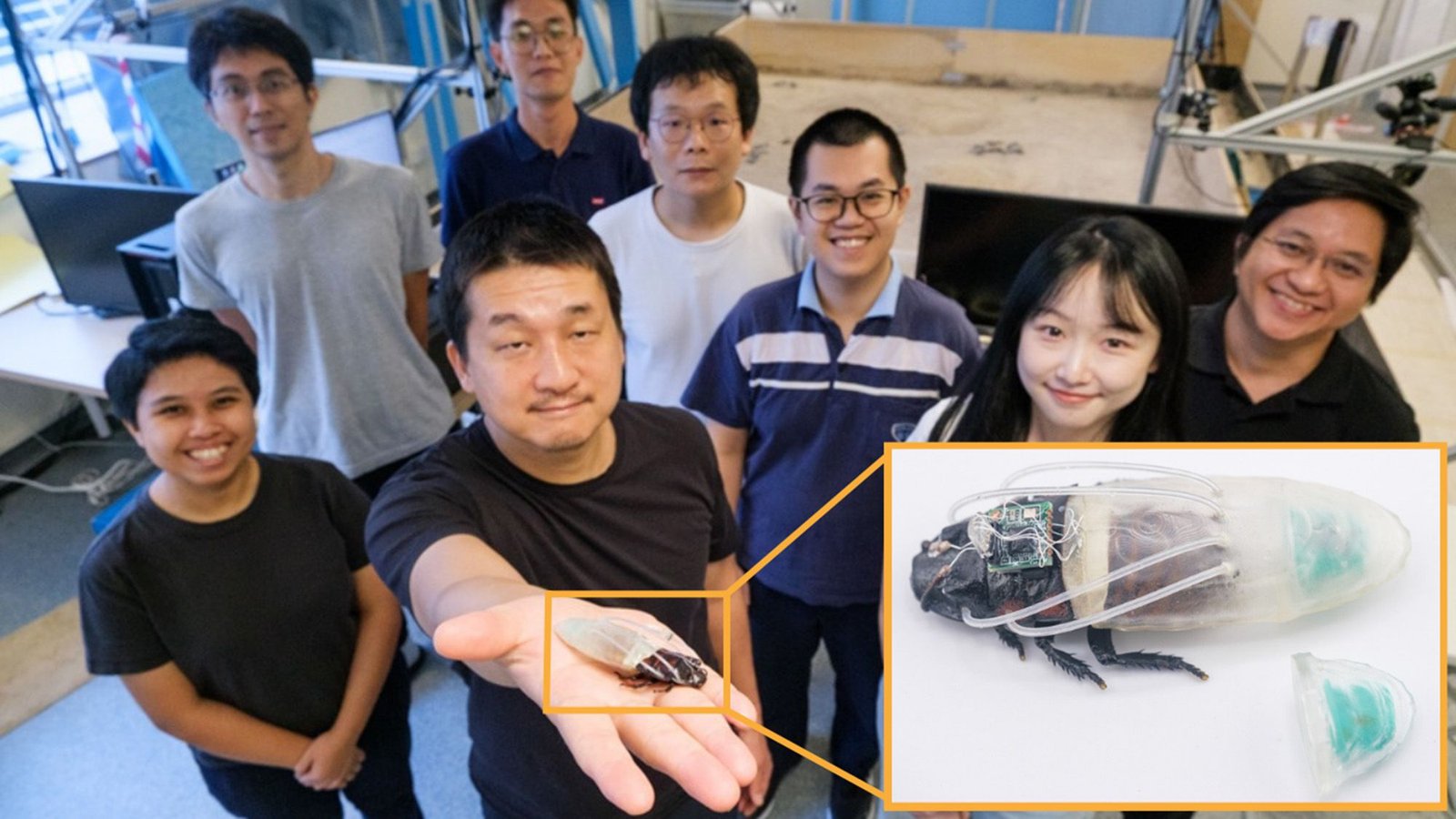
Scientists build tiny 'diving suit' for cockroaches, turning them into search-and rescue cyborgs
Cockroaches now wear tiny diving suits! These cyborg bugs can explore underwater for hours, potentially aiding in future search and rescue missions.
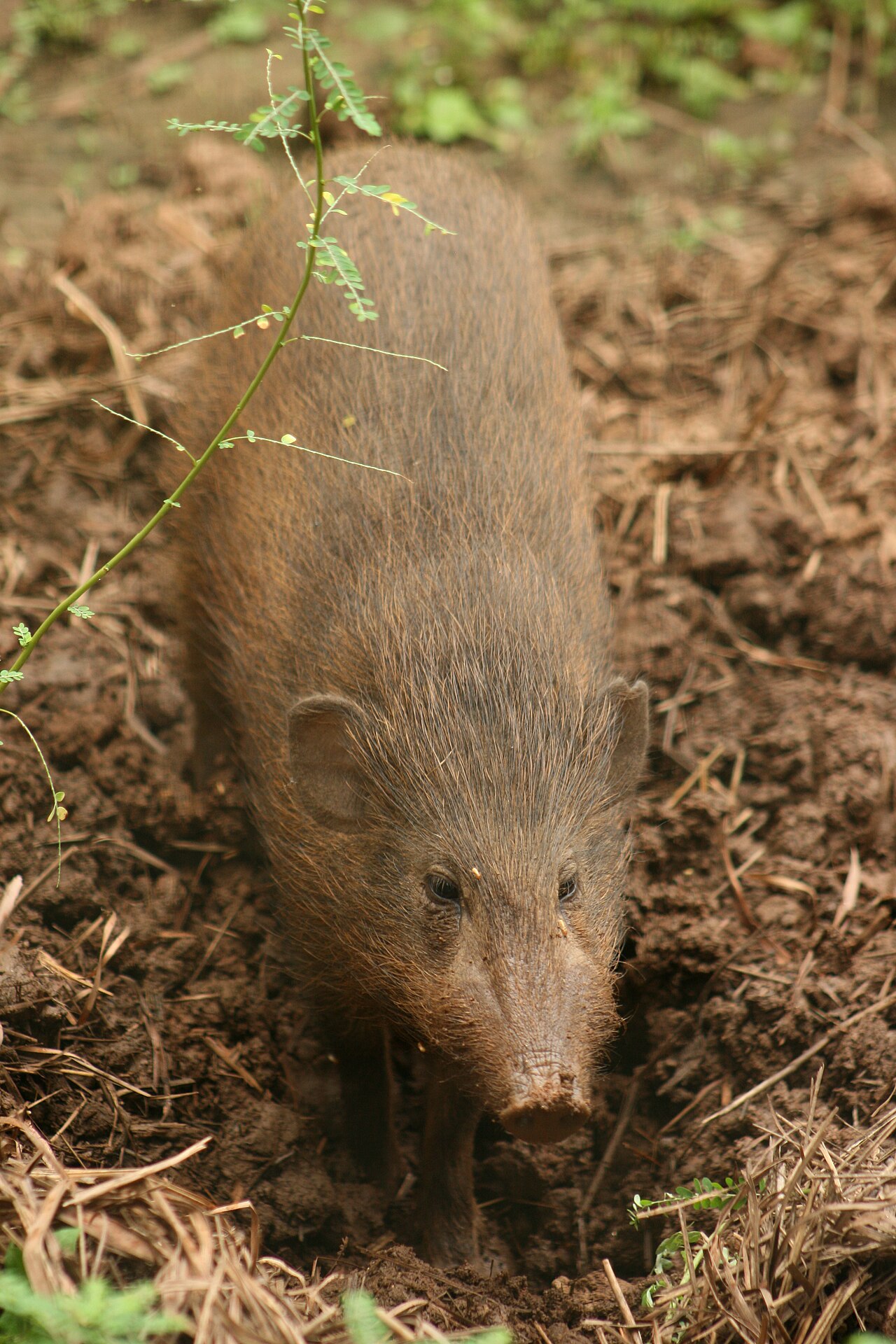
World's Smallest Pig Returns to the Wild in Historic Assam Release
Tiny pygmy hogs, saved from extinction, are thriving as 15 are released back into their native Indian grasslands. This historic event marks a major win in a 30-year conservation effort to restore these endangered creatures.