Edition 157
November 12, 2026
From eco-wins and wildlife havens to medical hope and poetic generosity, this digest shines a light on positive change.
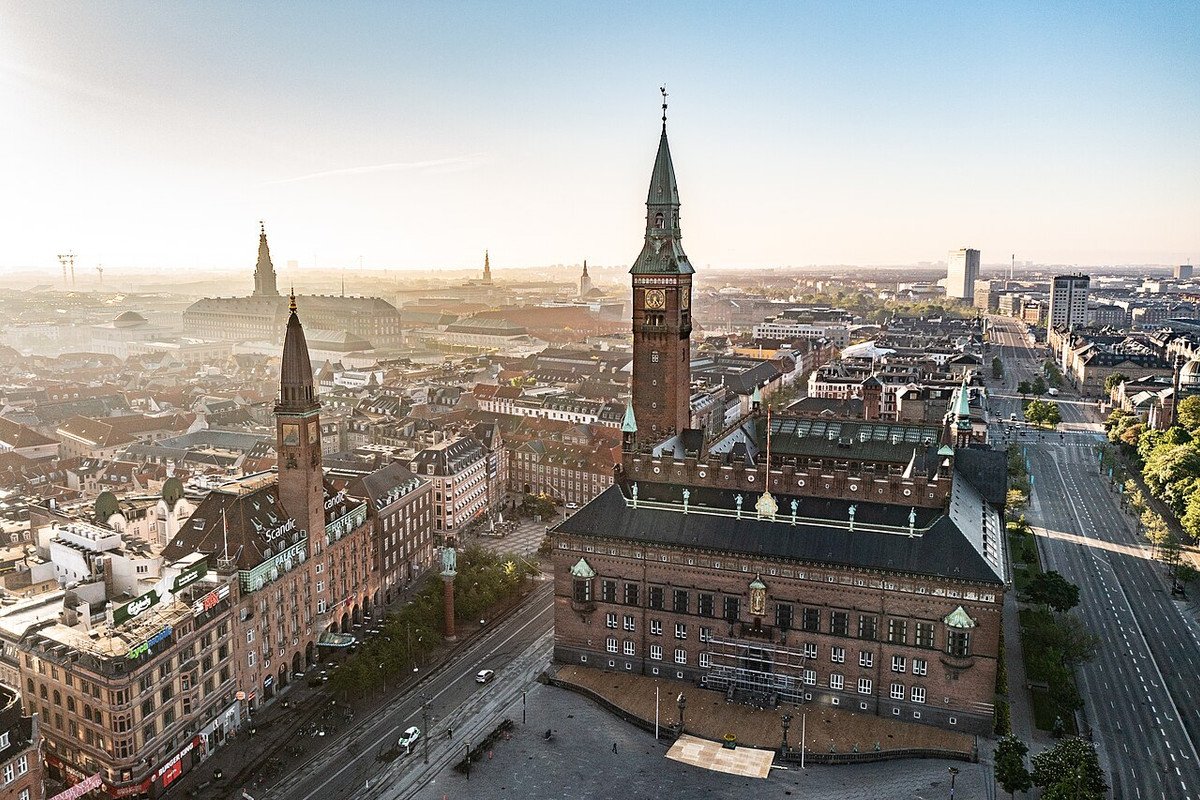
Copenhagen bans ads for climate-damaging transport
Copenhagen is removing ads for flights, cruises, and petrol cars from city-owned spaces. This move aligns with other European cities aiming to promote climate-friendly messaging in public areas.
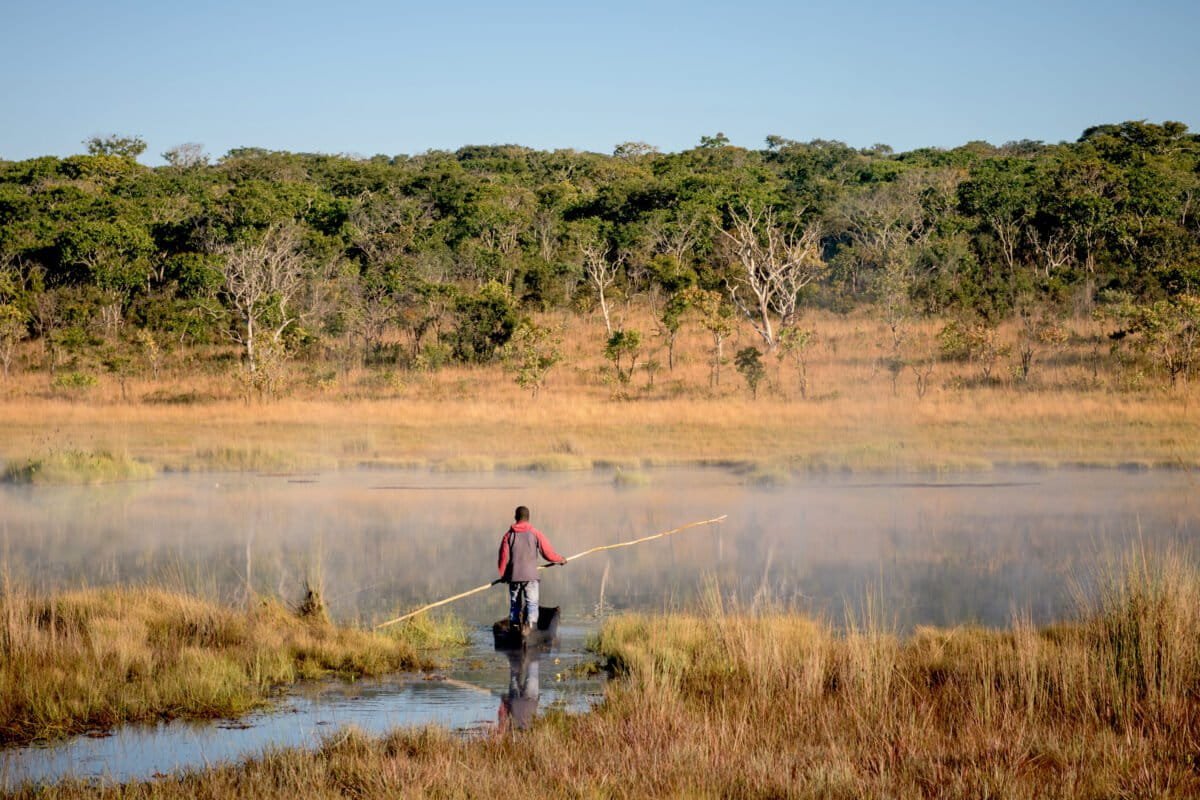
Angolan hunters protect Southern Africa’s internationally important wetland
Local communities are reviving ancient traditions to protect a vital wetland. Trained "Watchers" are now safeguarding this "source of life" from illegal hunting.
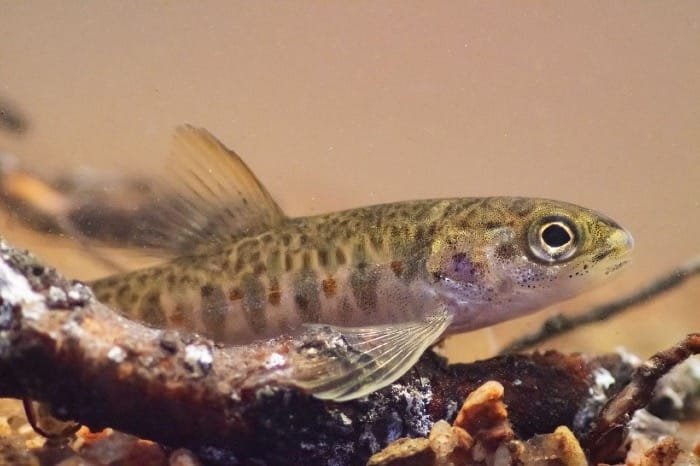
Salmon numbers soar a decade after river restoration project
Nature's comeback! A decade of river restoration has led to a booming population of young Atlantic Salmon, signaling a success for wildlife and water quality. This project is a shining example of how healing rivers brings life back to the ecosystem.
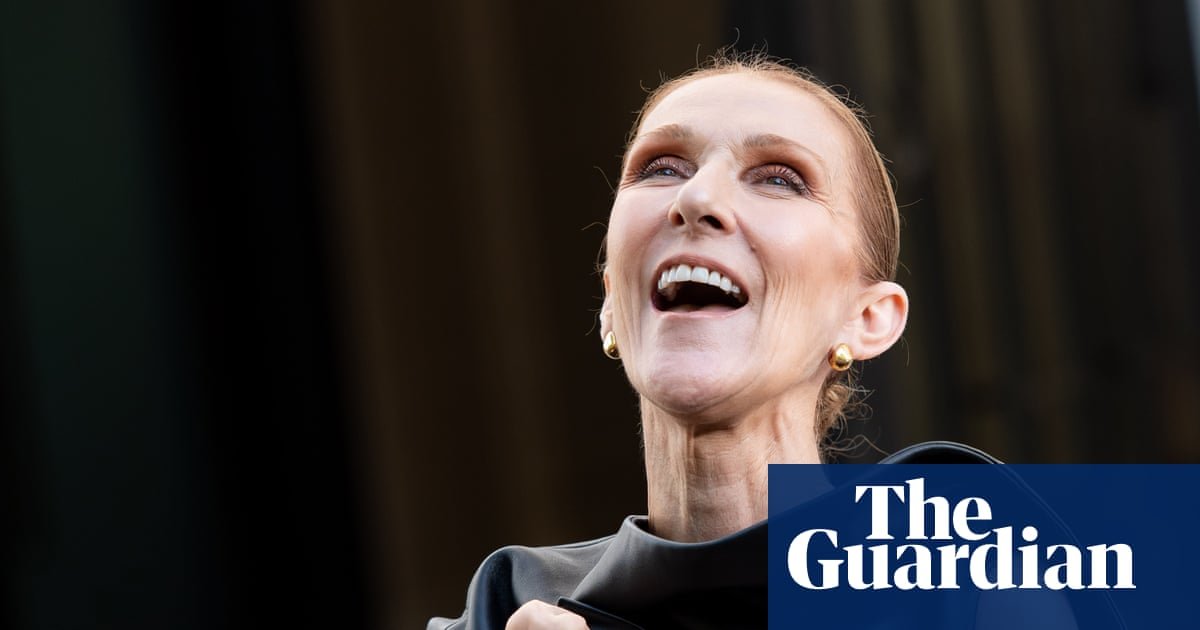
Medical breakthrough offers hope to people with same stiff person syndrome as Céline Dion
New CAR-T cell therapy shows dramatic improvements in people with stiff person syndrome. Patients are regaining mobility and returning to daily life after this groundbreaking treatment.
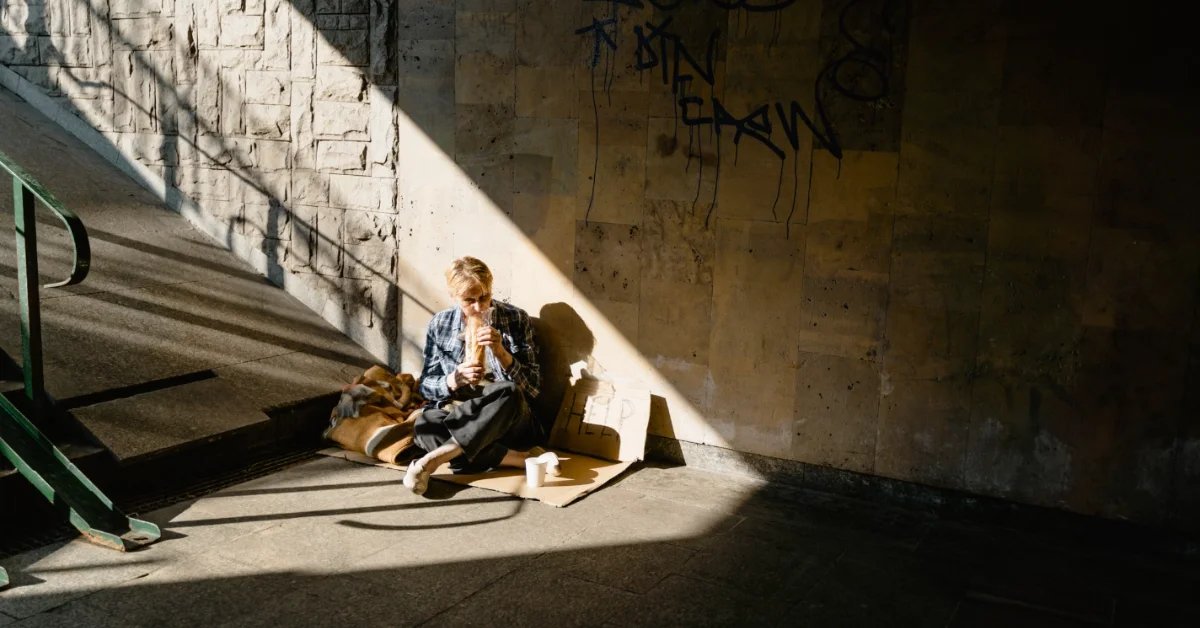
100 poets wrote 100 poems about homelessness — then donated book proceeds back to their unhoused neighbors
Poets penned 100 poems for an anthology benefiting the unhoused, raising thousands for local shelters. The project aims to inspire similar initiatives across England.