Edition 159
November 16, 2026
Discover breakthroughs in child health, green energy, medicine, policy, and space exploration!
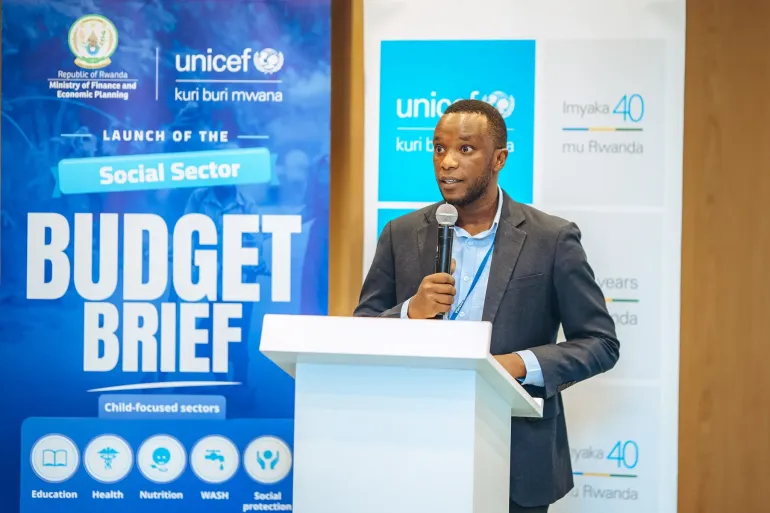
Poverty Falls as Rwanda’s Child Health and Education Improve
Rwanda's commitment to children's health and education is yielding major results: poverty is down, stunting is declining, and more kids are in school than ever before!
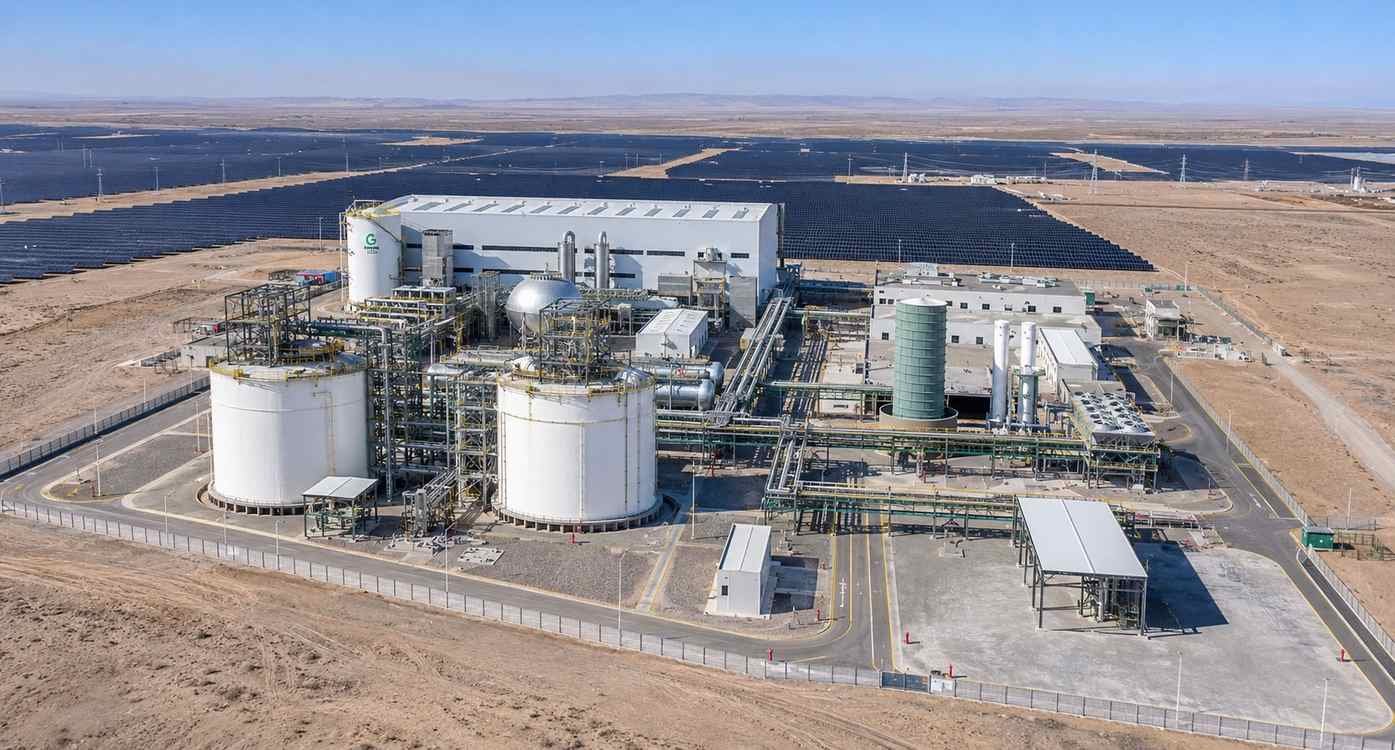
China Switches on World’s Biggest Example of New, Cheap Green Energy Storage
China's new liquid-air energy storage plant is now the world's largest, offering a cheap, green way to store power for when renewables aren't available. This facility can store 600 megawatt-hours of energy, a significant boost for the renewable grid.
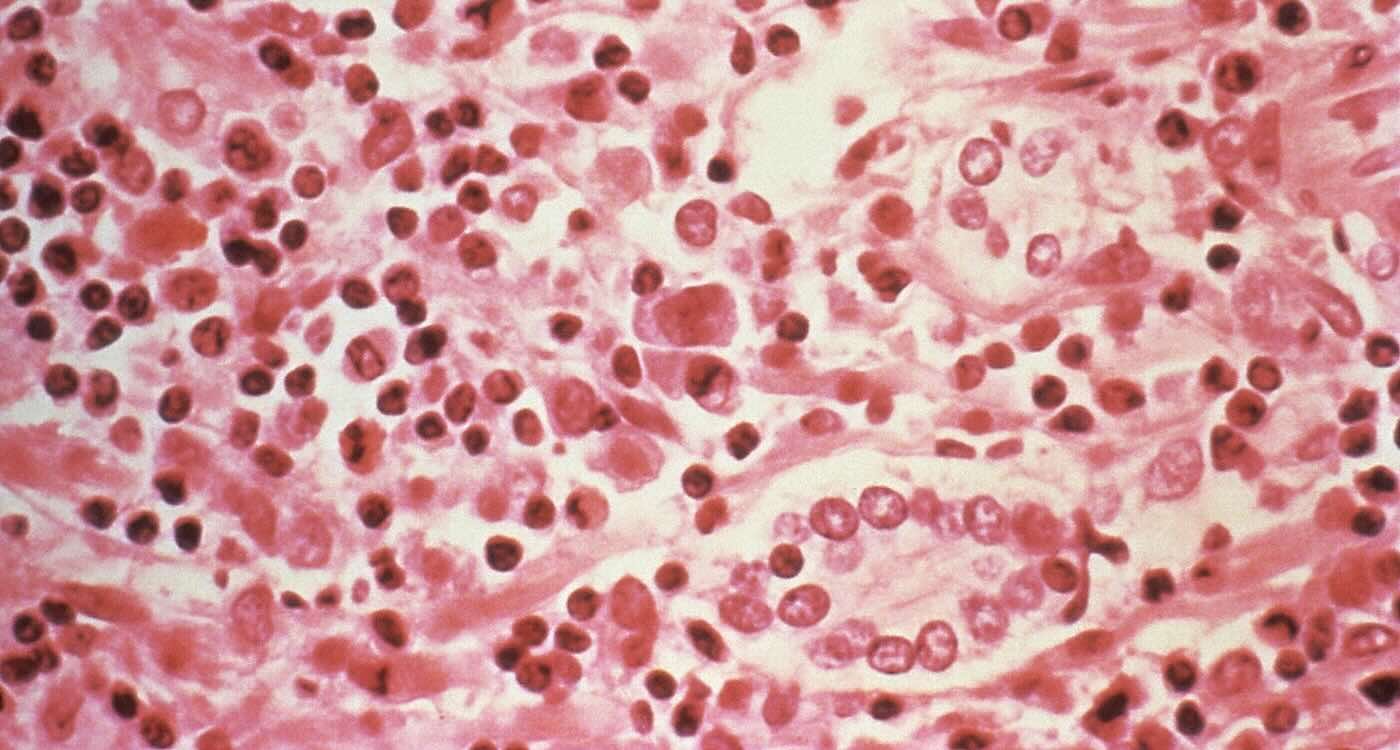
World-First Bone Marrow Transplant Successfully Treats Non-Malignant Disease
World-first! Doctors used bone marrow from a deceased donor to successfully treat a woman’s severe aplastic anemia. This breakthrough offers new hope for patients with non-malignant blood disorders.
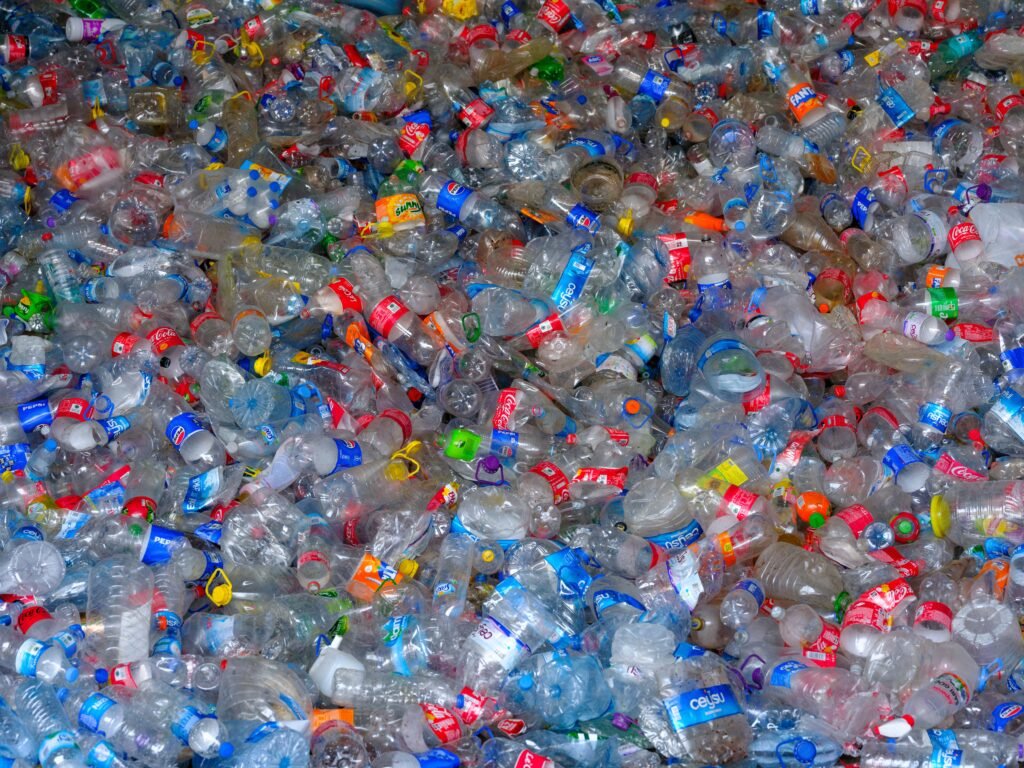
Extended Producer Responsibility Laws Worldwide Now Cover More Than 70 Countries
Over 70 countries now hold companies responsible for their product's waste and recycling. This global shift incentivizes sustainable design and tackles mounting landfill issues.
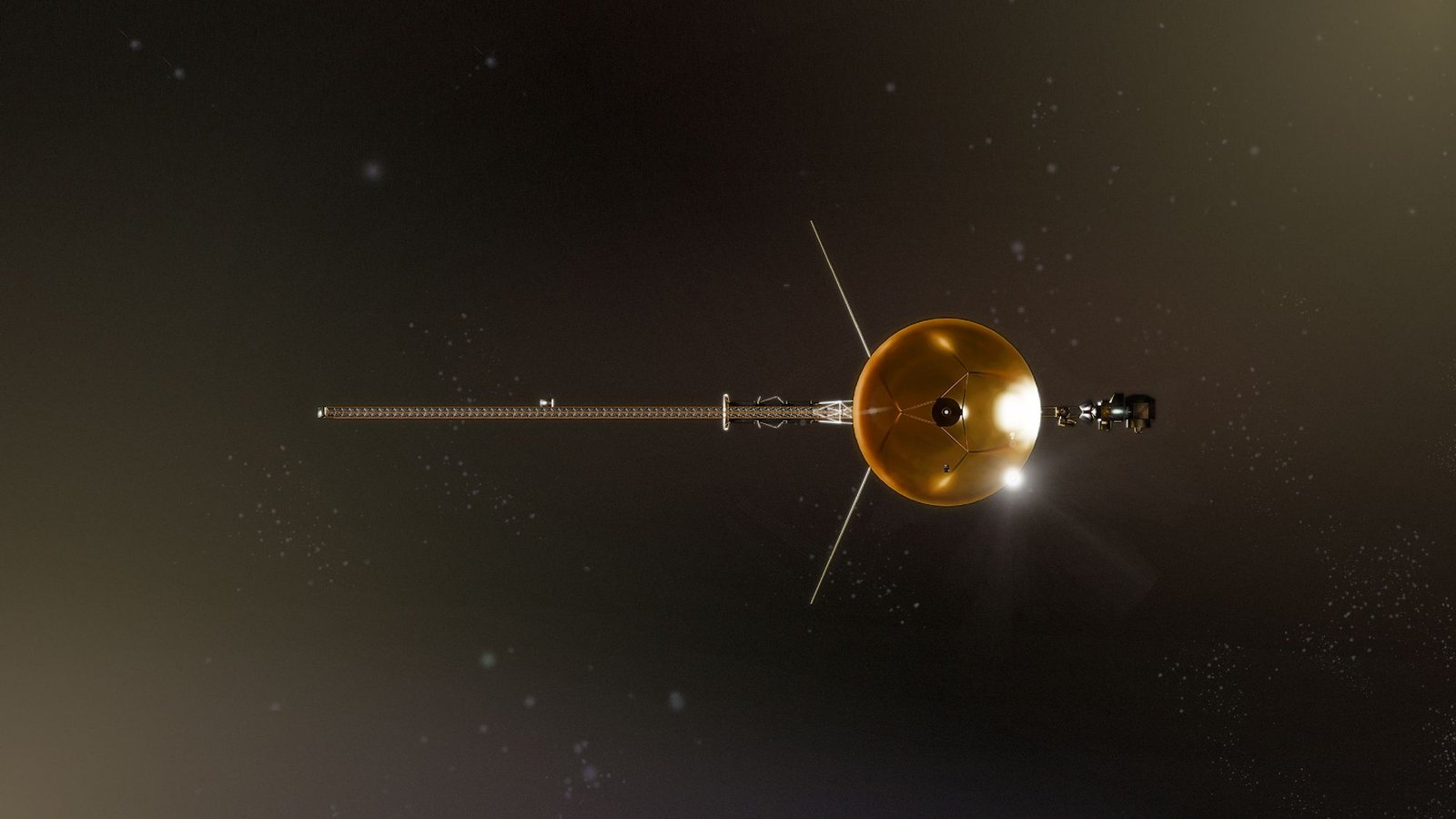
NASA's interstellar Voyager 1 probe is about to reach 1 light-day from Earth after nearly 50 years in space
Voyager 1 is now a full light-day away from Earth, a historic milestone for the nearly 50-year-old probe. This incredible journey highlights humanity's enduring reach into the cosmos.