Edition 1
May 1, 2026
From space potatoes to starry spirals, and a new way to send messages to the past, discover incredible discoveries and life-saving breakthroughs!
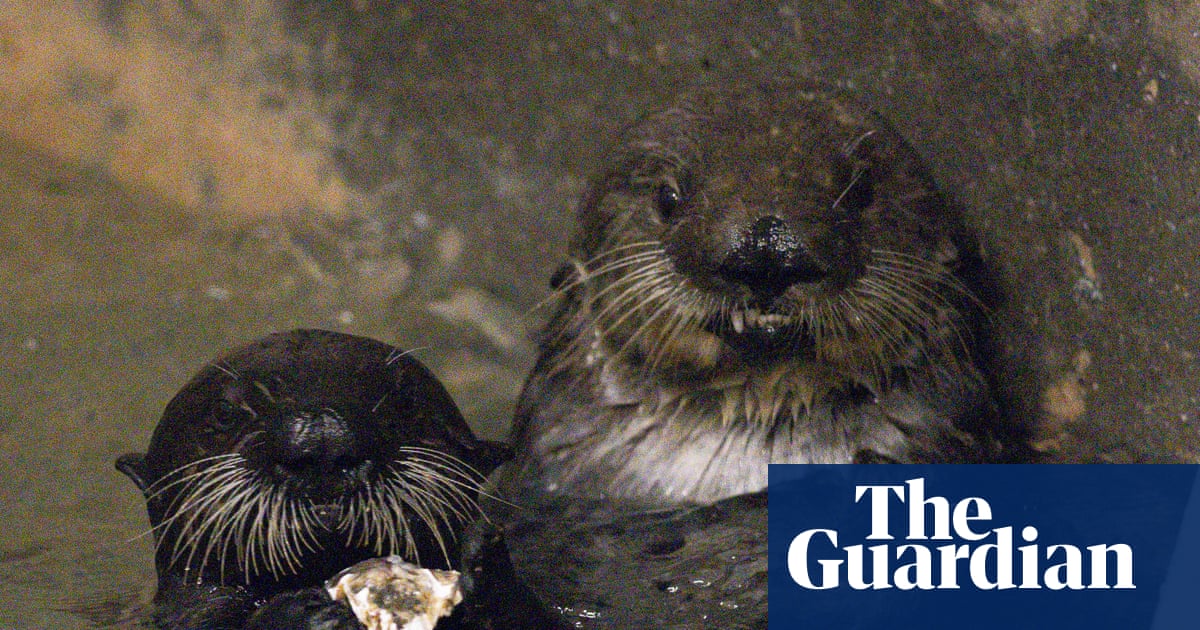
Mother knows best as sea otter adopts orphaned pup at California aquarium
A young sea otter named Rey has become a surrogate mother to orphaned pup Sunny at a California aquarium, teaching her vital survival skills. This heartwarming adoption is part of a program helping the threatened species rebound, with hopes Sunny will one day become a surrogate mom herself.
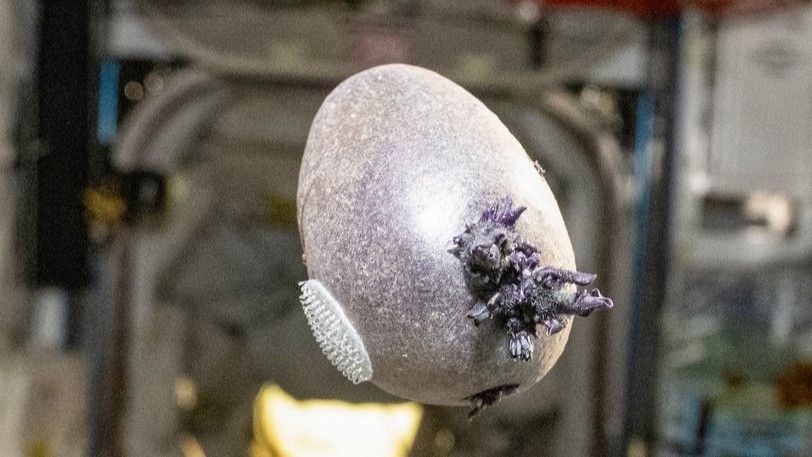
'The Martian' becomes real life: Meet 'Spudnik,' the space potato
"The Martian" became reality as NASA astronaut Don Pettit grew a potato, "Spudnik," on the ISS, hinting at how future astronauts could sustain themselves on long space missions.
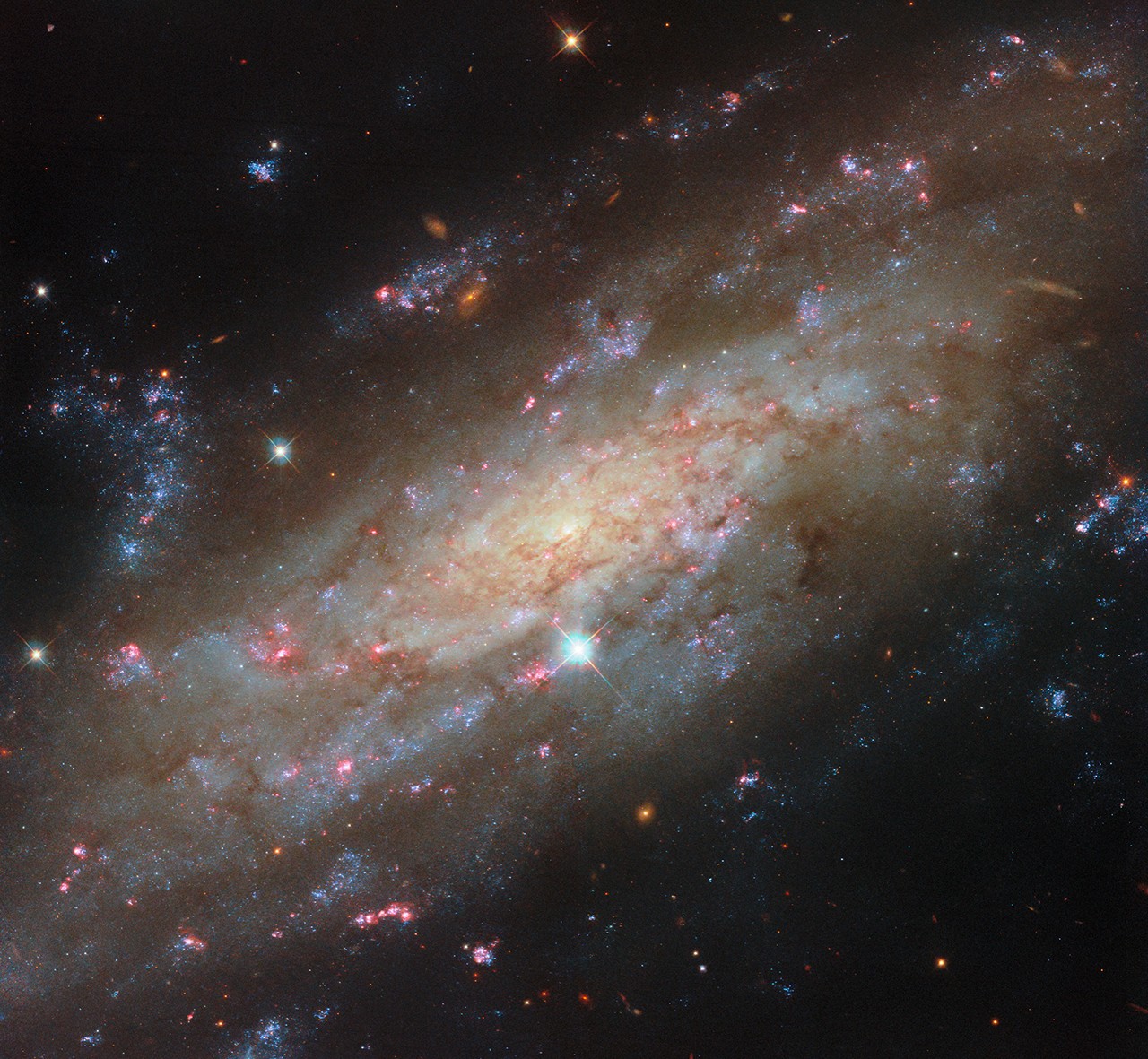
Hubble Spots a Starry Spiral
Hubble unveils a dazzling spiral galaxy, NGC 3137, sparkling with star clusters! This cosmic view helps scientists unravel stellar evolution and understand galaxy groups similar to our own.
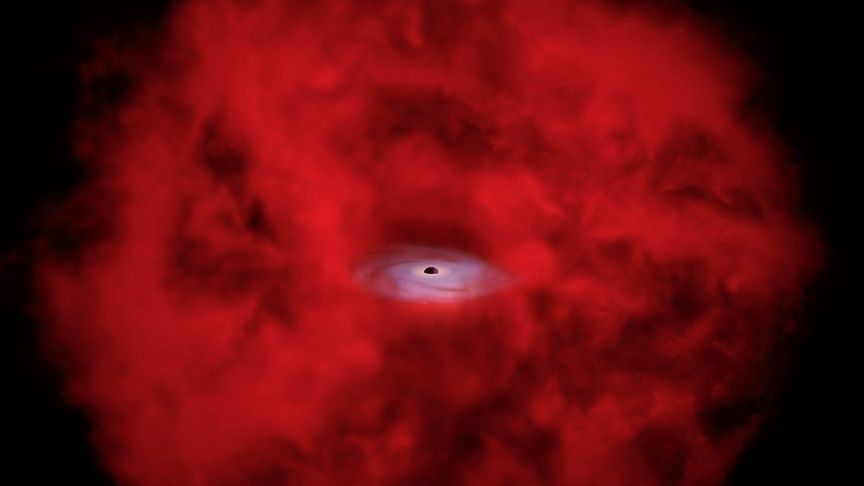
James Webb Space Telescope's strange little red dots may really be 'black hole stars', X-ray data suggests
New X-ray data suggests the James Webb Telescope's mysterious 'little red dots' are 'black hole stars' – huge gas clouds hiding rapidly growing supermassive black holes. This discovery could be a crucial missing link in understanding how early galaxies and their black holes formed.

We have figured out a new way to send messages into the past
Scientists have theoretically devised a new way to send messages into the past using quantum physics. Surprisingly, even noisy messages sent backwards in time could be *more* effective than conventional communication!

Simple treatment tweak drastically reduces blood loss from severe cuts
Scientists developed a simple tweak to red blood cells, creating super-fast, durable clots in just 5 seconds. This drastically reduces blood loss from severe wounds, offering a revolutionary solution for surgery.

The chips in your phone are probably broken – and that's a good thing
Tech companies often reuse chips with minor defects—a practice called "binning"—to cut costs and waste. Your devices are still perfect, thanks to smart design!

We may finally have a cure for many different autoimmune conditions
A groundbreaking CAR T-cell therapy, previously used for cancer, is showing "miraculous" success against autoimmune diseases. It targets rogue immune cells, offering hope for a cure for millions.

10,000 new planets found hidden in NASA telescope data
Scientists just uncovered over 10,000 new candidate planets hidden in NASA telescope data, the largest single discovery ever! If even a fraction are confirmed, it would significantly boost our understanding of how planets form.