Edition 138
October 16, 2026
Green innovations, wildlife conservation, poverty reduction, resilient communities, and scientific breakthroughs offer hope!

Bamboo takes root as plastic alternative in China
Bamboo is emerging as a sustainable powerhouse, replacing plastics in packaging and everyday items. China's booming bamboo industry offers a cost-effective, eco-friendly alternative for a greener future.
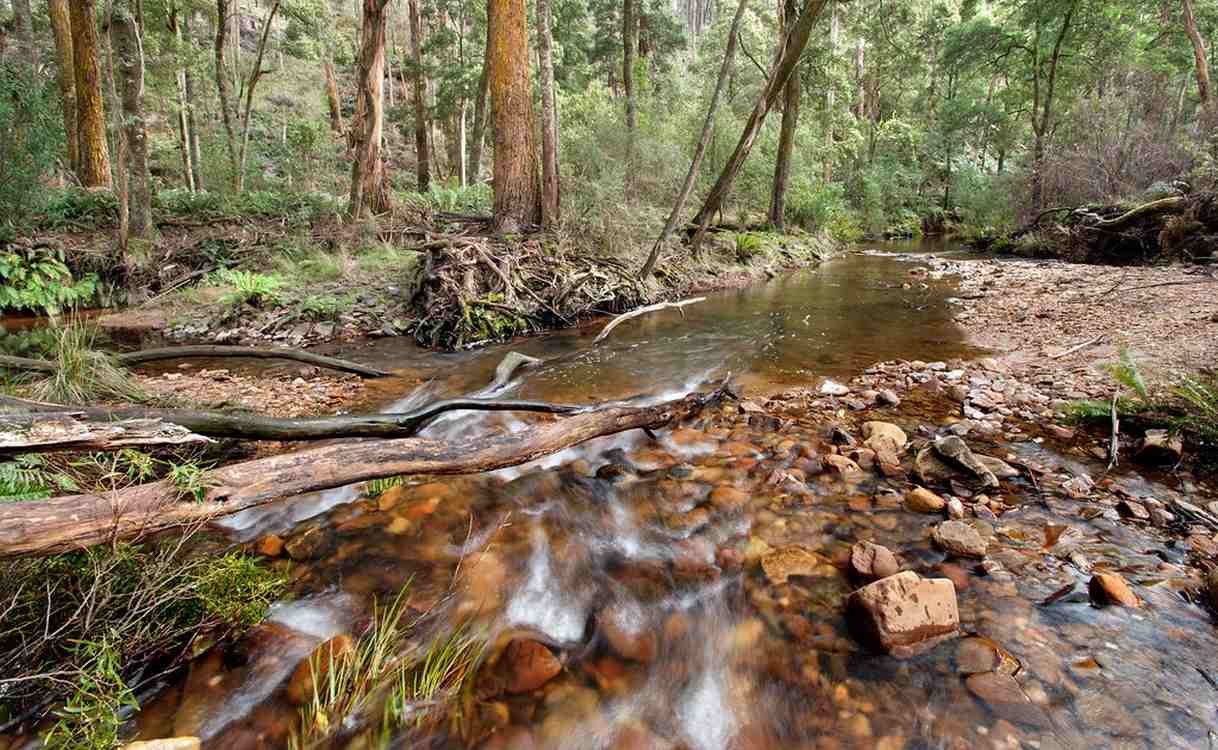
Australia Announces 3 New National Parks to Protect Gliders, Owls, and Other Victoria Wildlife
Australia just created three massive new national parks in Victoria, protecting vital habitats for gliders, owls, and countless other native species. This is a huge win for conservation and a testament to years of community advocacy.
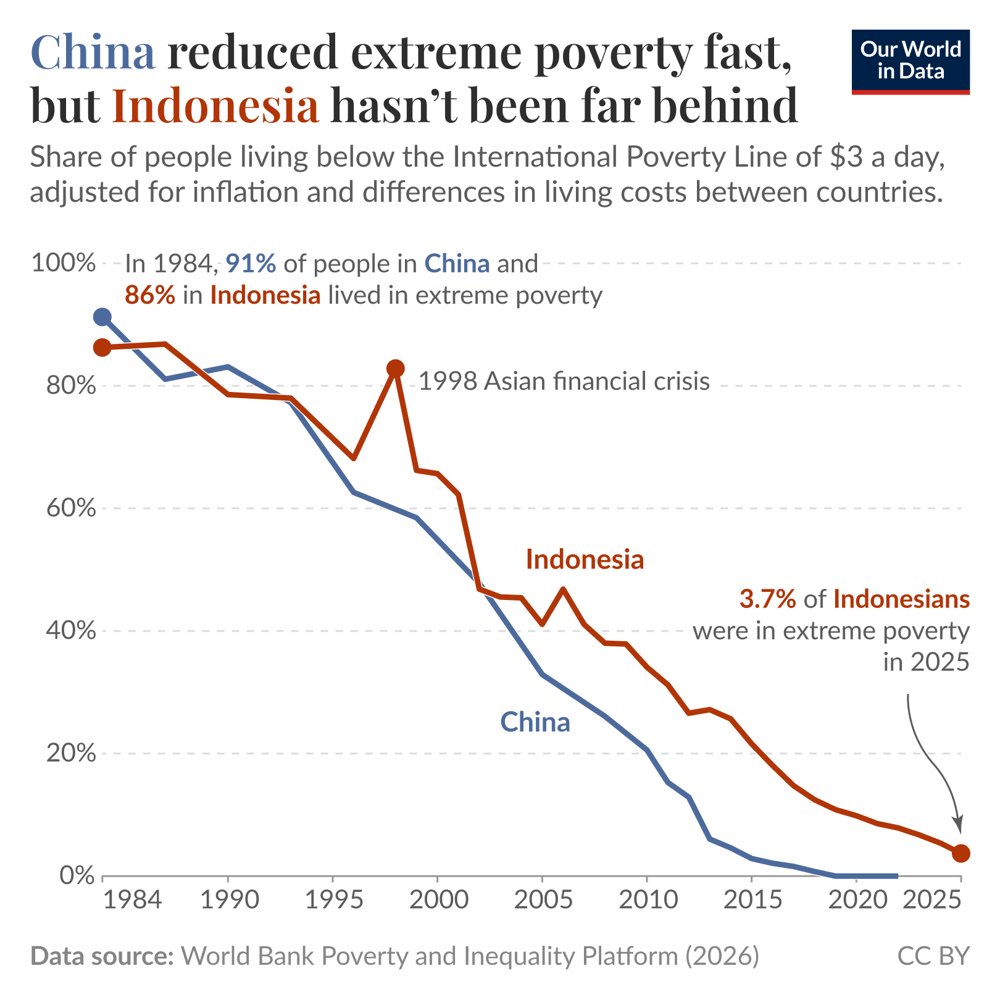
China reduced extreme poverty fast, but Indonesia hasn’t been far behind
China dramatically reduced extreme poverty, but Indonesia has achieved impressive gains too, lifting millions out of hardship. This means that while China is a poverty reduction success, Indonesia is not far behind, also showing significant progress.
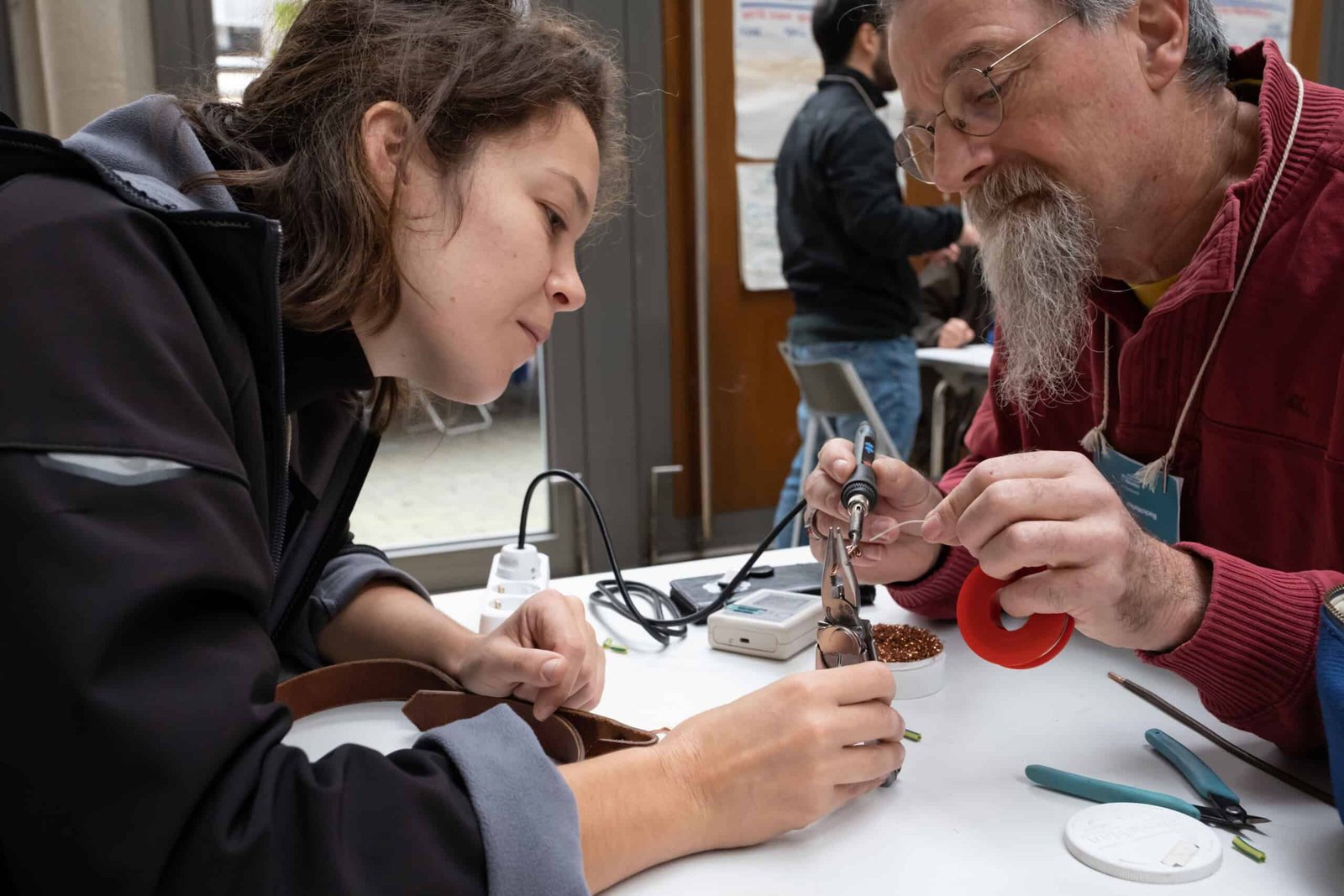
In Ukraine, the repair movement is heading underground
Ukrainian repair festival moves underground to continue teaching vital skills amidst ongoing conflict. This resilient community shows how repairing things and restoring life can be a powerful act of hope.
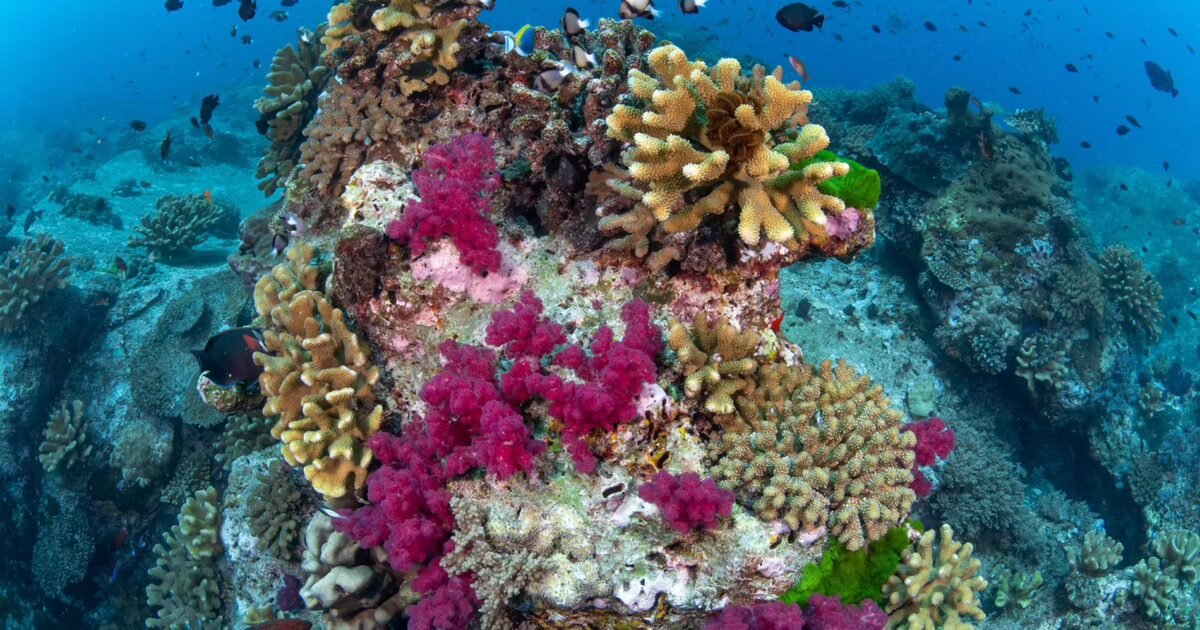
Stanford scientists discover a way to reverse coral bleaching at record speed
Stanford scientists discovered bleached corals can fully recover in weeks through brief contact with healthy ones! This breakthrough offers new hope for rapidly restoring coral reefs worldwide.