Edition 131
October 7, 2026
Nobel chemistry wins, groundbreaking health discoveries, nuclear clocks, and leaping genes make for an amazing science digest!
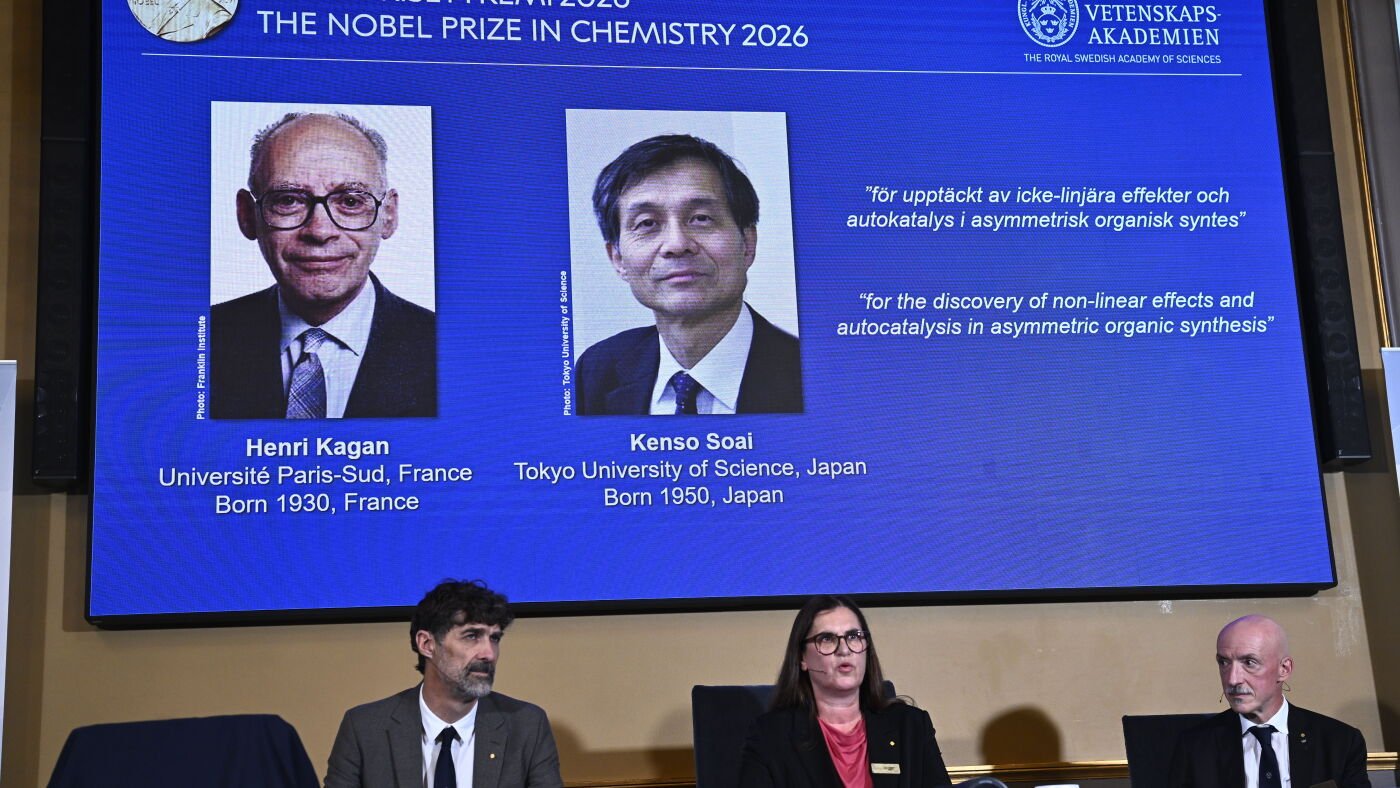
Henri B. Kagan and Kenso Soai win Nobel Prize in chemistry
Nobel Prize in Chemistry goes to Henri B. Kagan and Kenso Soai for unlocking a century-old chemical mystery! Their work revolutionizes drug manufacturing with spectacular reactions.

Saudi Solar Park Proves Brilliant Breeding Ground for Threatened Sand Gazelles
Saudi Arabia's solar farms are providing a safe haven for endangered sand gazelles! These protected pastures are helping to boost the wild population and support conservation efforts.
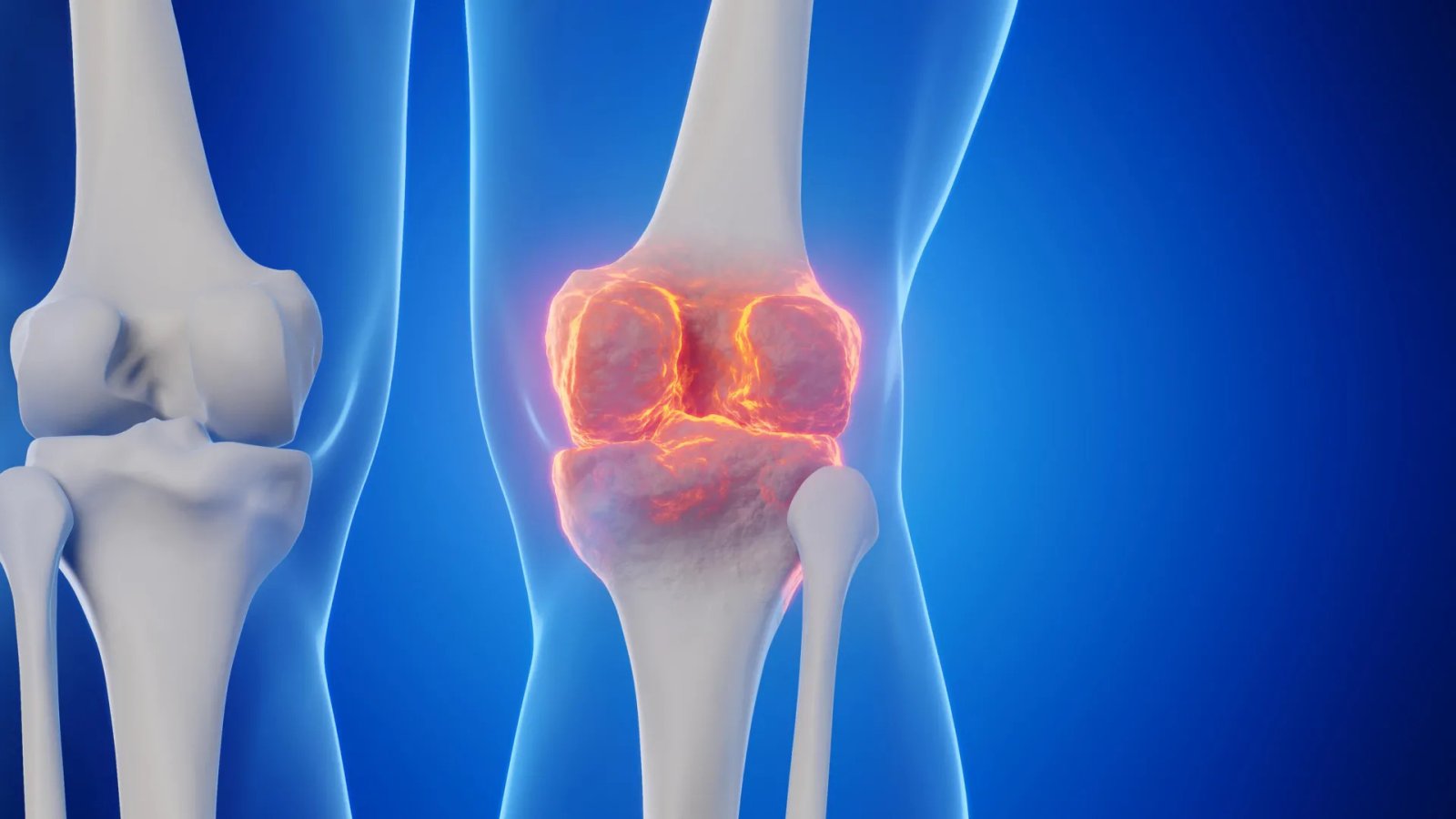
Stanford scientists found a way to regrow cartilage and stop arthritis
Stanford scientists found a way to reverse cartilage loss and protect against arthritis in mice by blocking a specific protein. This breakthrough shows promise for regenerating cartilage in humans, potentially reducing the need for joint replacement surgery.
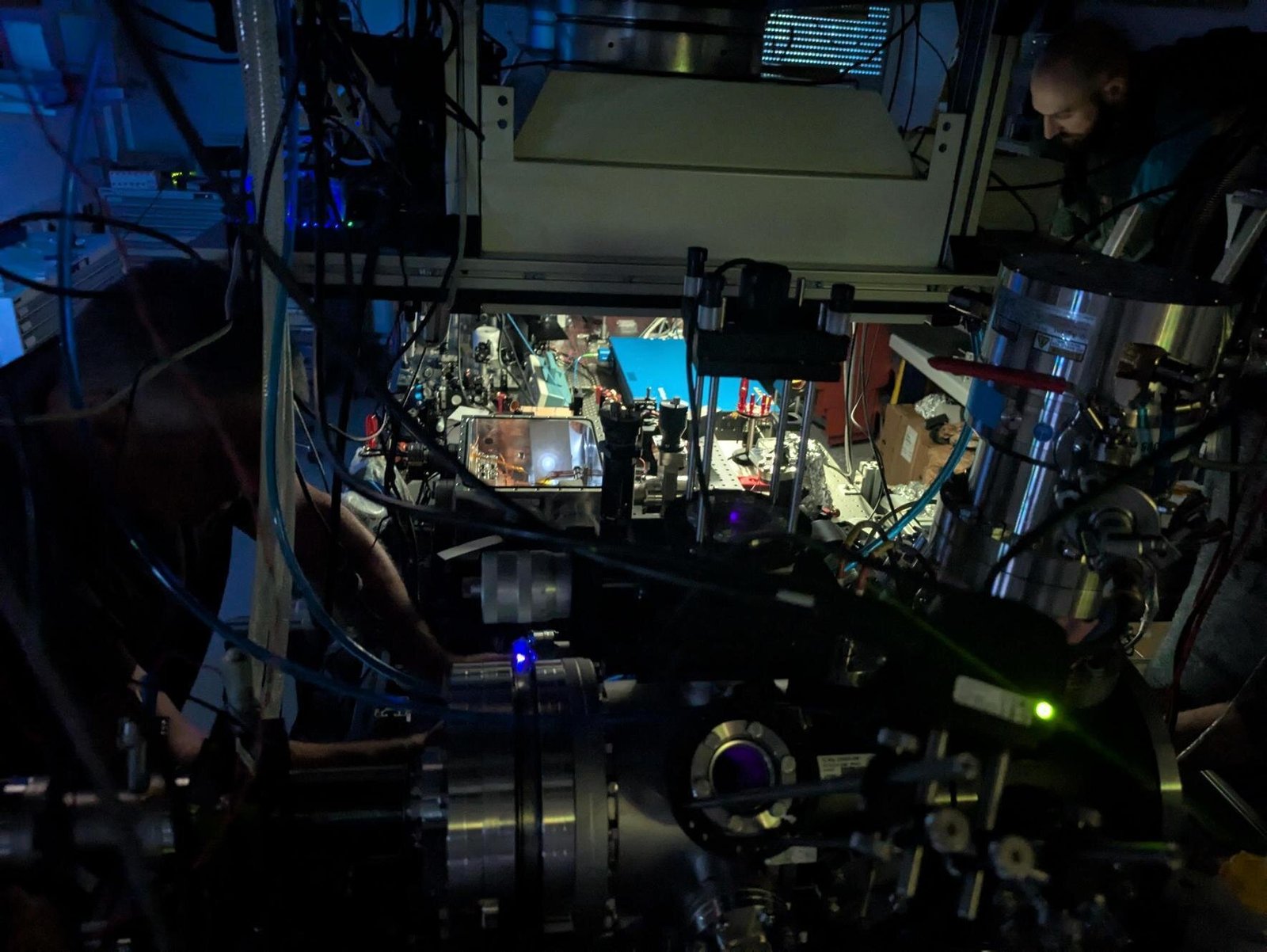
The first stand-alone nuclear clock is ticking in Vienna
Vienna unveils the world's first self-stabilizing nuclear clock, potentially revolutionizing timekeeping and scientific measurement. This breakthrough uses thorium nuclei for unprecedented precision, a leap beyond traditional atomic clocks.
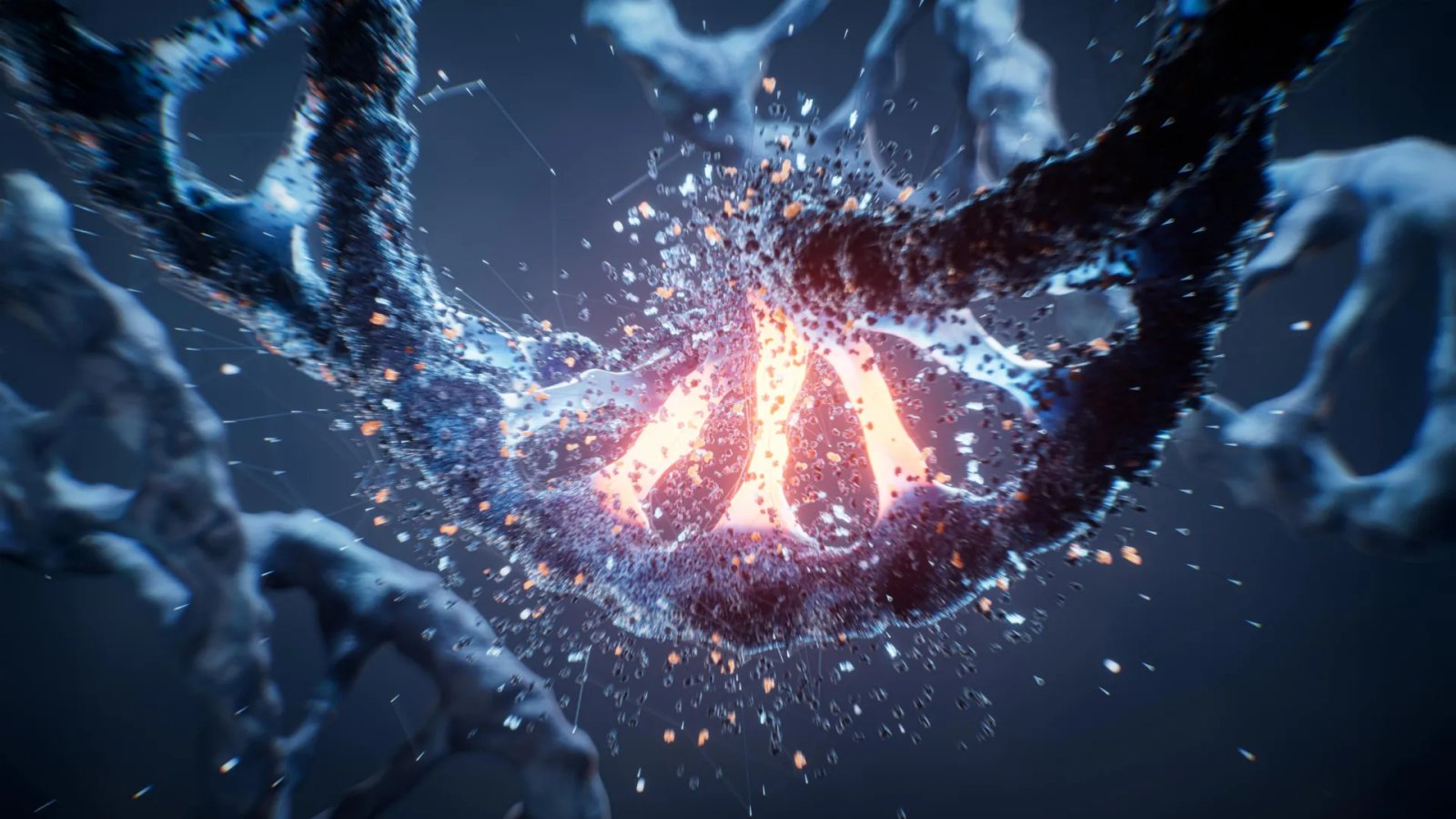
Scientists discover a human brain gene that can jump through DNA
Scientists found a unique human brain gene that can still move and copy itself within DNA, a trait previously thought to be lost in functional genes. This "jumping gene" may play a role in brain function and even diseases like cancer.