Edition 150
November 3, 2026
Pioneering science, conservation wins, and vital health access headline this inspiring good news digest!
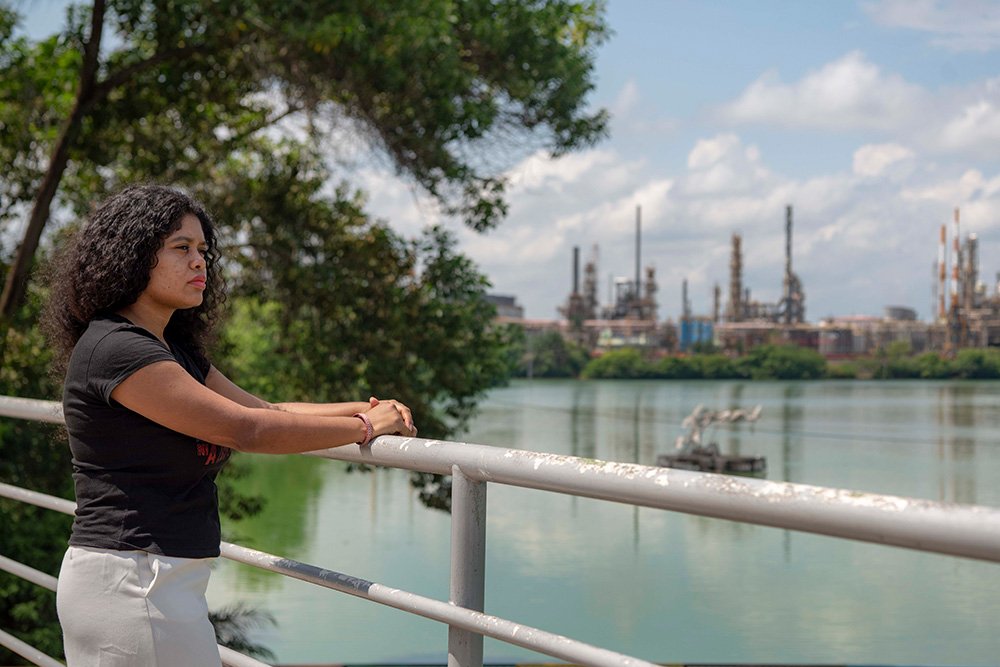
Goldman Prize Honors Young Activist for Stopping Fracking in Colombia’s Magdalena River Towns
A young activist's grassroots campaign, fueled by community action and legal challenges, has successfully halted fracking projects in Colombia's Magdalena River towns. This victory secures vital environmental protections and establishes a precedent for community rights in resource-rich regions.
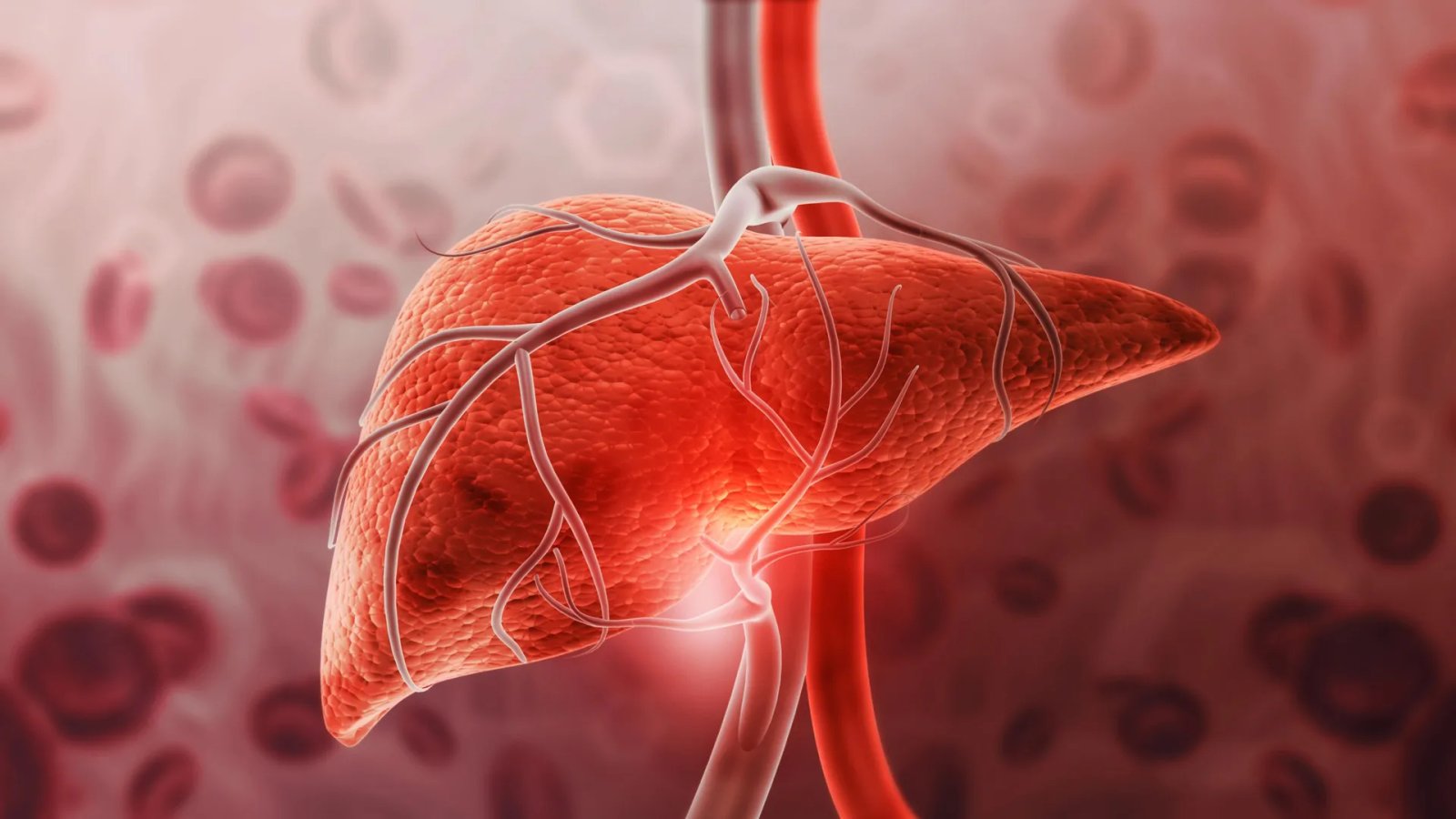
Scientists reverse liver cell aging and cut Alzheimer’s-linked protein in half
Scientists reversed liver cell aging in rats, halving Alzheimer's-linked protein levels. This breakthrough could offer a new treatment pathway for age-related diseases.
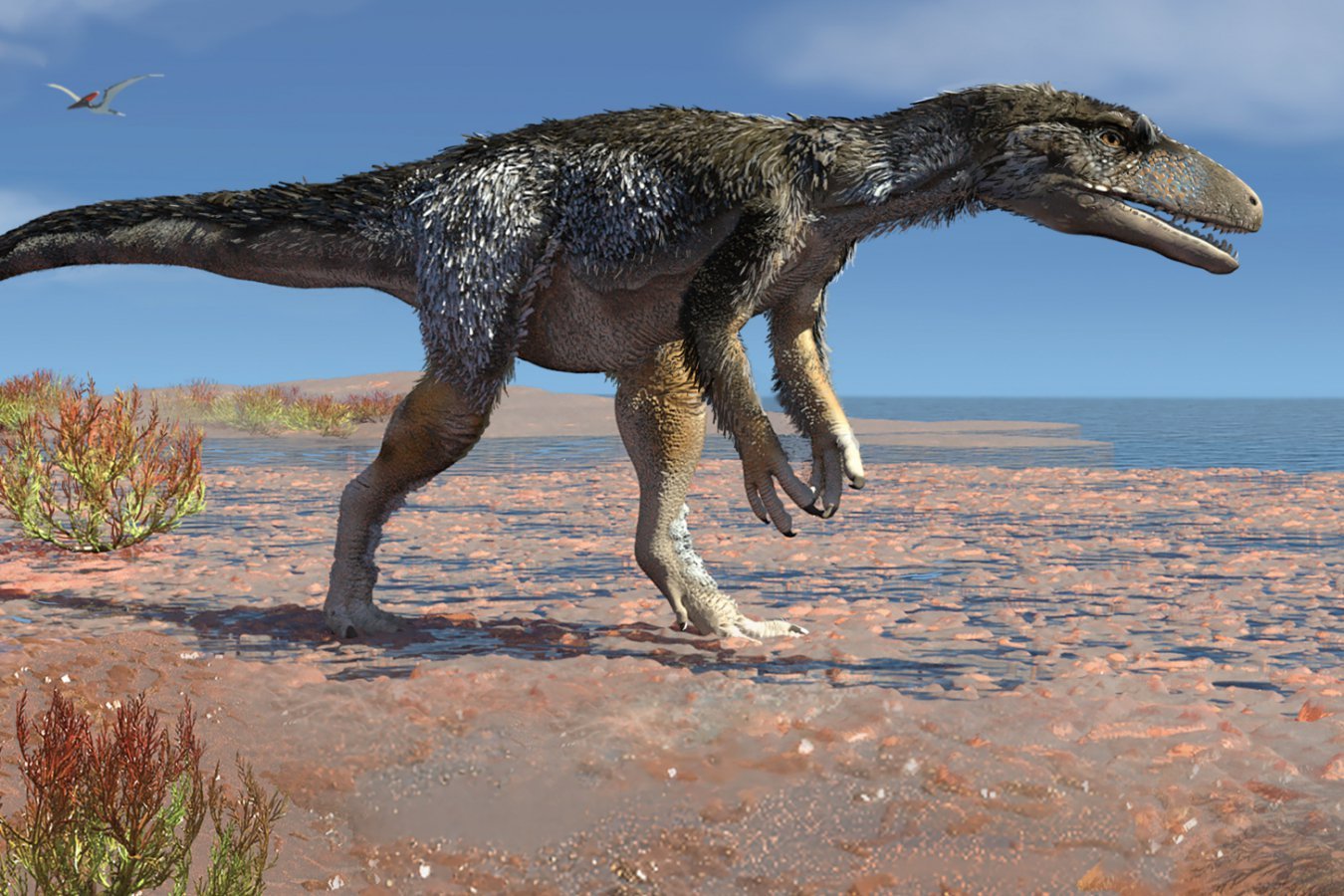
Dinosaur red blood cells recovered from 115-million-year-old fossil
115-million-year-old fossil fragments reveal incredibly preserved dinosaur red blood cells. This groundbreaking discovery could unlock secrets hidden in countless unassuming museum specimens.
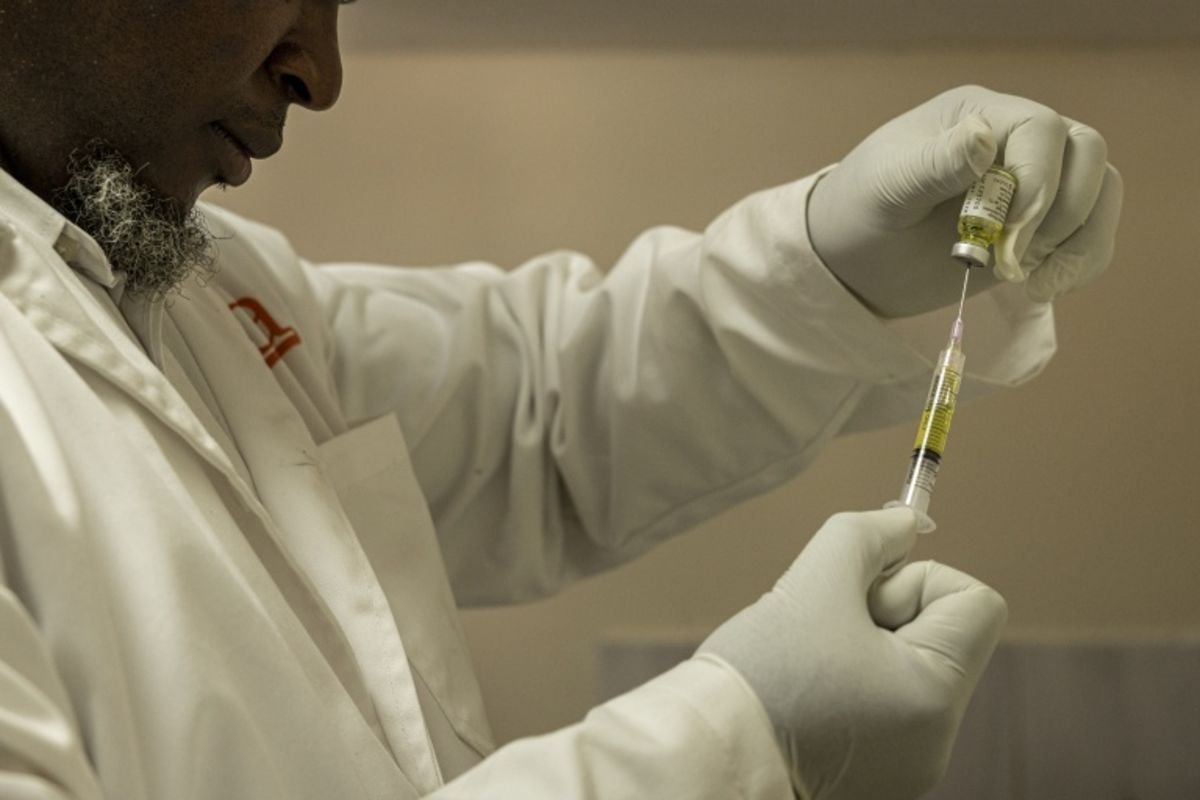
US FDA approves low-cost generic of breakthrough HIV shot for low-income countries
A crucial HIV prevention shot is now approved for a low-cost generic version, making it accessible for $40 a year in poorer nations. This breakthrough offers nearly 100% protection with just two injections annually.
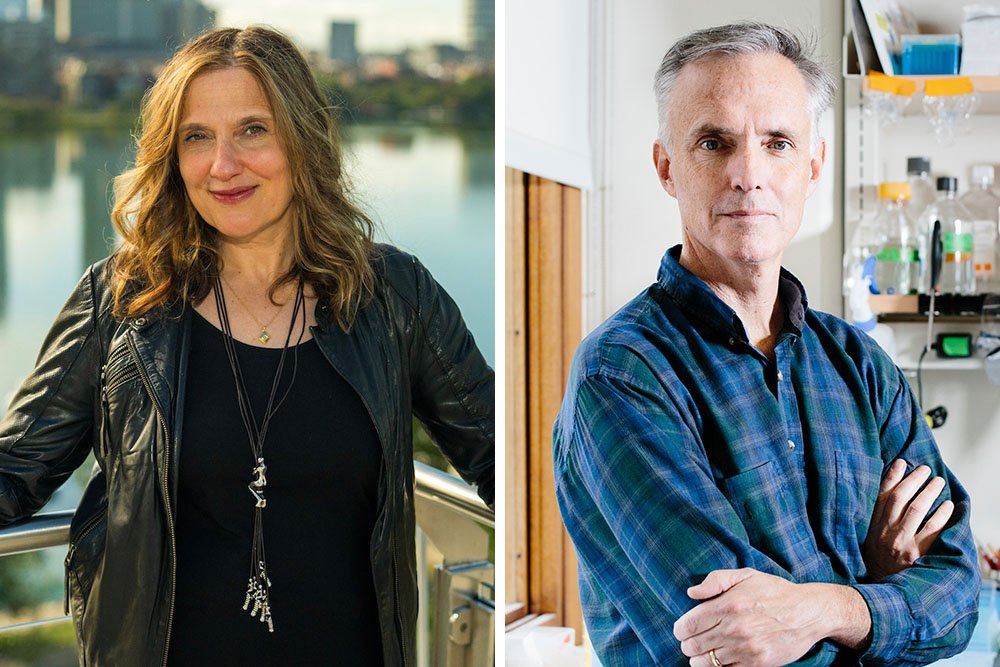
Regina Barzilay and Jim Collins win Pritzker Prize for AI and Science Research Excellence for work in AI-enabled antibiotic discovery
AI innovators revolutionized antibiotic discovery, speeding up the identification of drugs to combat superbugs. Their pioneering work promises a new era of lifesaving medications against resistant pathogens.