Edition 139
October 19, 2026
Discover ancient shipwrecks, planet-cooling soil tech, lead pollution bans, sight-restoring gene therapy, and declining child mortality worldwide!
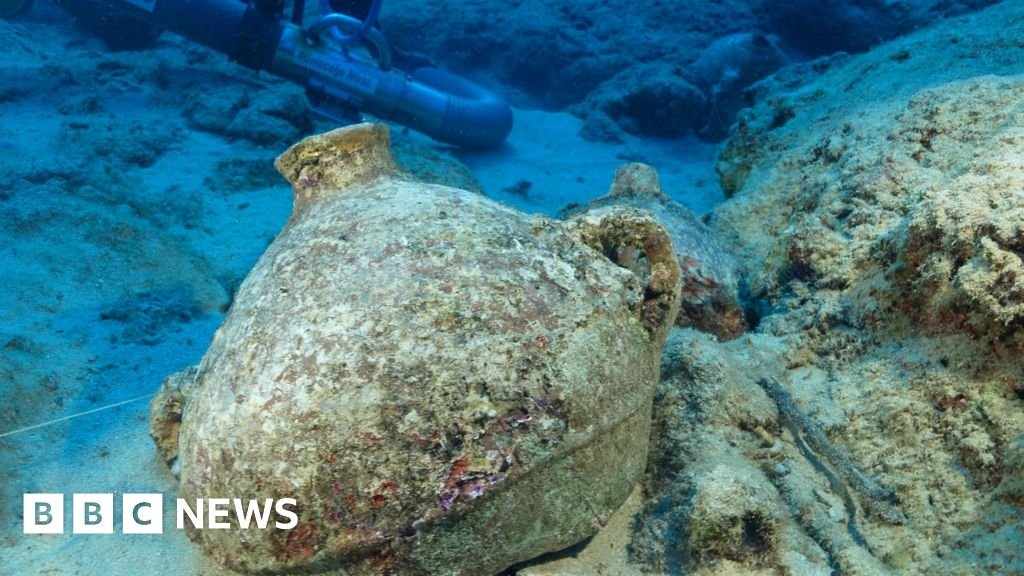
World's oldest shipwreck found off Kekova Island in Turkey
Uncovered off Turkey's coast: the world's oldest shipwreck, dating back 4,400 years! This Bronze Age trading vessel's ceramic pots still hold secrets from its ancient Mediterranean voyage.
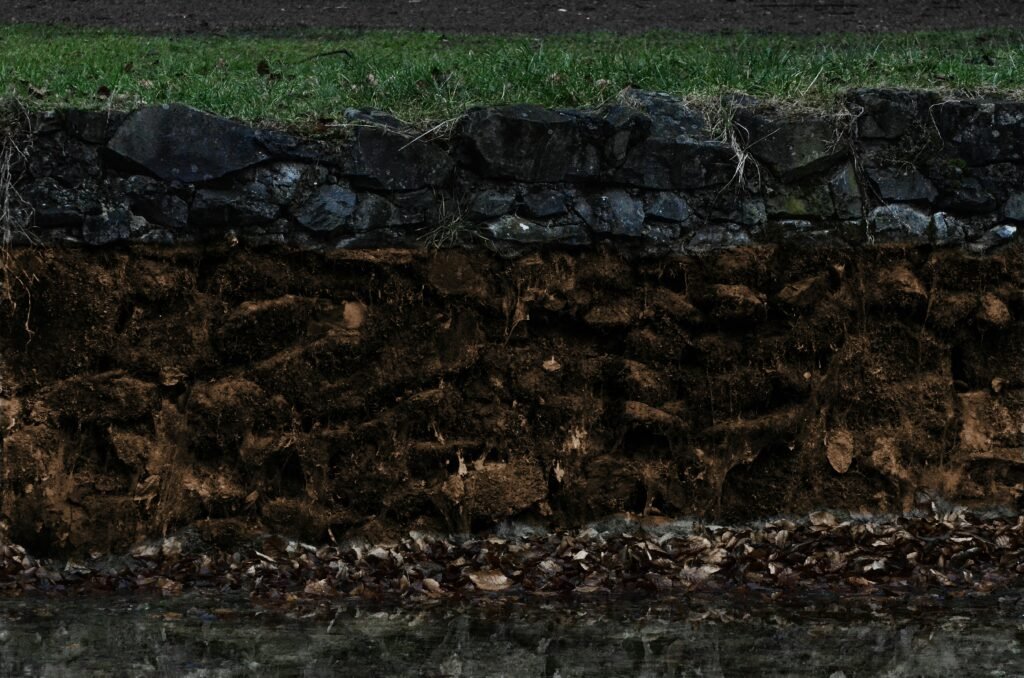
The Soil Carbon Sponge Opens a New Path to Cooling the Planet
Healthy soil acts like a "sponge" that regulates Earth's temperature by managing water and evaporation. Restoring this natural cooling mechanism can significantly help combat climate change, complementing efforts to cut emissions.
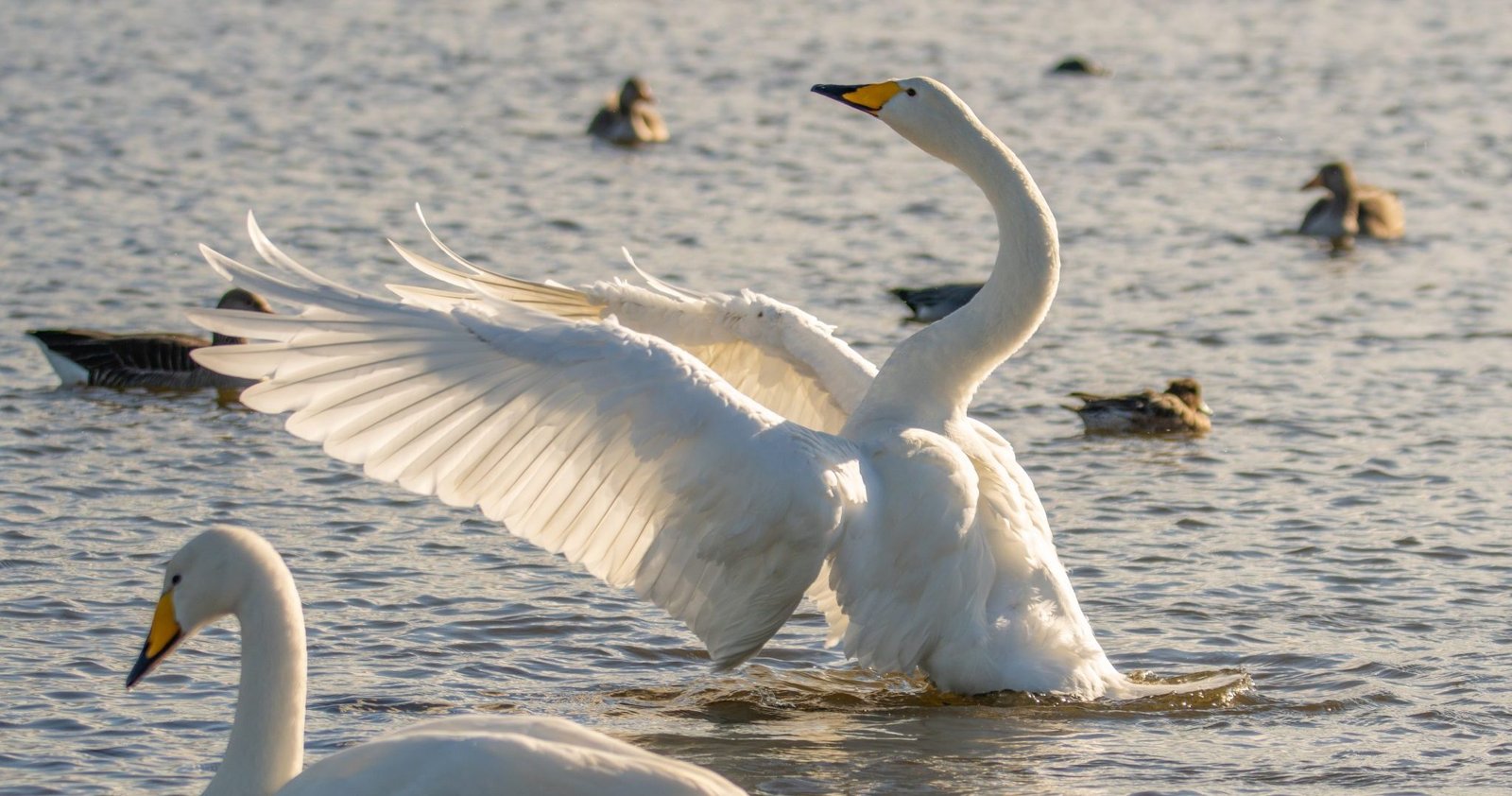
Lead gunshot will finally be banned across the EU – ending the largest remaining source of lead pollution from hunting and shooting
Europe just voted to ban lead gunshot nationwide, ending a major source of pollution and protecting millions of birds and children. This historic decision comes after years of advocacy and scientific evidence highlighting lead's toxicity.
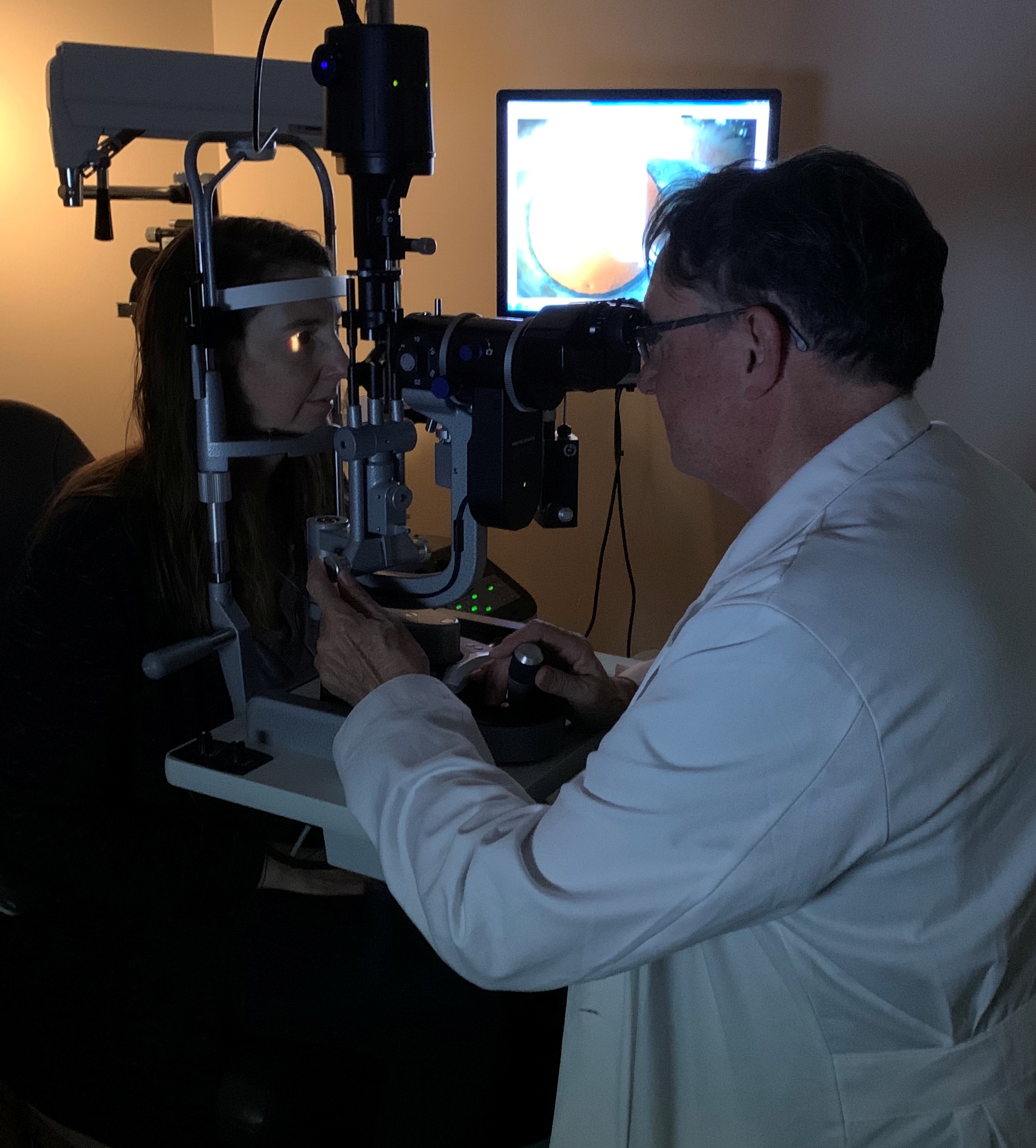
Gene Therapy Goggles Help Blind Adults Detect Objects
New gene therapy goggles and an eye injection are helping blind adults regain the ability to detect objects! This breakthrough offers hope for those with untreatable genetic eye diseases.
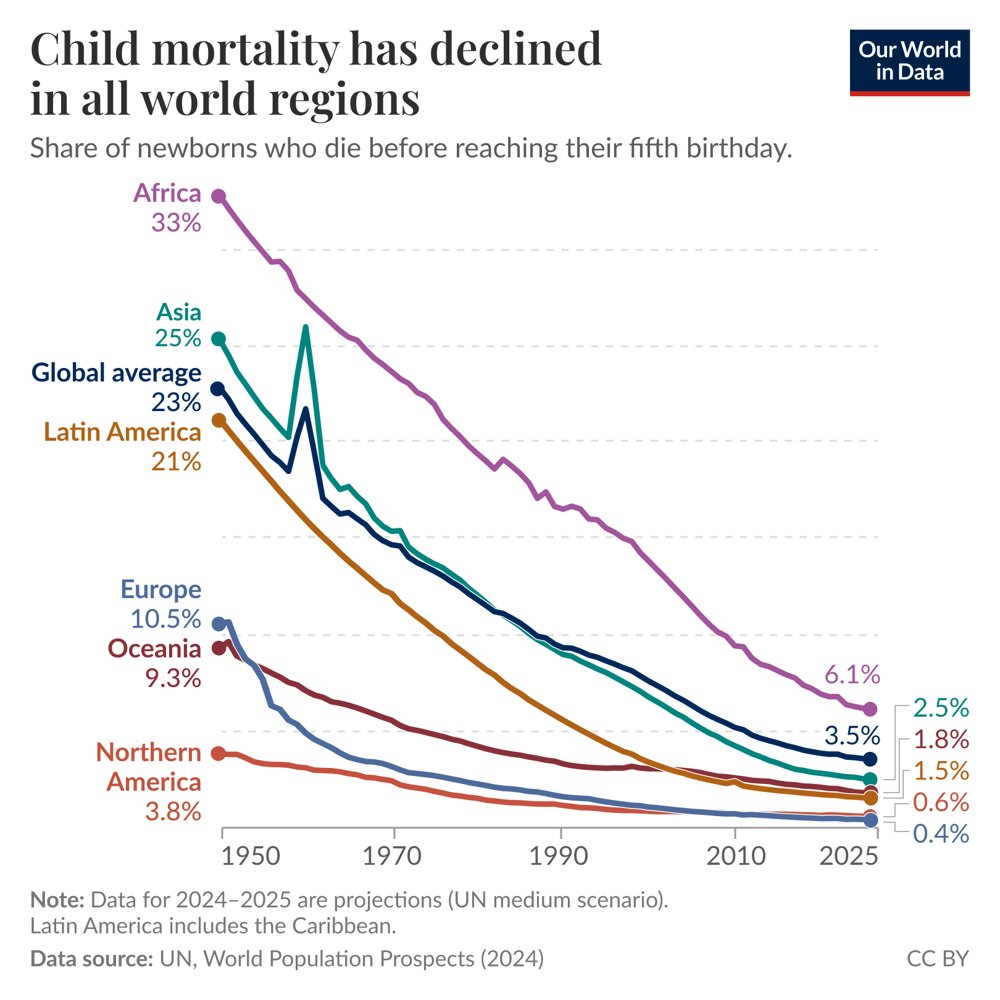
Child mortality has declined in all world regions
Child mortality has plummeted globally, saving millions of young lives since 1950. Despite immense progress, 4.7 million children under five still die annually.