Edition 79
July 31, 2026
Discover nature's comeback, ancient mysteries unveiled, and the secrets of lost predators.

East-West border death zone now Germany's biodiversity oasis
Once a fortified "death strip," Germany's former East-West border is now a thriving "Green Belt," a 1,400km nature reserve teeming with rare species and ecosystems. This historic barrier has transformed into a vital biodiversity hotspot, protecting thousands of plant and animal species, including many at risk of extinction.
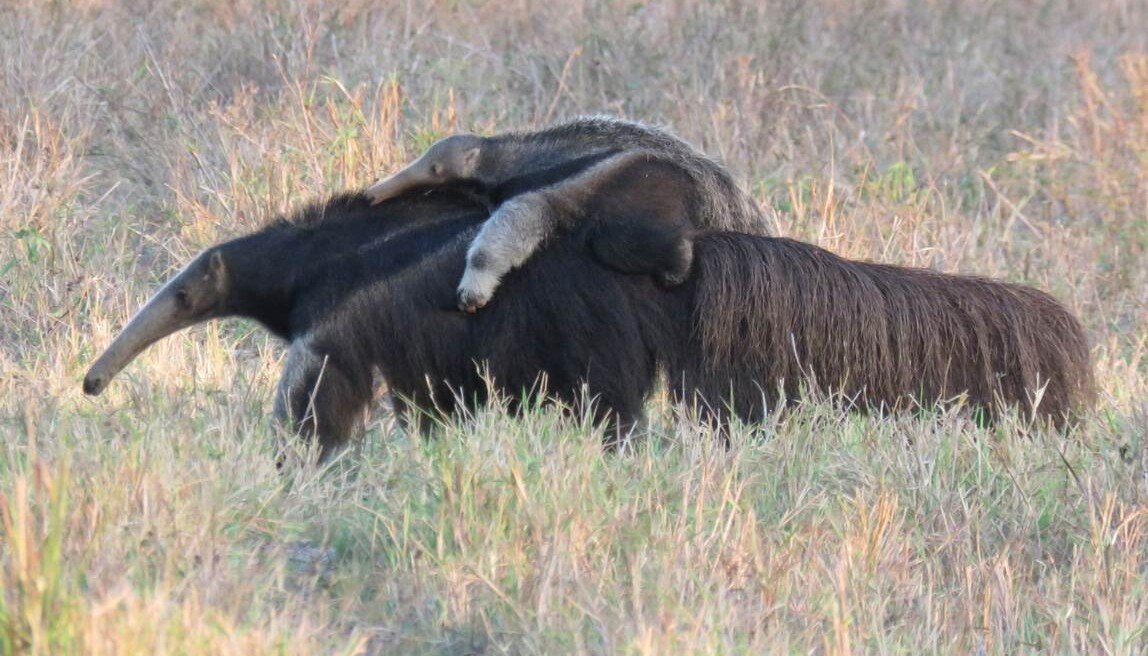
The World’s First Giant Anteater Reintroduction Appears to Be Succeeding in South America
Giant anteaters are thriving in Brazil's Iberá Wetlands after a successful reintroduction program! The population has grown from zero to 200 since 2007.
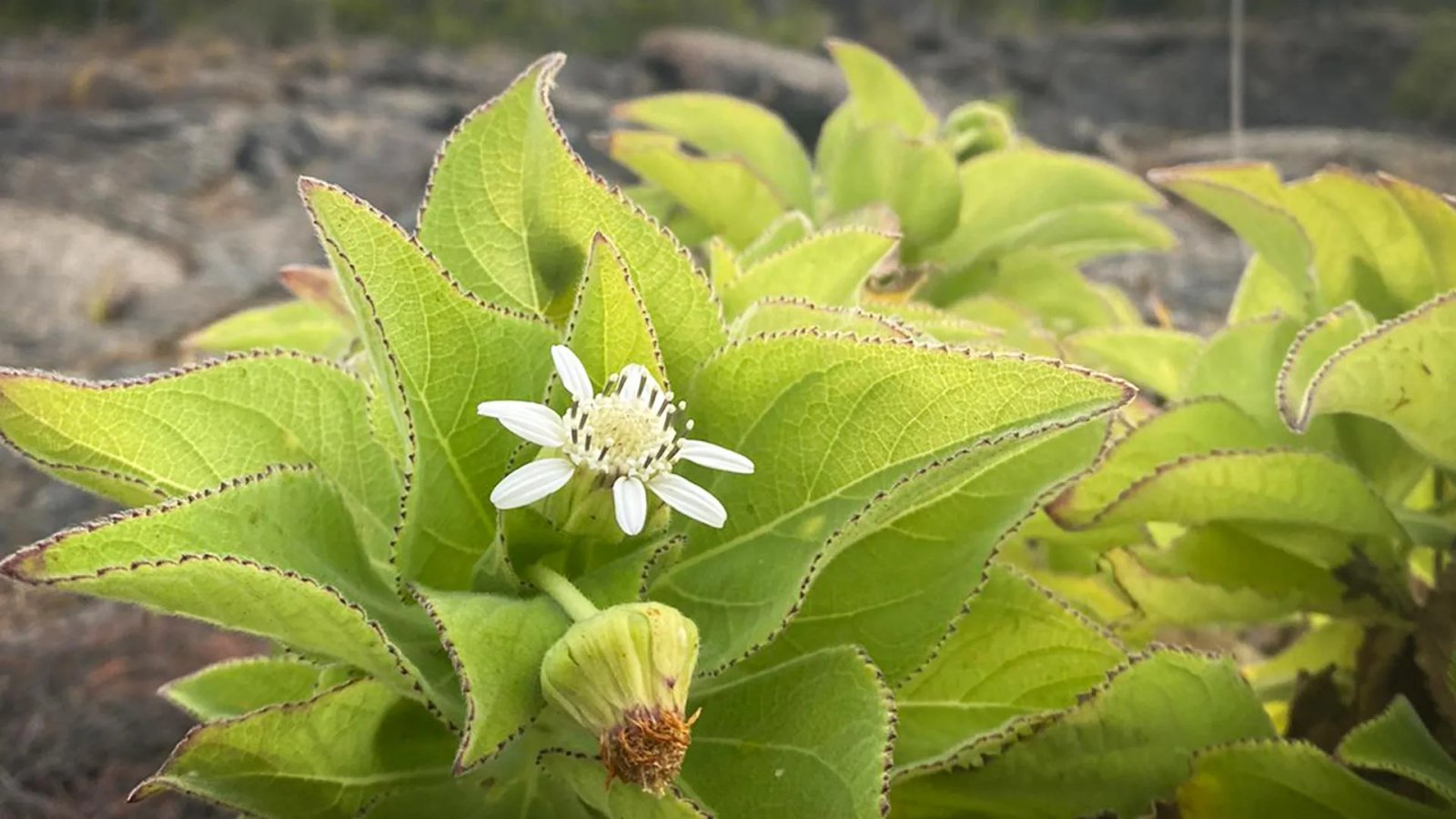
Scientists found evolution repeating itself in the Galápagos Islands
Evolution repeats itself on the Galápagos, with plants developing similar traits through different genetic pathways. This "parallel evolution" shows nature's creative solutions to environmental challenges, and new species may even be forming now.
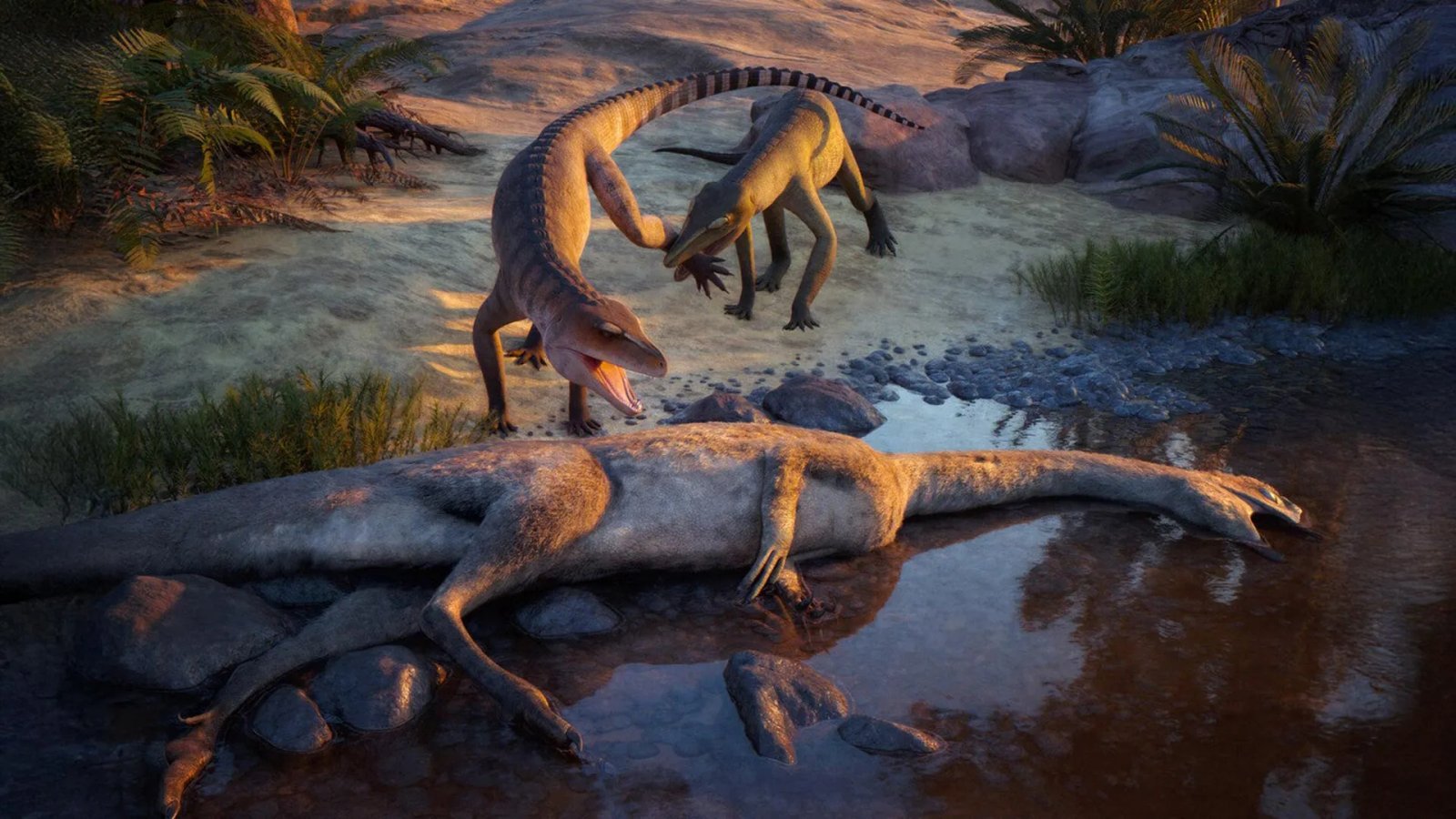
A forgotten fossil just revealed a new Triassic predator from 210 million years ago
A forgotten fossil has revealed Eosphorosuchus lacrimosa, a new Triassic land predator that lived 210 million years ago. This proto-crocodile, with its unique skull, suggests early diversification in crocodile relatives.
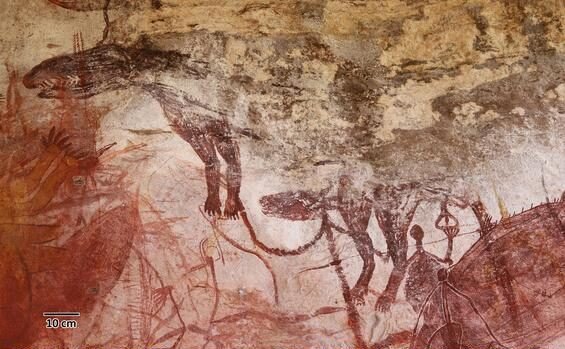
Tasmanian Tiger Rock Art in Arnhem Land Offers New Clues About Australia’s Lost Predators
New rock art in Arnhem Land reveals Tasmanian tigers may have survived on mainland Australia longer than previously believed. These ancient paintings offer crucial insights into Indigenous knowledge and Australia's lost predators.