Edition 154
November 9, 2026
Discover climate leaders, animal election wins, conservation efforts, an autism app, and cutting-edge tech!

TIME Reveals the 2026 TIME100 Climate List
TIME spotlights 100 influential leaders making waves in business climate action. A special dinner in Türkiye will celebrate these game-changers and others driving planet-saving initiatives.
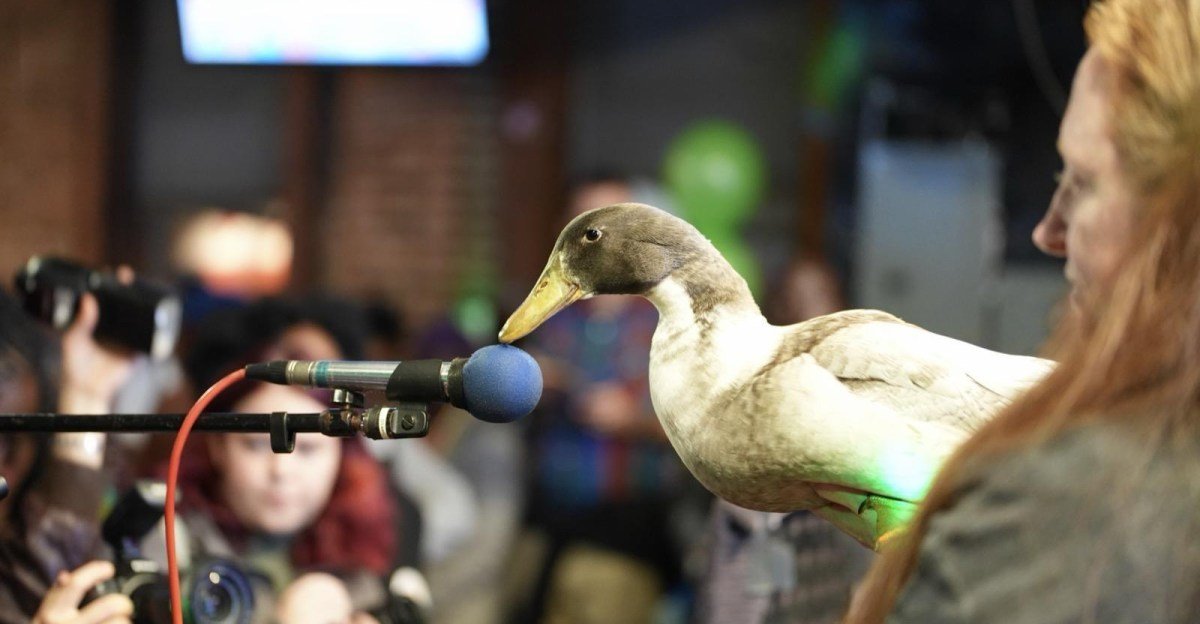
An unexpected winner of the midterm election: Animals
Animal welfare saw significant wins as voters banned foie gras sales and opposed hunting method protections. Key lawmakers opposing farm animal welfare laws also lost their seats.

People Around the World Help Buy Royal Estate for Wildlife Conservation
Global donations secured an 800-year-old noble estate for wildlife conservation, creating a vital nature corridor. Thousands of supporters united to protect this biodiverse landscape and its unique inhabitants.

Interpreting Autistic Cues Is Difficult, a Teen Built an App That’s Helping Hundreds of Families
A teen built a free AI app to help families understand autistic children's emotional cues. Now used by hundreds globally, it empowers caregivers instead of trying to change the child.
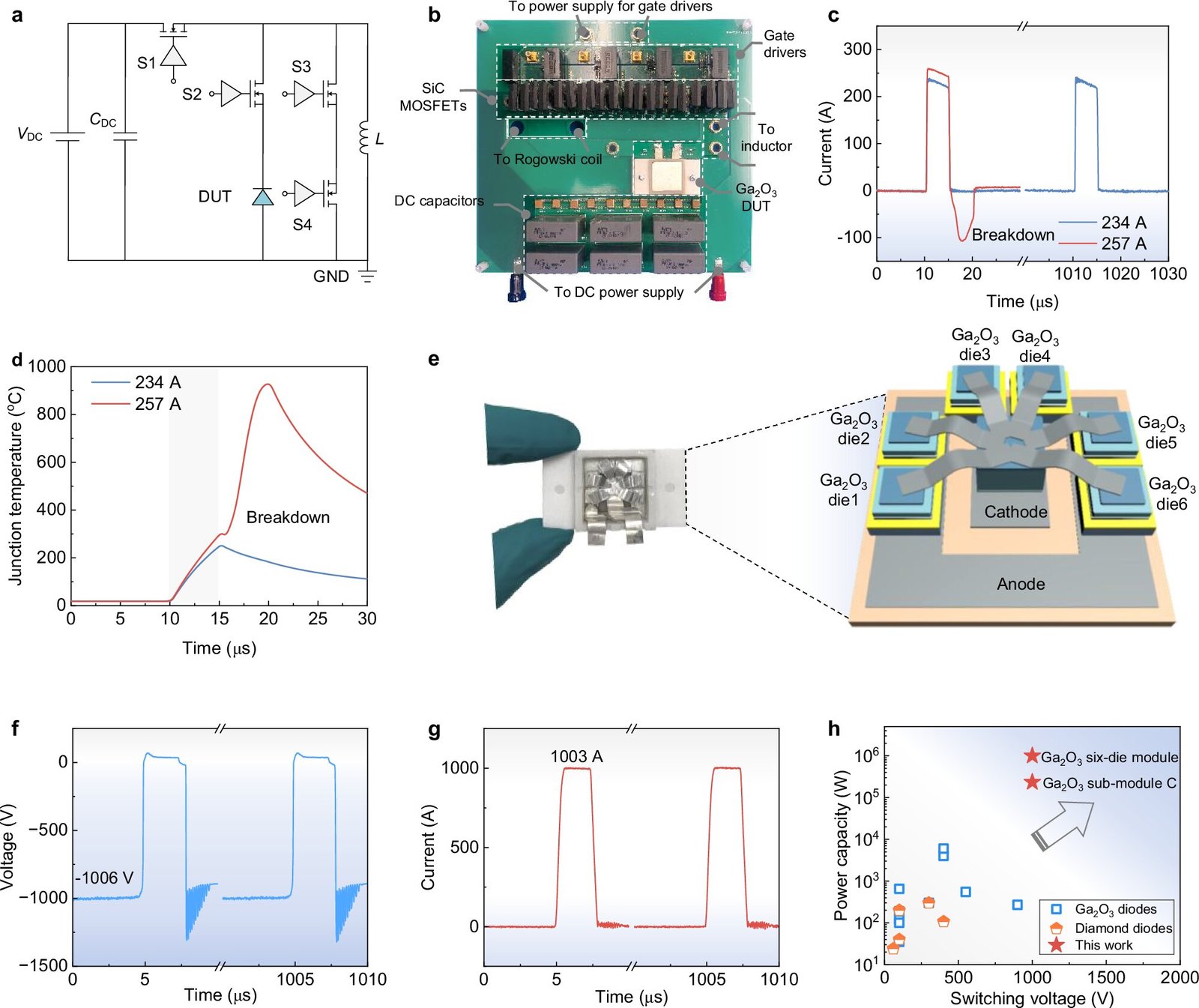
Engineers develop the world's first megawatt ultra-wide bandgap semiconductor module
New gallium oxide modules can now handle megawatt power, unlocking possibilities for more efficient and compact energy systems. This breakthrough overcomes previous heat and packaging limitations in ultra-wide bandgap semiconductors.